
Last updated November 25, 2026
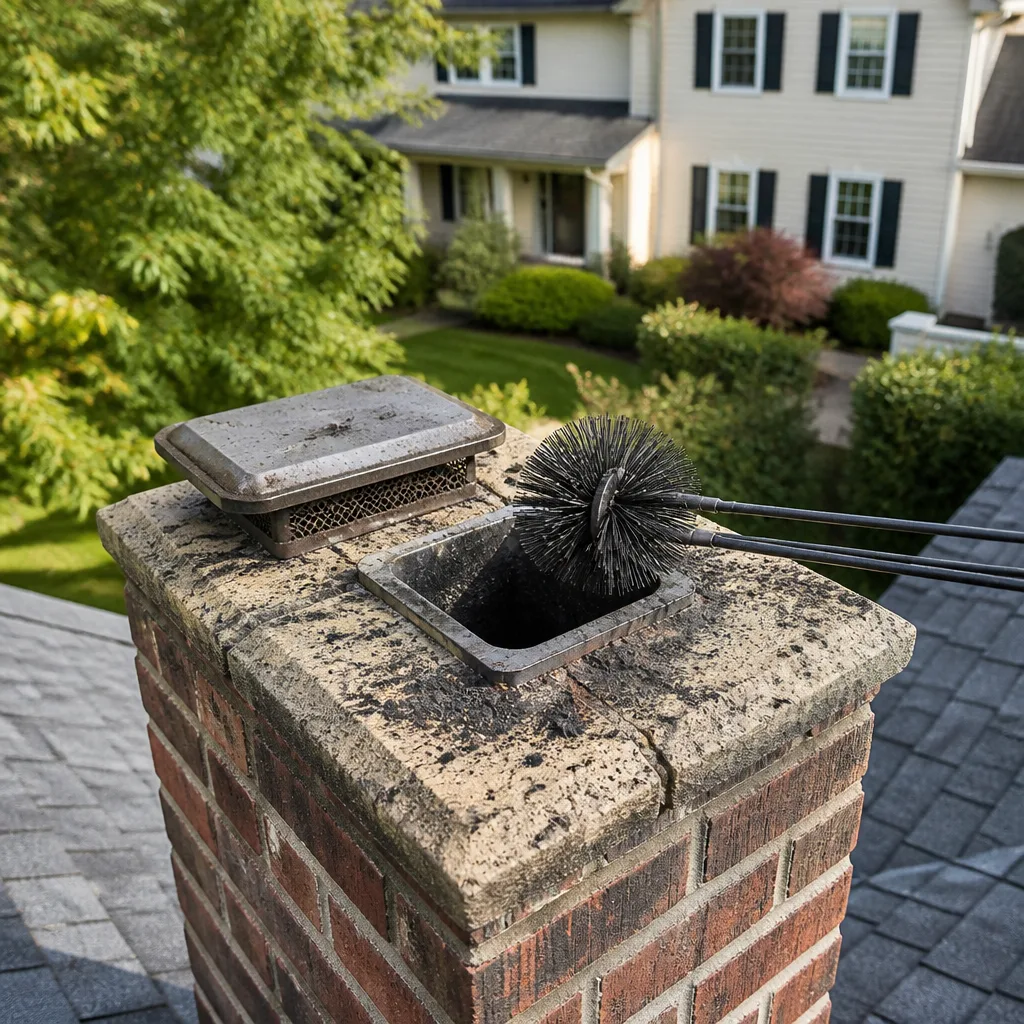 Sweep & inspection
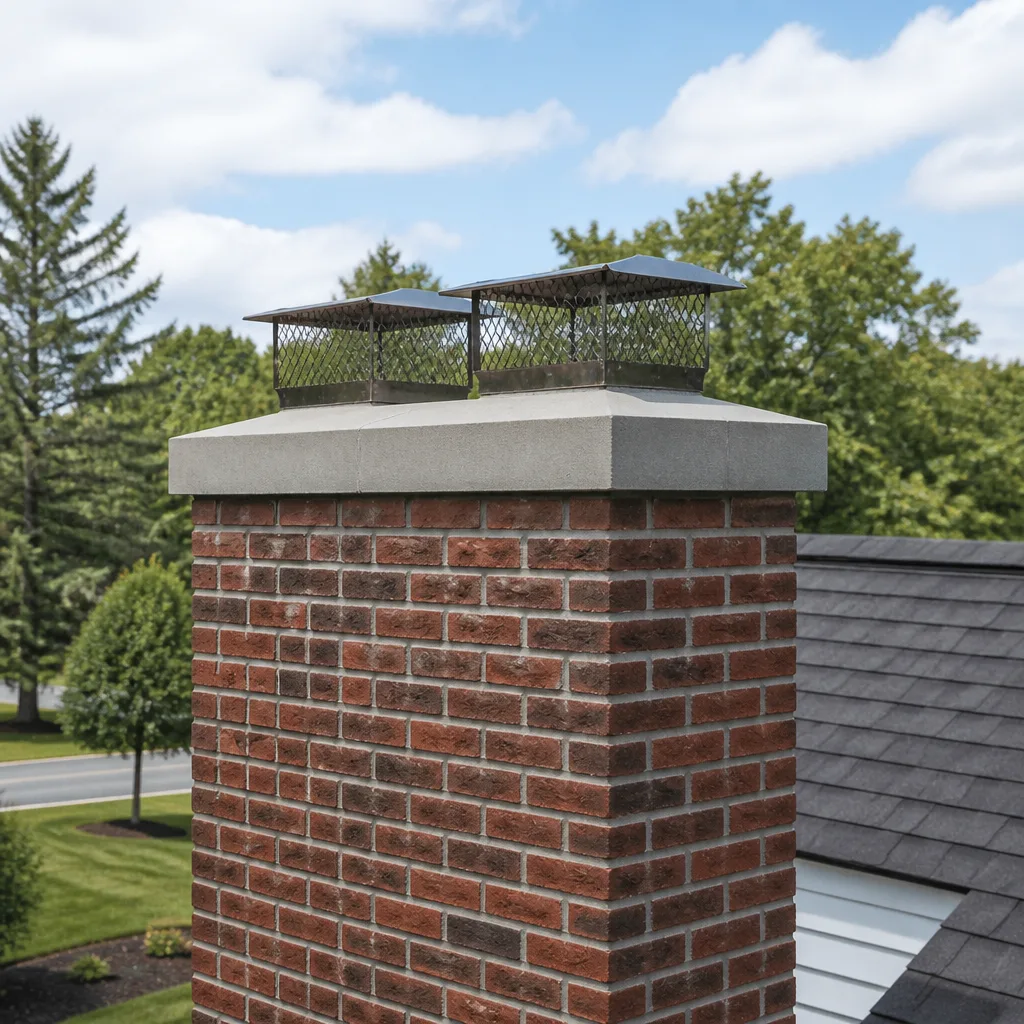 Caps & crowns
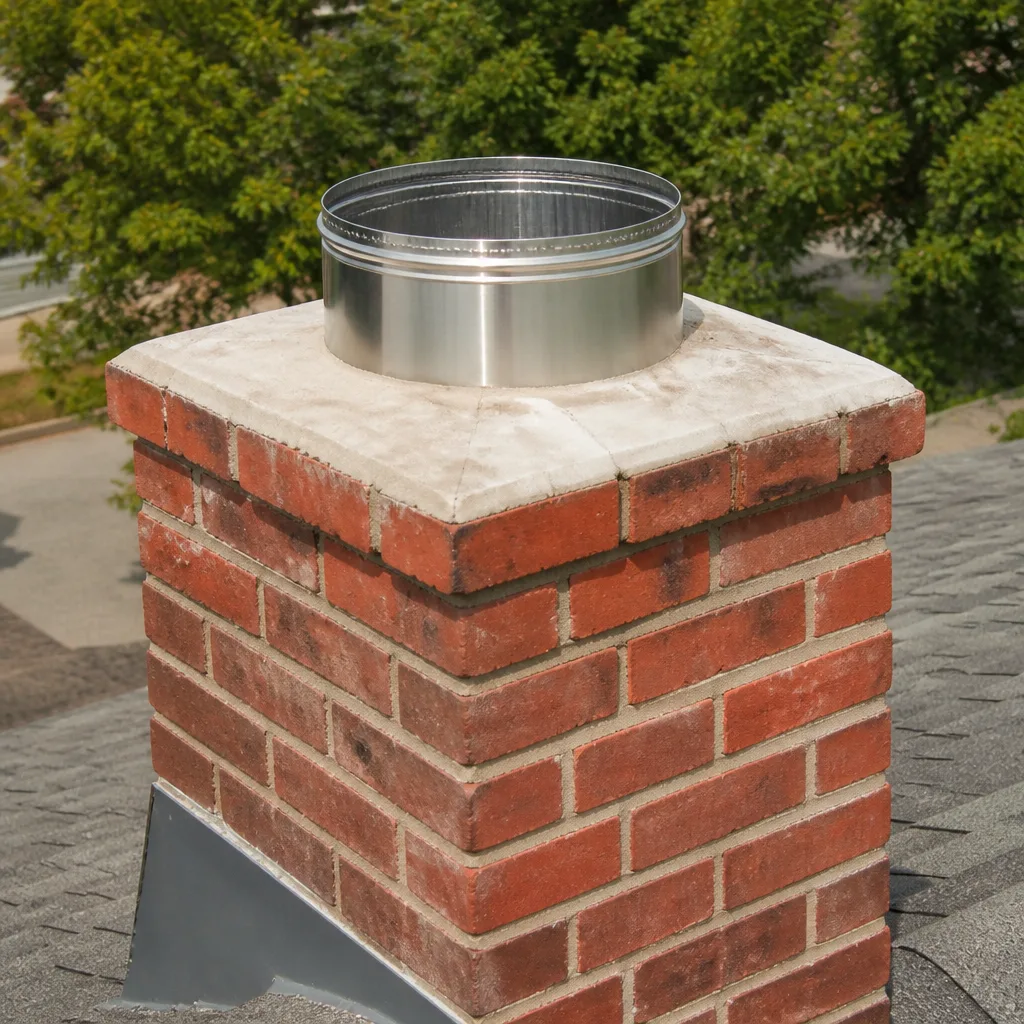 Flue relining
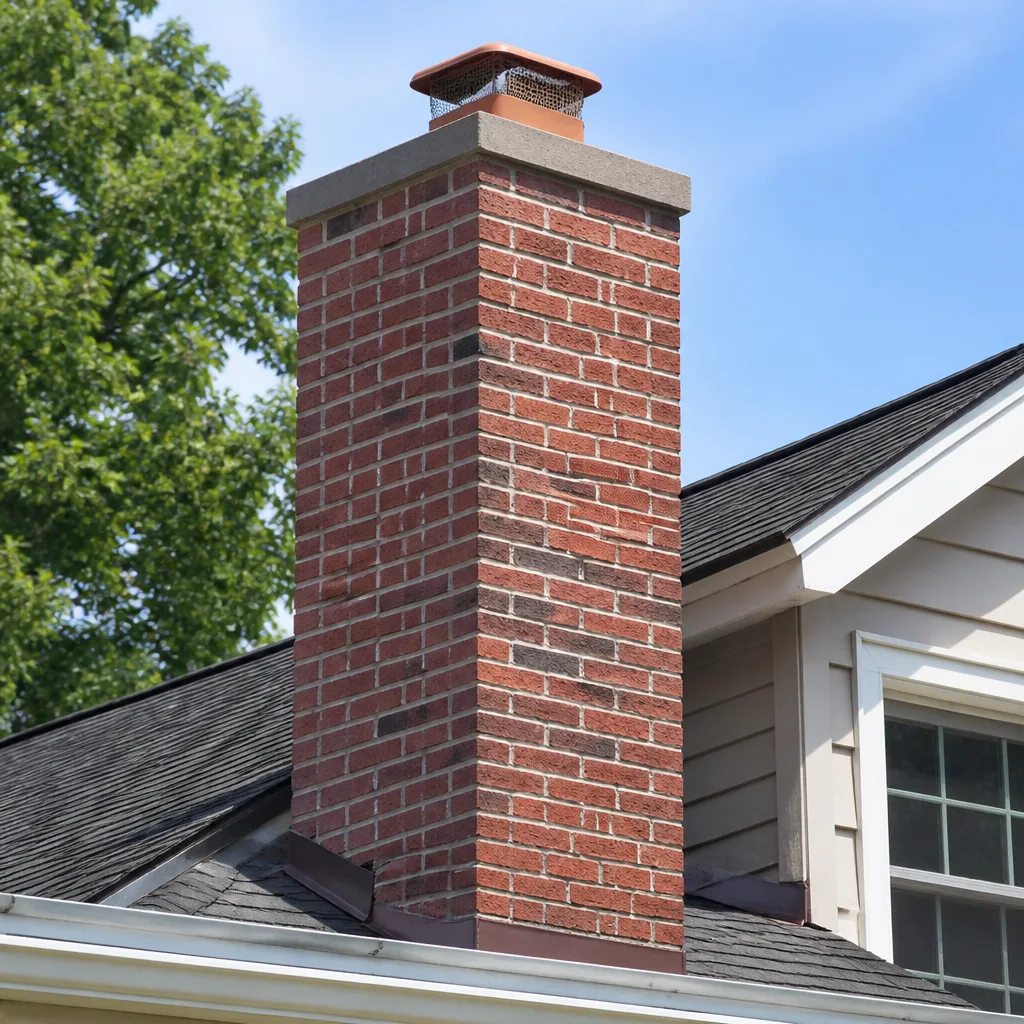 Masonry repair
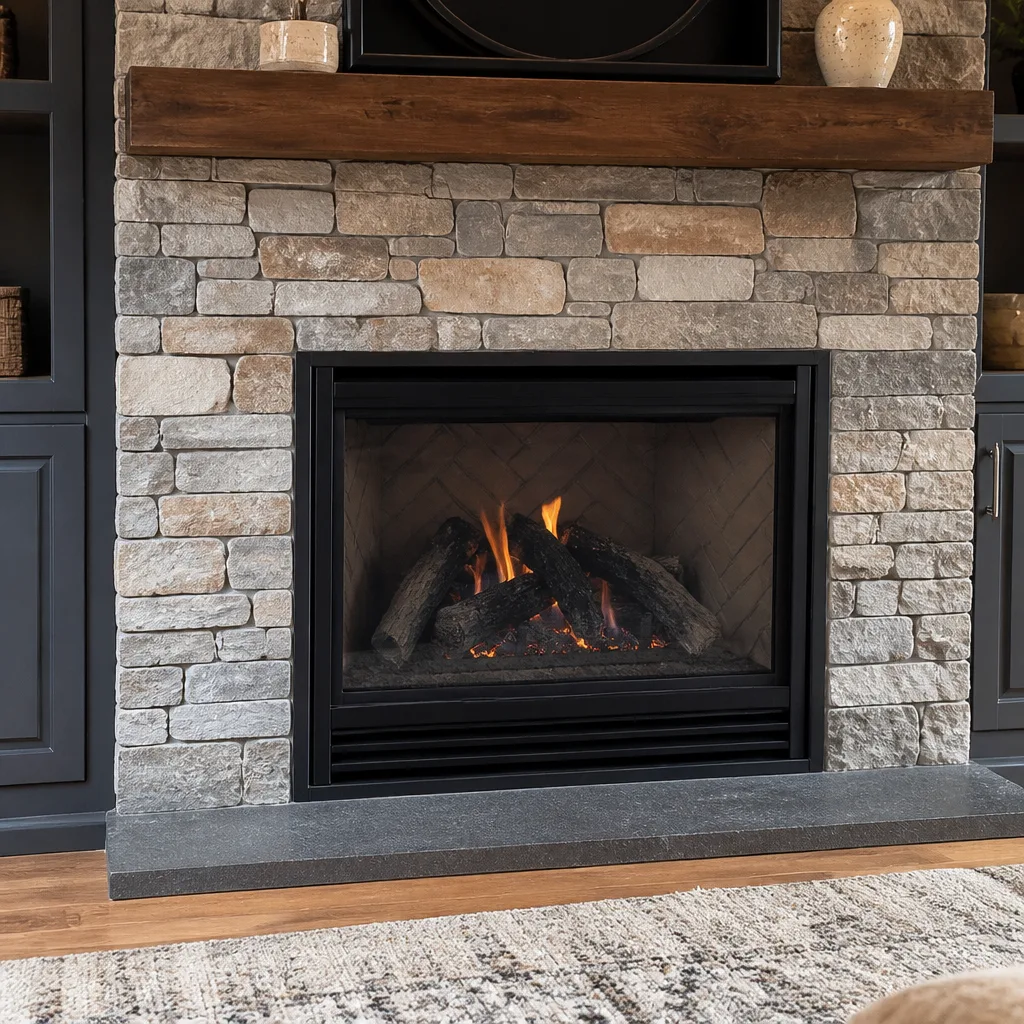 Gas fireplace service
Level 1 sweep and inspection to the NFPA 211 annual standard - flue, crown, cap, and flashing checked and photographed
Chimney sweep logs do not sweep chimneys. They loosen some creosote - which then falls where a brush and vacuum still have to collect it.
Chimney Cleaning Emergency Preparedness Guide for Wakefield Homes
A chimney fire doesn’t always announce itself with a roar. Some burn hot and loud, throwing sparks from the top of the stack. Others creep along inside the flue, slow and quiet, giving off nothing more than a faint acrid smell, a soft ticking as the metal or masonry expands, or a puff of smoke drifting from a seam that should be sealed. That second kind is the one that catches homeowners off guard, because the fireplace in front of them looks fine while the flue above it does not. In Wakefield, where the heating season runs long and most fireplaces see heavy use from October to March, the gap between “something feels wrong” and “I know exactly what to do” is where small problems turn into dangerous ones. This guide closes that gap before anything happens.
Quick Answer
A chimney emergency in Wakefield usually falls into one of three categories: an active chimney fire, a carbon monoxide event caused by a blocked or damaged flue, or a sudden structural failure like a cracked crown or a dislodged cap. For an active fire, call 911 first, then get everyone out of the house. For a suspected CO event, leave the building and call for help without waiting to confirm. For anything else, shut down the appliance, avoid lighting another fire, and book a professional inspection before the chimney goes back into service. Preparation, not panic, is what keeps a bad night from becoming a catastrophe.
Styles & brands we work with
- Sweep & inspection
- Caps & crowns
- Flue relining
- Masonry repair
- Gas fireplace service
Table of Contents
- Know the Signals: Is That a Chimney Fire or Normal Fireplace Noise?
- The Step-by-Step Response Protocol for a Chimney Fire
- Carbon Monoxide and Chimney Blockages in Wakefield Homes
- What to Have Ready When You Call
- After the Emergency: What Must Happen Before You Burn Again
- The Pre-Season Preparedness Checklist
- How Wakefield’s Winter Conditions Affect Chimney Risk
- Prevention: The Only Emergency You Want to Manage
Know the Signals: Is That a Chimney Fire or Normal Fireplace Noise?
A normal wood fire is never silent, and that’s the source of a lot of confusion. Wood pops, sap hisses, and a masonry chimney faintly ticks as it warms. Those are ordinary sounds. A chimney fire is different, and the difference usually shows up in one of five specific ways.
First, the sound. A chimney fire often produces a low, rumbling roar that resembles a distant train or a low-flying aircraft, and it doesn’t stop when the wood flares and settles. A crackling that continues long after the firebox has calmed is worth paying attention to. Second, the smell. A sharp, hot, metallic or tar-like odor in the room, distinct from the smell of burning wood, is a red flag. Third, visible smoke where it shouldn’t be: at the top of the firebox, around the damper, seeping from cracks in the masonry, or drifting back into the room despite an open flue.
Fourth, the temperatures and appearance. A stovepipe or chimney that’s glowing red, a flue that’s suddenly hotter than normal, or flames visible at the top of the stack are all serious. Fifth, and this is the one homeowners miss most often, the draft. A functional chimney pulls steady. If the fire suddenly starts pulling poorly, sputters, or smokes when it was burning fine minutes earlier, something is obstructing or disrupting the flue.
What all these signals have in common is that they happen inside the chimney, out of sight. This is why a camera inspection matters. Our technicians have up to 11 years of experience reading chimney damage, and we can tell a homeowner exactly what stage a flue is in before anything catches fire. If you’ve never had the inside of your chimney looked at with a camera, that’s the most useful thing you can do this season. You can book a chimney sweep as the first step toward knowing what you’re working with.
The Step-by-Step Response Protocol for a Chimney Fire
If you think the chimney is on fire, the order of what you do next matters more than the speed of any single action. Do these things in this order.
- Call 911 first, before anything else. Chimney fires can spread into the structure of a home with very little warning, and by the time the flames are visible from outside, the fire has often found a path through a cracked flue or into a joist space. The fire department needs to be on the way, even if the fire sounds like it’s calming down.
- Get everyone out of the house. Don’t stop to gather belongings. Move everyone, including pets, to a safe distance outside.
- Do not close the fire doors or damper as a first move. A functioning chimney is doing the job of venting and containing the combustion; closing it can force smoke and heat back into the room. If there are glass doors, closing them protects the room from sparks, but this is secondary to getting out.
- Do not throw water on the fire. Water on a hot chimney can crack masonry or the liner. A chimney is often 1,000 degrees Fahrenheit or more during a fire, and a shock of cold water is dangerous.
- Wait for the fire department outside. Don’t re-enter the home until a fire officer has cleared it. Even a small chimney fire can leave a flue in a condition that will feed fresh combustion as soon as you light the next fire.
After the fire, the chimney cannot be used again until it has been inspected by a qualified specialist. Any homeowner in Wakefield who has been through this will tell you the same thing: the fire department handles the emergency, but the chimney specialist is the one who tells you whether the chimney can ever be safely used again. That’s a separate, mandatory step, and it’s covered further down in this guide.
Carbon Monoxide and Chimney Blockages in Wakefield Homes
A chimney does two jobs, and only one of them involves fire. The other is carrying carbon monoxide and other combustion gases out of the house. When the flue is blocked, restricted, or leaking, those gases have somewhere to go. That somewhere is often back into the living space.
The tricky part is that CO is invisible and has no smell. You cannot detect it with your senses. But you can detect the conditions that cause it. Here’s what blocks a chimney in a Wakefield home and produces a CO risk:
- Bird and animal nests. Birds, squirrels, and raccoons find the open flue an attractive cavity. A nest is enough to reduce draft and push exhaust back into the room.
- Leaves and debris. Fall storms around Wakefield drop leaves that find their way onto the flue cap or into the chimney itself, especially on chimneys without a proper cap.
- Collapsed or damaged liner. Older masonry chimneys often have clay tile liners that crack, spall, or separate at the joints. Exhaust can leak through those cracks into the surrounding structure or the room.
- Soot and creosote buildup. A glazed layer of creosote narrows the flue and can block it entirely over time.
- Improperly sized flue. A flue that’s too large for a modern appliance cools too fast and produces a weak draft, which is a common cause of CO spillage in older homes with newer inserts.
Your first line of defense is a working CO alarm on every level of the home, and especially in a bedroom hallway near the fireplace. Your second line is an annual chimney inspection. The inspection catches the nest, the cracked liner, and the creosote layer before they become a CO event. Our team works with professional-grade liner materials like DuraFlex and HeatShield when a liner needs to be relined or resurfaced, so the repair restores the venting path, not just the appearance of the chimney. A proper chimney repair is often what stands between a homeowner and a CO event, and it’s worth doing before the cold sets in.
What to Have Ready When You Call
When you’re on the phone with 911 or with a chimney specialist, the person on the other end needs specific facts fast. Having these ready saves minutes that matter. Write them down now and keep the list on the refrigerator, in the same drawer as the flashlight and the extra batteries.
- Appliance type. Wood-burning fireplace, wood stove, gas insert, gas log set, or pellet stove. Each vents differently and each behaves differently in a fire. The fire department and the chimney specialist both need to know.
- Fuel used. Seasoned hardwood, softwood, pellets, gas, or a mix. Creosote deposits and burn temperatures vary by fuel, and the post-incident assessment starts with that information.
- Last service date. The month and year the chimney was last swept or inspected. If you don’t know, say so. “Never inspected” is also useful information.
- Observed symptoms. What you heard, saw, or smelled, and when. “Roaring sound three minutes ago, smoke coming from the damper” is more useful than “the chimney seems weird.”
- Number of people and pets in the home. Anyone with respiratory issues or mobility limitations should be flagged.
- Address and nearest cross street. In Wakefield, some properties sit back off the road, and emergency responders need clear directions.
- Whether a CO alarm is sounding. If it is, the situation is a carbon monoxide event first, a chimney event second.
When you call us, having this list ready means we can book the right service without a round of questions. Call (855) 337-2076. We answer 24/7. Fast dispatch from 7am to 7pm, Sunday through Friday.
After the Emergency: What Must Happen Before You Burn Again
Here’s the point most homeowners don’t fully understand: the fire department putting out the fire is not the end of the emergency. It’s the start of the recovery phase, and a chimney that has had a fire inside it cannot be treated as safe until it has been properly assessed.
A chimney fire can do damage you cannot see from the ground. It can crack clay tiles, warp a stainless liner, open mortar joints, distort a damper, and compromise the crown at the top of the stack. In some cases the damage is severe enough that the chimney is no longer safe to use at all. The only way to know is a Level 2 inspection, which is the standard inspection that includes a camera run through the full length of the flue and a look at accessible portions of the chimney structure.
The post-fire assessment covers these items, at a minimum:
- The full length of the flue, viewed on camera, to find cracks, separation, and liner distortion.
- The firebox and damper, looking for warping, spalling, and joint failure.
- The smoke chamber and smoke shelf, where creosote often concentrates and where fire damage hides.
- The crown and chase cover, checking for cracks that will let water in during the next freeze-thaw cycle.
- The cap and spark arrestor, since these are often damaged or dislodged by heat and debris.
Insurance documentation matters at this stage, and it’s the piece homeowners most often forget. Save the fire department report, the inspection report with photos, and any written estimate for repair. Most insurers want the documentation trail before they’ll process a claim, and a proper chimney specialist will produce a written report with photos that a claims adjuster can use. Our team works with product lines like HeatShield for liner resurfacing, Olympia Chimney and Gelco for caps and crowns, and DuraFlex for liner replacement, so a post-fire repair is usually a single project rather than a series of subcontracted parts. Whatever the assessment finds, don’t relight the fireplace until you have the inspection report in hand.
The Pre-Season Preparedness Checklist
The best emergency response is the one you never need. This checklist is what we walk Wakefield homeowners through before the first cold snap. It takes about twenty minutes to run through, and it’s the difference between a chimney that’s ready for the season and one that’s quietly waiting to cause a problem.
- Book an annual chimney inspection. A proper inspection is a standalone service, not an add-on to a sweep. It’s the single most important step.
- Get the chimney swept if the inspection calls for it. Creosote buildup is the fuel source for most chimney fires. A chimney cap & crown check is part of the same visit.
- Verify the cap is in place. A cap keeps out rain, birds, squirrels, leaves, and debris. A missing or damaged cap is the most common cause of a blocked flue.
- Test every smoke alarm and CO alarm in the home. Replace batteries. Make sure there’s a CO alarm on every sleeping level.
- Check your firewood. Seasoned hardwood, split and dried, burns cleaner than green wood. Wet wood produces more creosote, and more creosote is more fire risk.
- Look at the crown from the ground with binoculars. Cracks in the crown let water in, and water that freezes splits the masonry. This is a Wakefield-specific concern because of the freeze-thaw cycling our winters produce.
- Write down your emergency information. Appliance type, last service date, fuel, address, and your chimney specialist’s number on the refrigerator.
- Keep a fire extinguisher near the fireplace. Know how to use it, and check the pressure gauge once a season.
Every item on this list is designed to remove a variable. A chimney has enough complexity built into it without adding a missing cap or a dead CO alarm.
How Wakefield’s Winter Conditions Affect Chimney Risk
Wakefield’s climate puts an unusual amount of stress on a chimney. Long heating seasons mean the fireplace runs for months, and the cumulative creosote layer that builds up by February is far more than a homeowner in a mild climate will ever produce. More burning means more buildup, and more buildup means more fuel for a chimney fire.
The freeze-thaw cycle is the other factor. Water that gets into cracks in the crown, the mortar, or the brick expands as it freezes, and each freeze widens the crack. Over a winter, a hairline crack becomes a path for water to reach the interior of the masonry. That’s why the crown and cap get checked on every inspection, not just when a homeowner notices a problem. The crown is the chimney’s roof. When it fails, everything underneath it eventually follows.
Draft is also affected by winter conditions. Cold outdoor air is denser than warm indoor air, which normally helps a chimney draw well. But that depends on a clear flue and a properly sized liner. When the flue is obstructed, the cold weather that should help draft can instead push exhaust back into the home. That’s one more reason an inspection before the first fire of the season matters more in Wakefield than in a warmer area.
Our team is focused on chimneys and fireplaces full-time, from the flue to the crown. We don’t do roofing, plumbing, or general handyman work. When we inspect a Wakefield chimney, we’re looking at a single system and how its parts work together, and that focus is why we catch problems a general contractor would walk right past. For the full range of services, visit Wakefield Chimney Sweep Pros.
Prevention: The Only Emergency You Want to Manage
There’s a reason this guide has spent most of its length on preparation rather than response. Once a chimney fire or a CO event is underway, your options shrink to a handful of steps that either work or don’t. Before it happens, your options are wide open, and almost every one of them prevents the event in the first place.
The four pillars of prevention are simple. First, annual inspection. Second, sweeping when the inspection shows it’s needed. Third, a functional cap and crown. Fourth, an intact liner. Every one of those is something a chimney specialist can handle in one visit, and every one of them closes off a path to a fire or a CO event. If you haven’t had an inspection this season, that single appointment is the highest-value thing you can do for your home this winter.
Common Mistakes to Avoid
- Assuming a quiet chimney means a safe chimney. Slow-burning chimney fires produce almost no sound. The absence of a roar is not the presence of safety.
- Relighting the fireplace after a fire without an inspection. A cracked liner or a distorted damper can turn the next fire into a far worse event. Wait for the Level 2 report.
- Relying on a chimney sweeping alone and skipping the inspection. A sweep removes soot; it doesn’t tell you whether the liner, crown, or flue structure is sound. The inspection is the diagnostic step.
- Using a cap that doesn’t fit or is missing. A cheap, improperly sized cap is one of the most common causes of a blocked flue in Wakefield homes. A proper Gelco, Famco, or Olympia cap matters.
- Burning green or unseasoned wood. It produces more creosote and more risk. Seasoned hardwood, split and air-dried, is the fuel a chimney is designed to handle.
- Skipping the CO alarm test. Carbon monoxide is invisible, so the alarm is your only early warning. Test it every season and replace the batteries.
- Waiting until the first cold snap to call. Every homeowner in Wakefield wants the chimney looked at in the same week. Schedule the inspection in late summer or early fall when a proper assessment is possible without a wait.
See the difference
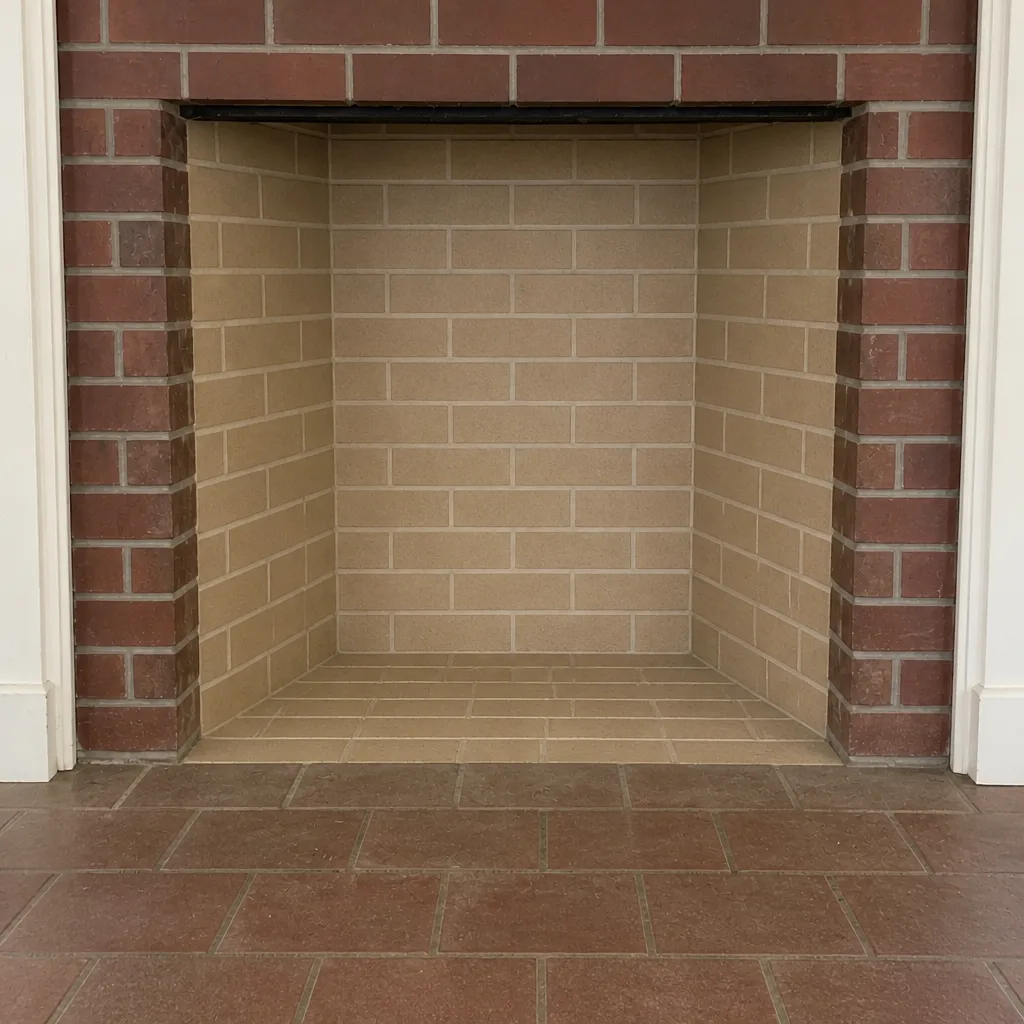
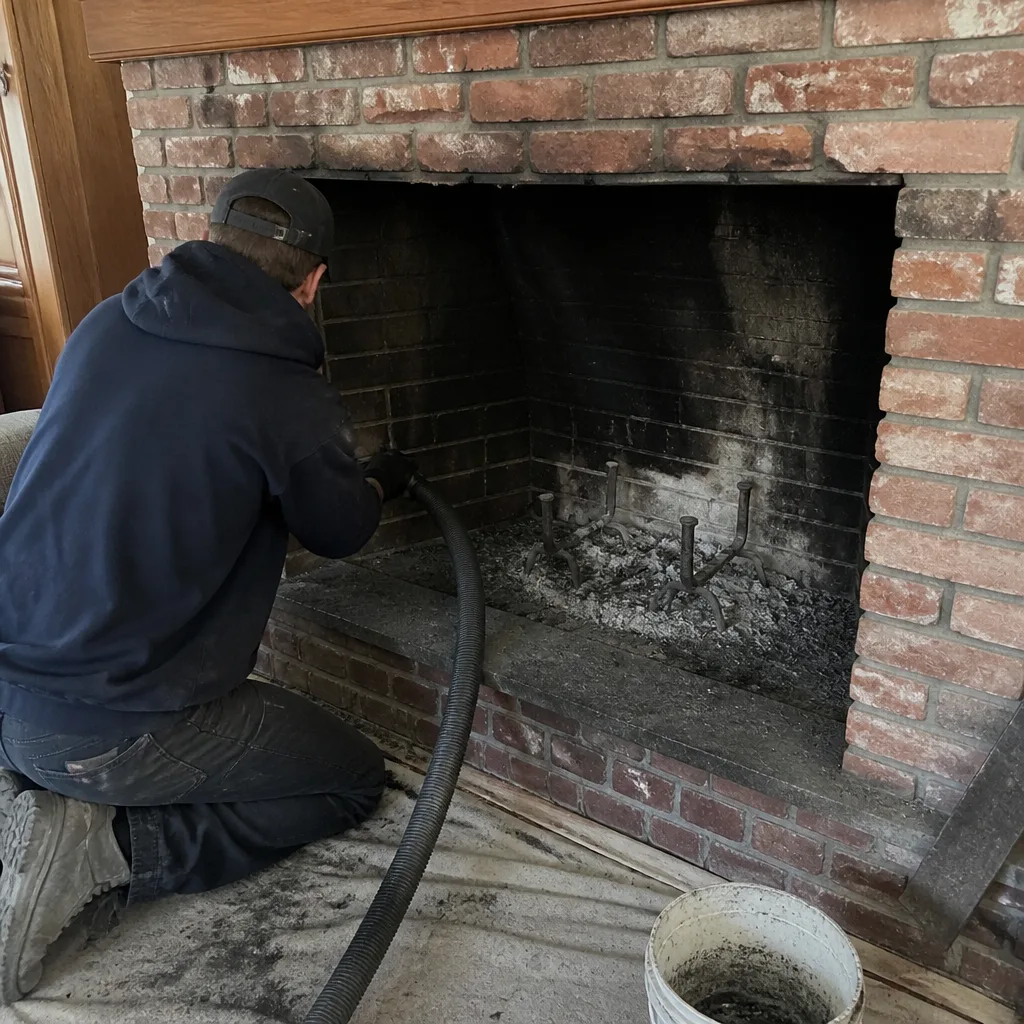 Before
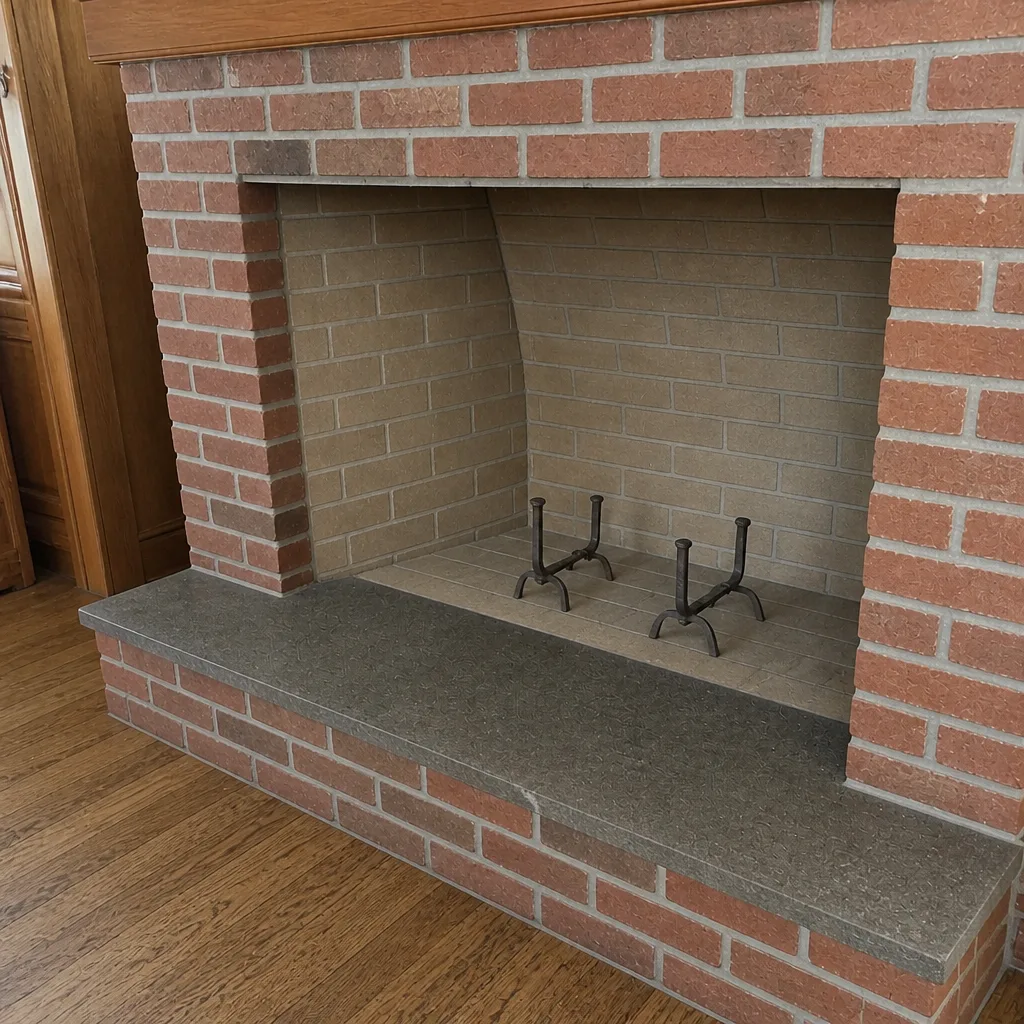 After
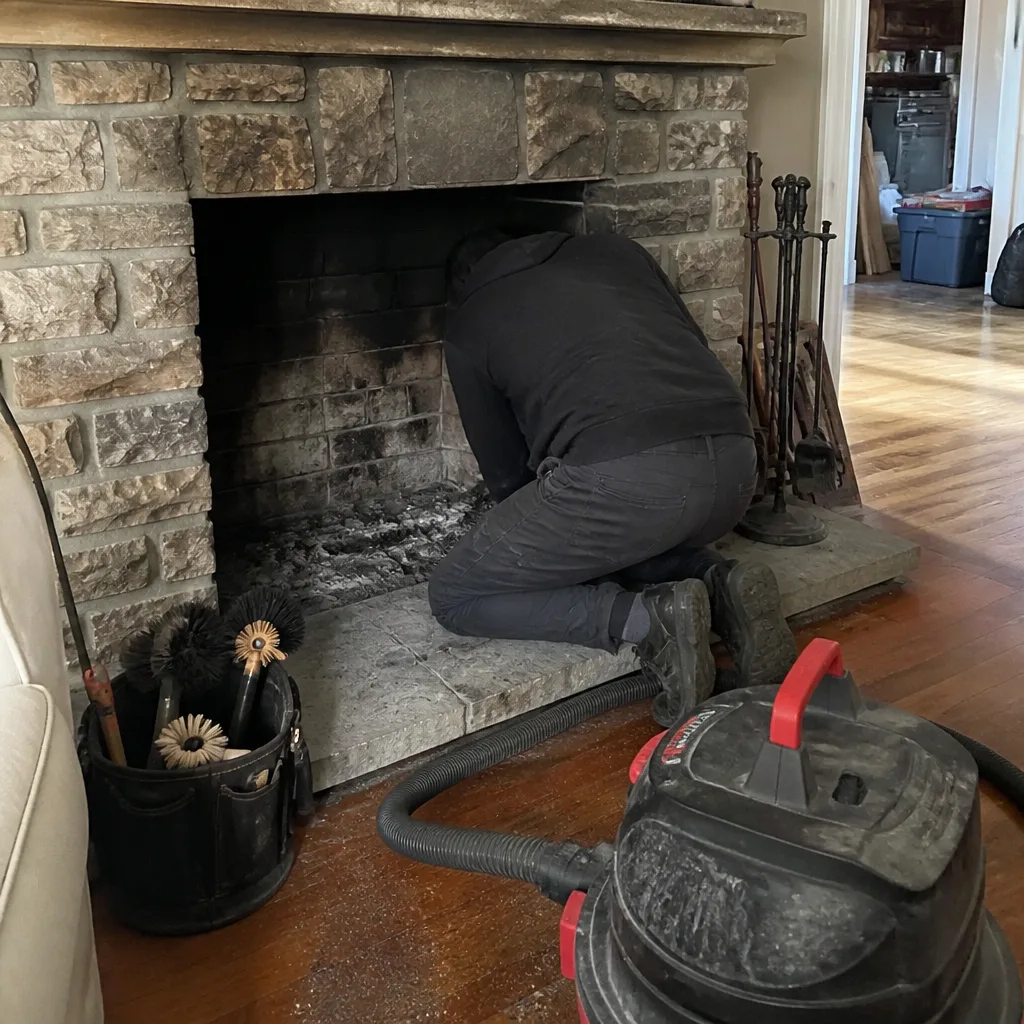
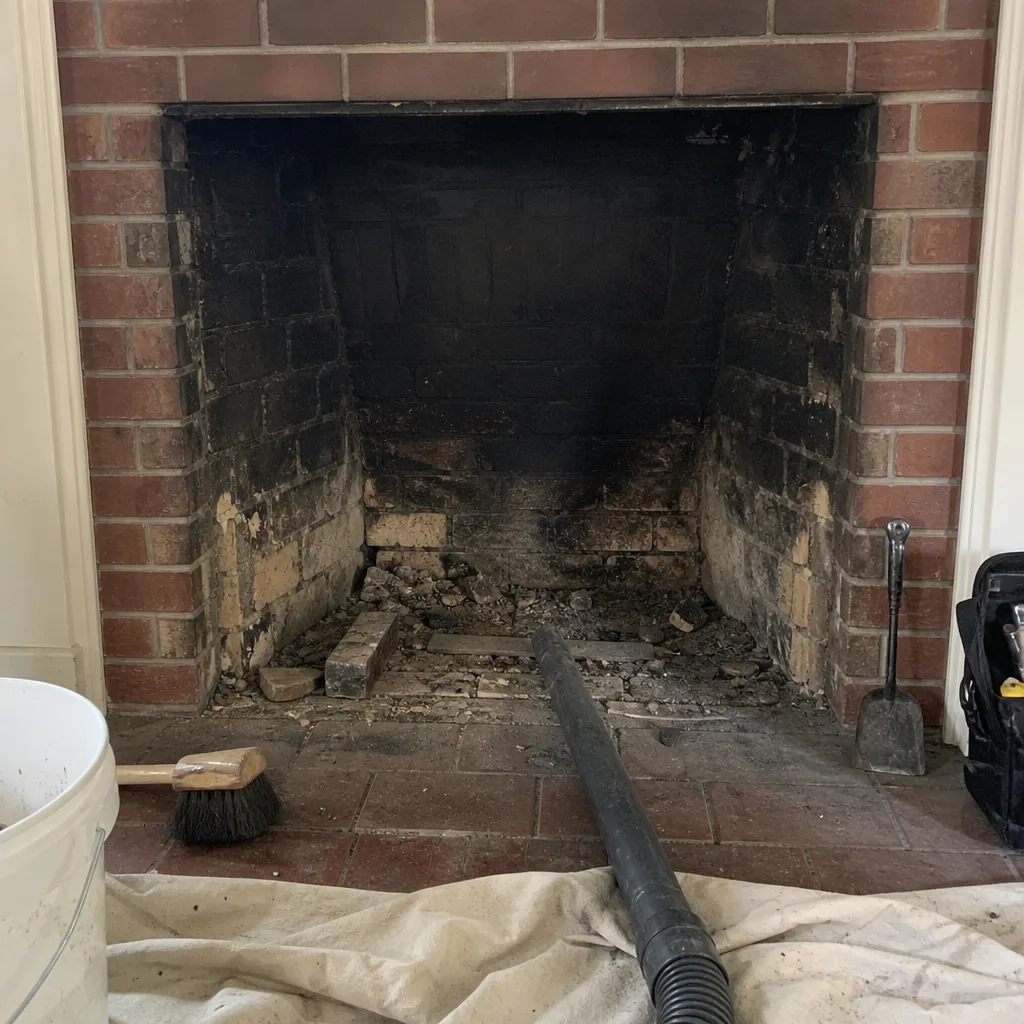 Before
 After
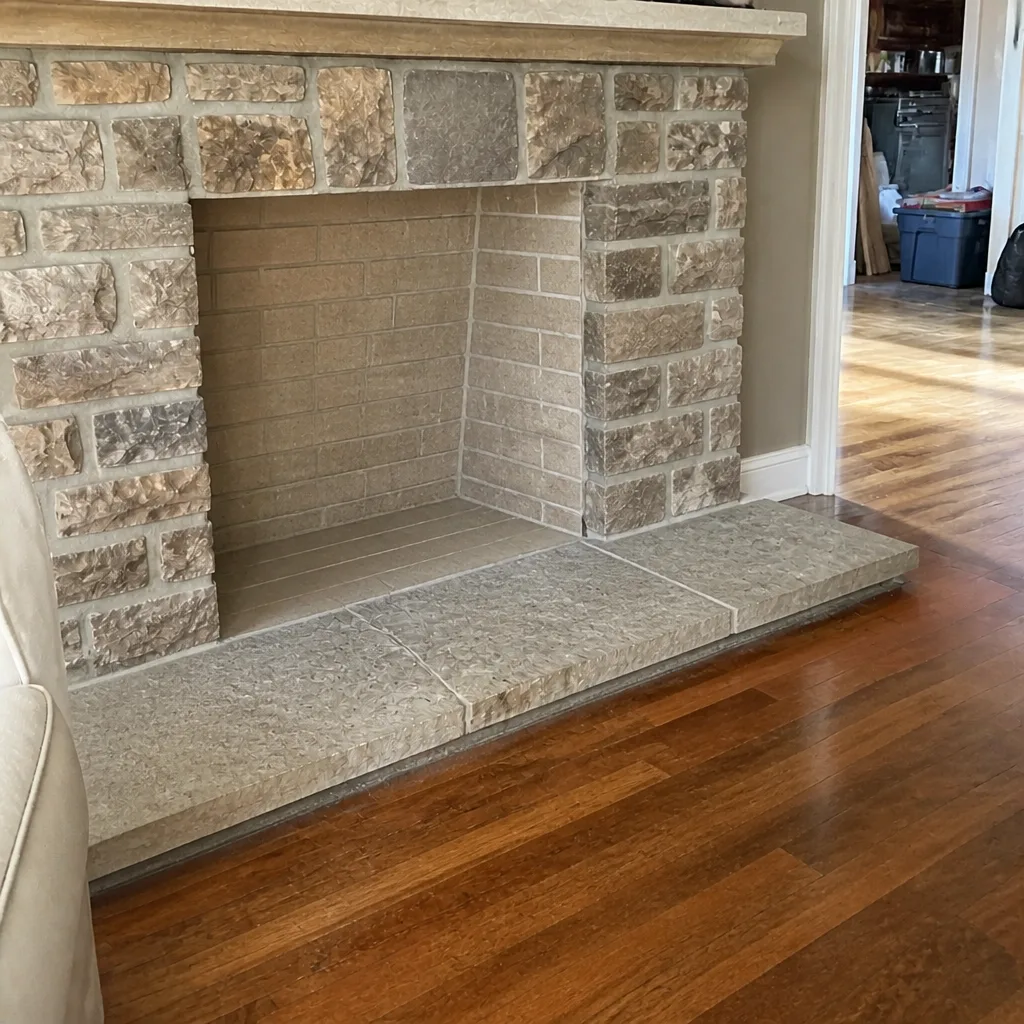
 Before
 After
When to Call a Professional
Call a professional if you’ve had a chimney fire of any size, if a CO alarm has ever sounded, if the fireplace smokes when it used to draft well, if you’ve noticed water stains on the ceiling near the chimney, if the crown has visible cracks, or if the chimney hasn’t been inspected in more than a year. If you’re unsure whether what you saw or heard qualifies as an emergency, err toward the inspection. There’s no downside to being told the chimney is fine. There’s a real downside to finding out the hard way that it wasn’t.
Wakefield Chimney Sweep Pros offers free estimates in Wakefield – call (855) 337-2076. Our technicians have up to 11 years of experience with chimney systems, and we inspect first and recommend second. Nothing gets suggested without evidence you can see for yourself, and we’ll tell you plainly when a repair can safely wait for another season. Visit chimney repair to see what we can handle, or call to book an inspection and get the answer to what’s actually going on inside your chimney.
Frequently Asked Questions
The most reliable signs are a low roaring sound that doesn’t stop, a hot metallic or tar-like smell, smoke escaping at the damper or through masonry cracks, and visible flames at the top of the stack. A stovepipe or chimney glowing red is a serious sign. If any of these are present, call 911 first, then get everyone out of the house and wait for the fire department. Call (855) 337-2076 for a post-fire inspection once the fire is out – estimates are free.
Yes. A chimney venting a gas appliance, an oil furnace, or even a wood fire carries carbon monoxide and other combustion gases out of the home. A bird nest, debris, a collapsed liner, or heavy creosote can block that path and push exhaust back inside. That’s why every Wakefield home with a chimney should have a working CO alarm on every level and an annual chimney inspection. If your CO alarm has sounded, leave the building and call for help before doing anything else. Call us at (855) 337-2076 to book a camera inspection – estimates are free.
A liner is only recommended when the existing one can’t safely carry exhaust anymore, usually because it’s cracked, spalling, separated at the joints, or the wrong size for the appliance. We show the camera footage before recommending anything, so you can see the condition yourself. Sometimes the fix is HeatShield liner resurfacing rather than a full DuraFlex replacement, and sometimes no liner work is needed at all. Call (855) 337-2076 for a no-pressure estimate and let the camera tell the story.
The standard answer is once per year or after roughly a cord of wood, whichever comes first. In Wakefield, where the heating season is long and many homes burn heavily, an annual sweep and inspection before the season starts is the practical target. If you have a gas appliance, the sweep interval may be longer, but the annual inspection still applies. Call (855) 337-2076 to book a sweep and inspection – estimates are free.
You lose the chance to catch the problems that cause fires and CO events before they happen. A cracked liner, a damaged crown, and a blocked flue all develop quietly, and none of them show up on their own. Skipping an inspection doesn’t make the risk go away; it just means you find out when the problem shows up as an emergency. Call (855) 337-2076 and book an inspection – estimates are free.
Not until a qualified specialist has inspected it and cleared it for use. A post-fire Level 2 inspection checks the full length of the flue on camera, the firebox, the smoke chamber, the crown, and the cap. Only after that report should you consider relighting. Our team handles post-fire assessment and repair as one project, from inspection to cap and crown, and we produce the documentation your insurer will want. Call (855) 337-2076 to schedule the inspection – estimates are free.
The Bottom Line
The real emergency-preparedness work is done in advance, not in the moment. Know the signals of a chimney fire, because some burn quietly. Have your appliance type, fuel, and last service date written down where you can grab them. Install and test CO alarms on every level. And book an annual inspection so the liner, crown, and flue are checked before the season starts. In Wakefield, where the heating season runs long and the freeze-thaw cycle works on every crown and joint, that preparation is the difference between a routine check and an emergency. Our technicians have up to 11 years of experience, and we’re chimney-only specialists – inspect first, recommend second, and tell you when a repair can wait.
Call Wakefield Chimney Sweep Pros at (855) 337-2076 for a free estimate. We answer 24/7. Fast dispatch from 7am to 7pm, Sunday through Friday. We’re closed on Saturday.
Written by the team at Wakefield Chimney Sweep Pros.