
Last updated November 25, 2026
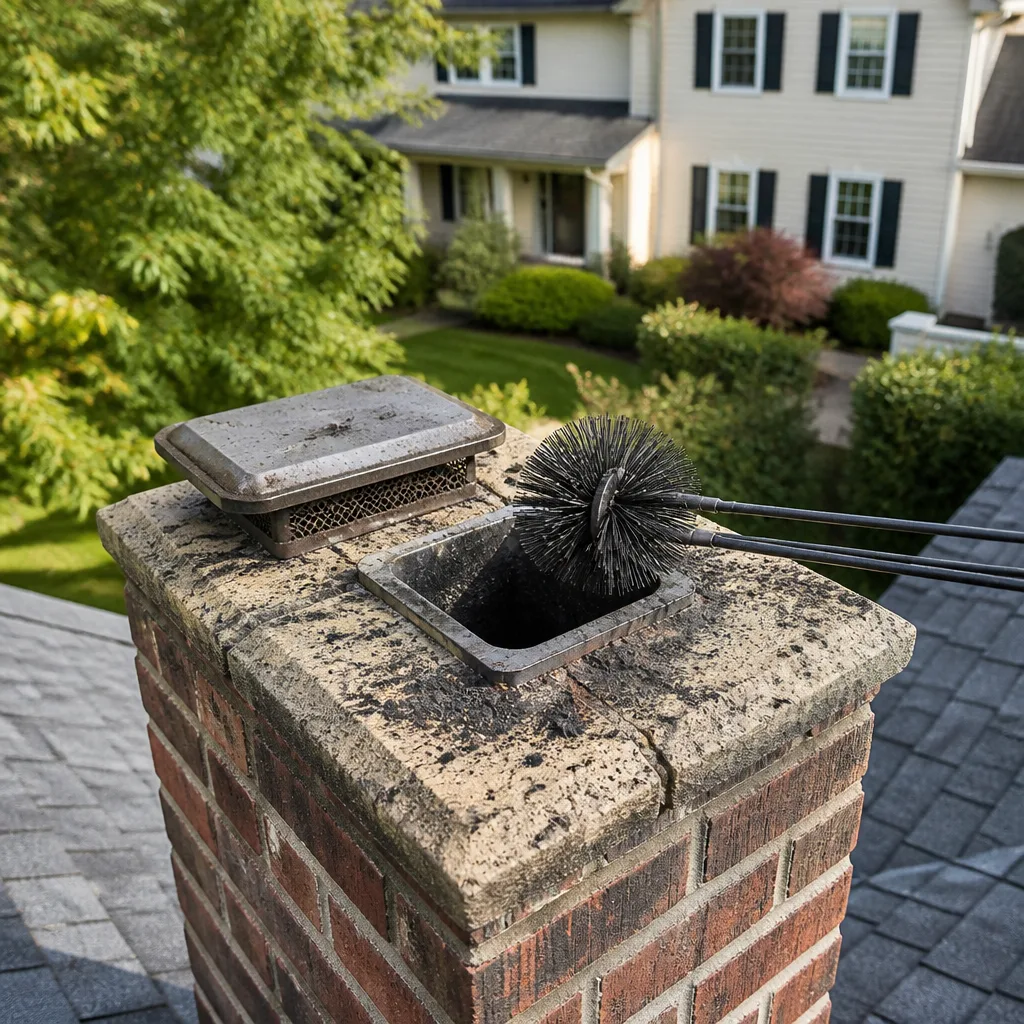 Sweep & inspection
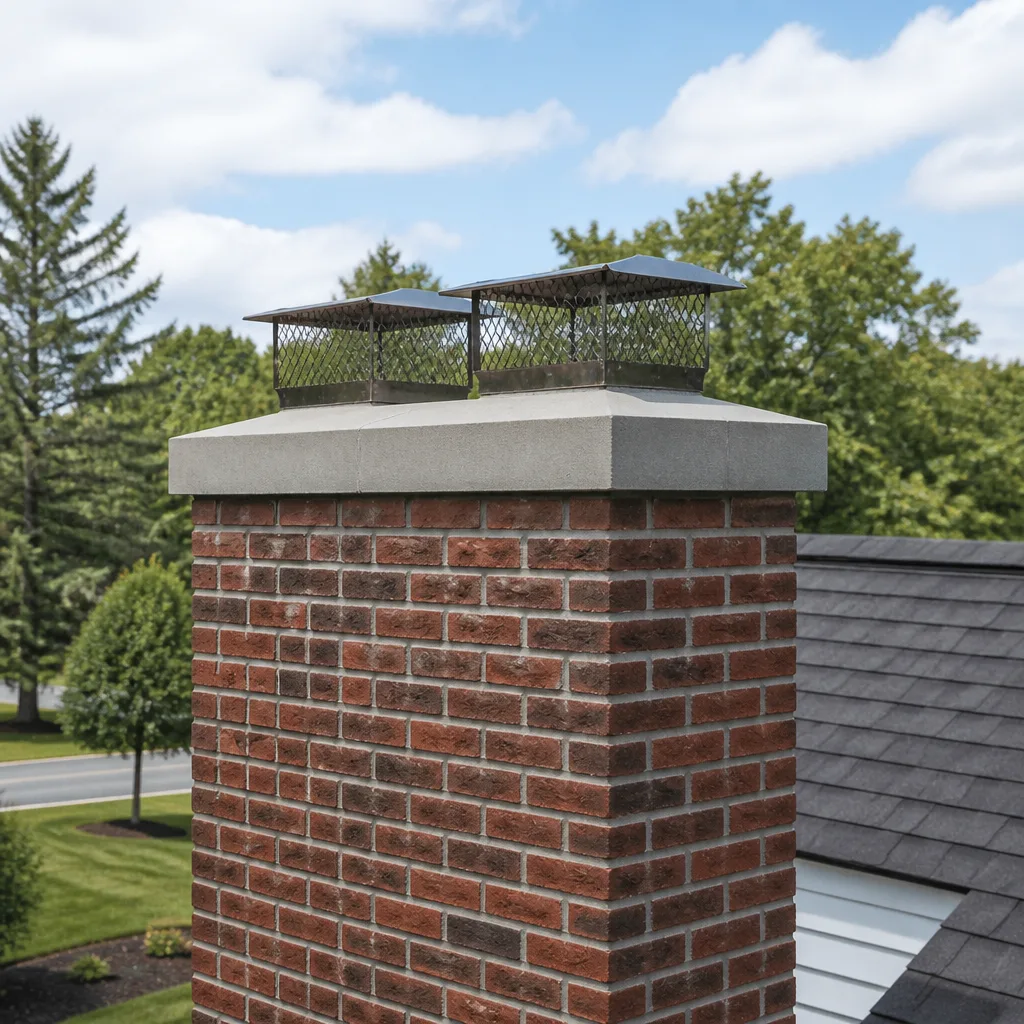 Caps & crowns
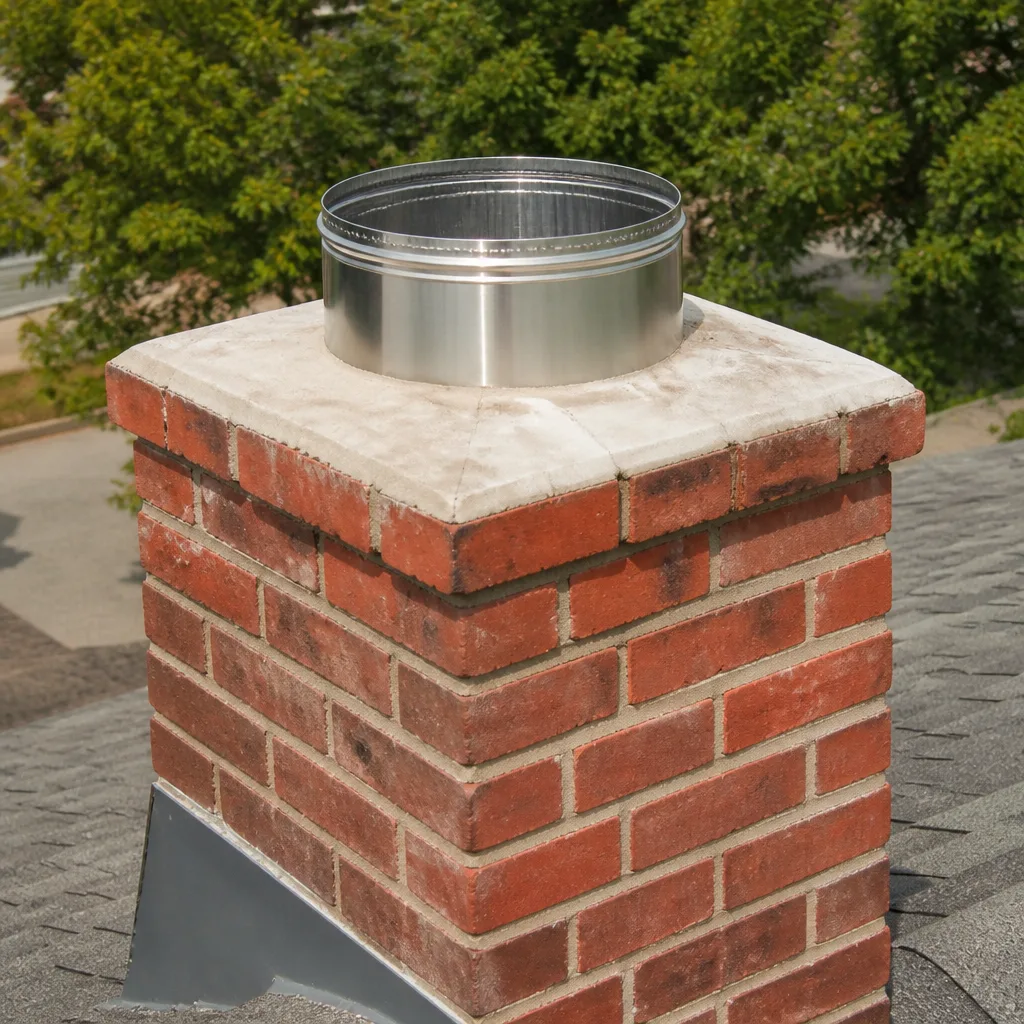 Flue relining
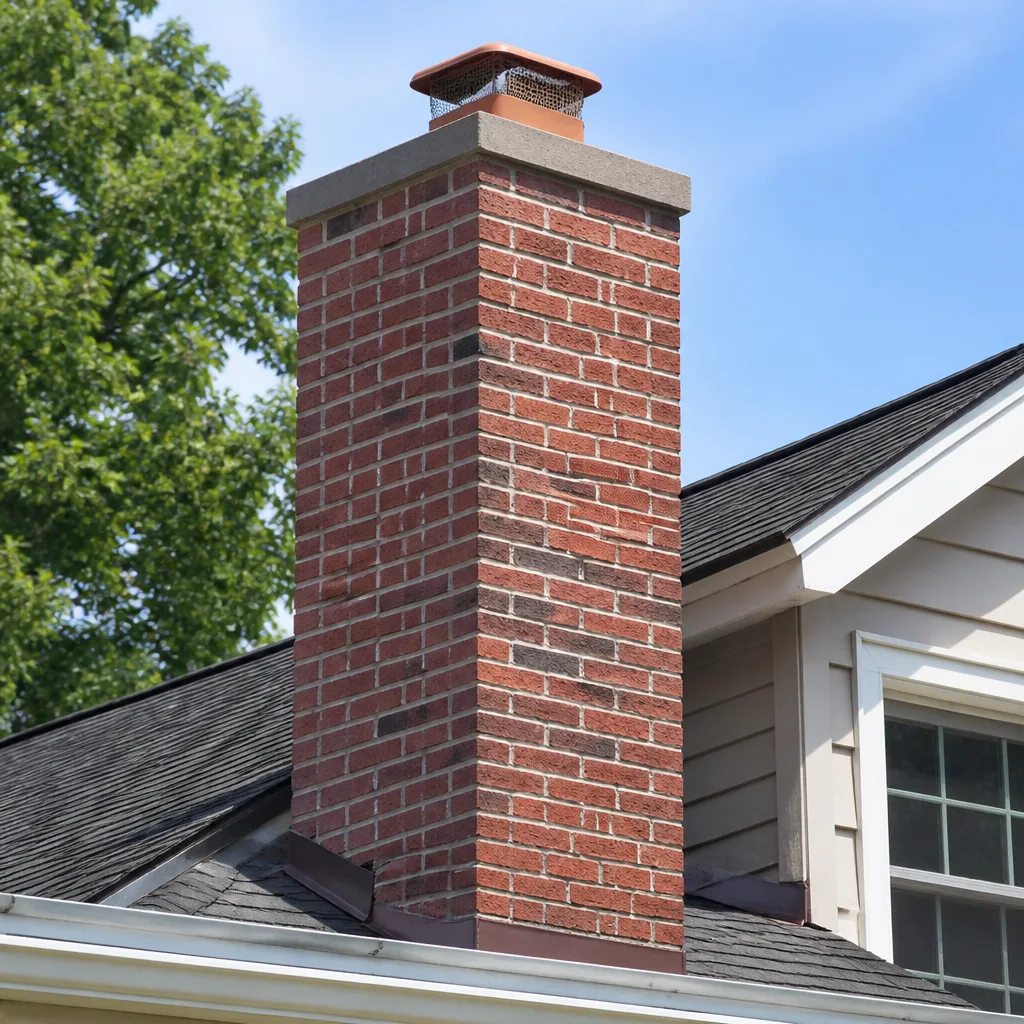 Masonry repair
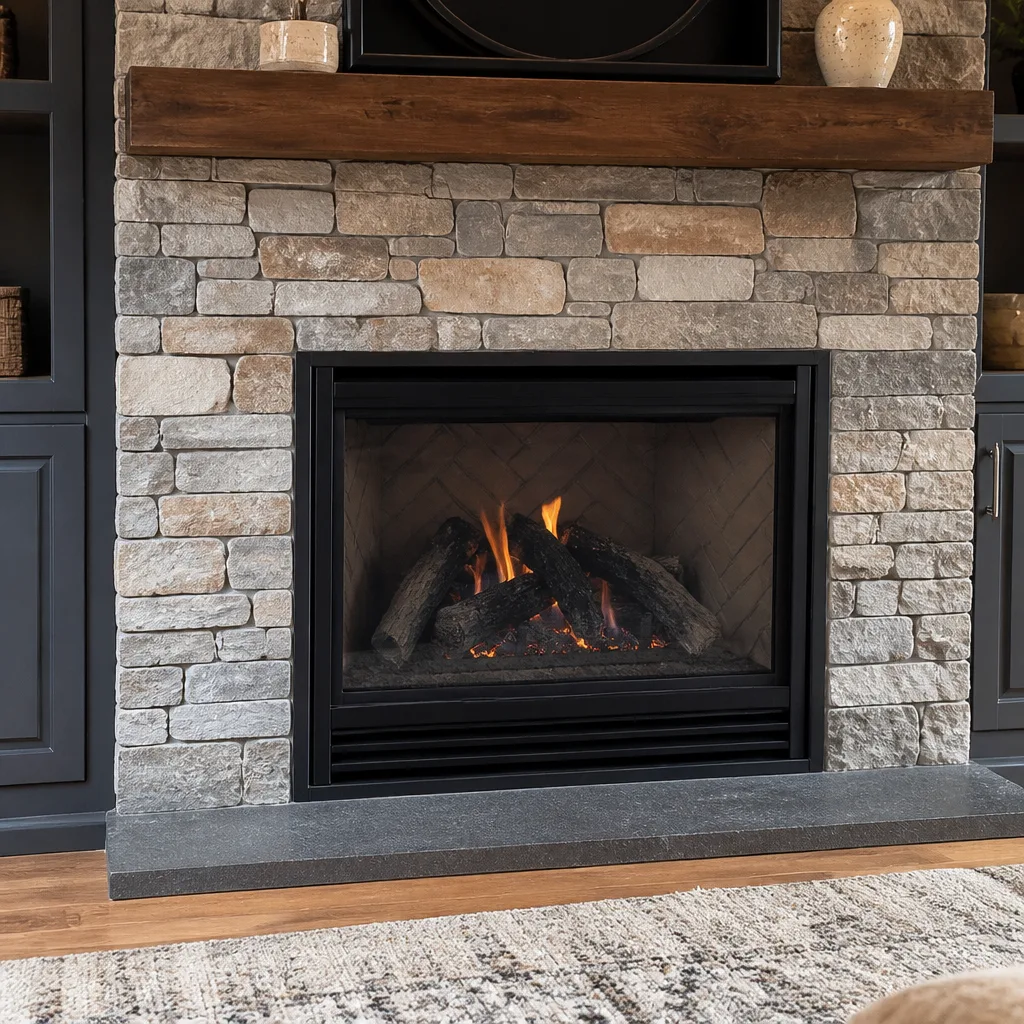 Gas fireplace service
Level 1 sweep and inspection to the NFPA 211 annual standard - flue, crown, cap, and flashing checked and photographed
Chimney sweep logs do not sweep chimneys. They loosen some creosote - which then falls where a brush and vacuum still have to collect it.
Chimney Cleaning Permits, Codes & Inspections in Wakefield, NY: What You Need to Know
If a contractor replaced your liner or relined your flue without pulling a permit, your homeowner’s insurance may deny a fire-related claim – and you won’t find that out until you file one. That’s the gap most homeowners never see: the cleaning gets done, the work looks finished, and the paperwork that proves it was done legally never exists. Here in Wakefield, sitting right on the New York City line, two different code environments overlap, and that makes the permit question more relevant than most residents realize. This guide draws the exact line between permit-free maintenance and permitted work, explains what inspectors actually look for, and shows you how to protect your coverage before you hire anyone.
Quick Answer
Chimney cleaning and sweeping in Wakefield, NY do not require a permit – routinely removing soot and creosote is classified as ordinary maintenance. However, liner replacement, relining a flue, structural masonry repair, and installing or replacing a wood, gas, or pellet appliance almost always require a permit from the local building department, and the work usually needs an inspection before it can be closed out. NFPA 211 sets the inspection standard the trade follows, but local code enforcement is what decides whether the permit was pulled – and that’s the part that follows your house into insurance claims and resale.
Styles & brands we work with
- Sweep & inspection
- Caps & crowns
- Flue relining
- Masonry repair
- Gas fireplace service
Table of Contents
- Which Chimney Services Need a Permit in New York State?
- New York City Rules vs. Westchester County Residential Code
- What NFPA 211 Requires for Inspections
- How Unpermitted Work Affects Your Insurance
- The Documentation Insurers Ask For After a Fire
- How to Ask a Contractor Whether They Pull Permits
- The Three Inspection Levels and When Each Applies
- When to Call a Professional
Which Chimney Services Need a Permit in New York State?
The short version: maintenance that removes buildup doesn’t need a permit, and work that changes the chimney system usually does. Homeowners often assume a permit is only required for big construction projects, so they don’t ask when a liner goes in or a crown gets rebuilt. That assumption is where trouble starts.
Here’s how the line typically falls in Wakefield and across New York State:
- No permit usually required: routine sweeping, creosote removal, cap replacement, minor crown, damper, and draft troubleshooting, and Level 1 inspections.
- Permit usually required: any flue liner replacement or relining, installing a new wood, gas, or pellet appliance and its venting, structural masonry repair, a full chimney rebuild, firebox and hearth reconstruction, and installing a new insert or stove.
Think of it this way: if a technician is cleaning what’s already there, that’s maintenance. If a technician is changing what’s there – adding a liner, removing masonry, installing an appliance – that’s construction work, and construction work is what the building department regulates. Liner installations are the category homeowners most often get wrong. A stainless liner from DuraFlex, for example, is a professional-grade product installed inside your flue to vent the appliance safely. It’s not a repair in the throwaway sense; it changes the venting system, and that’s why it falls on the permit side of the line.
A word of caution: permit thresholds can shift with local amendments and with how a project is described on paper. Before any liner or structural work begins in Wakefield, confirm the specific filing requirement with the building department that has jurisdiction over your address. A specialist should know which office that is before they price the job. If a contractor shrugs at the question, treat that as information about the contractor.
New York City Rules vs. Westchester County Residential Code
Wakefield sits in the northern Bronx, right against the Westchester County line, so a homeowner here is usually inside New York City’s jurisdiction – but not always, and neighbors a few streets away may file with a different office. That geography creates real confusion, because the New York City Department of Buildings and Westchester County residential code are not the same rulebook.
In New York City, the Department of Buildings administers the construction codes, and chimney and venting work that alters a system typically requires a filing and an inspection before the job is signed off. Westchester municipalities, by contrast, each run their own building or code enforcement office under adopted local codes, which means permit applications, inspection timing, and paperwork can differ from town to town. A liner replacement in one part of the Wakefield area and the same liner replacement a town north of the line may involve two different forms, two different reviewers, and two different closing processes.
Practically, here’s what that means for you:
- Confirm which building department covers your address before any permitted work starts. Your contractor should ask, not assume.
- Keep the permit number and the inspection record with your home’s documents – future buyers and insurers will want to see them.
- Don’t assume that because a neighbor’s job went through without a permit, yours will too. Enforcement varies, but the requirement doesn’t disappear.
- If your home is in the Bronx portion of Wakefield, expect the Department of Buildings process; if it’s in a Westchester town, expect a local building or code office.
Nobody enjoys paperwork. But the filing is the paper trail, and for chimney work the paper trail is the safety record. When we talk with Wakefield homeowners about work that crosses into permitting territory, we walk through which office they’ll be dealing with and what the inspection covers before a single tool comes out.
What NFPA 211 Requires for Inspections
NFPA 211, the Standard for Chimneys, Fireplaces, Vents, and Solid Fuel-Burning Appliances, is the reference the chimney trade uses to describe what a proper inspection covers. It’s a standard, not a building code, but it fills the space that local code enforcement often relies on: what a technician must look at, and how findings should be reported.
An NFPA 211-based inspection checks the chimney from the firebox to the top of the flue, including:
- The condition of the flue liner, including cracks, gaps, and any signs of deterioration.
- Whether the flue is properly sized for the appliance connected to it.
- The condition of the firebox, damper, and smoke chamber.
- Creosote buildup and any obstruction inside the flue.
- The crown, cap, flashing, and the mortar joints around the top of the chimney.
- Clearances to combustible materials along the length of the flue.
The standard also defines the three inspection levels, which is where local code enforcement and insurance review often meet the same findings. A level 1 inspection, done during a normal sweep, covers what’s readily accessible. A level 2 inspection adds a video scan of the flue, typically required when a home is sold, when an appliance is replaced, or after a chimney fire or major event. A level 3 inspection opens up concealed areas of the chimney when a serious hazard is suspected. When a liner is being replaced under a permit, the inspector closing out that permit may rely on findings from a level 2 scan – which is why the report matters as much as the repair.
Here’s the part homeowners rarely hear: NFPA 211 tells the trade what to inspect, and local code tells the building department what it must enforce. Those two meet in the written inspection report. If you’ve ever wondered why we insist on a proper inspection before recommending anything, this is why: the same report serves your safety, the permit file, and your insurer.
How Unpermitted Work Affects Your Insurance
Homeowner’s insurance policies generally require work to be done legally and to code. If a fire or carbon monoxide incident traces back to a liner or appliance installation that never had a permit, and the policy investigation finds it, the claim can be denied – or the policy can be voided outright. That’s not a scare tactic; it’s how most policies read. Insurance protects against accidents, but an unpermitted alteration to the venting system is a condition the insurer was never informed about and never approved.
Homeowners understandably ask how a chimney liner could possibly void a claim. The logic holds up once you consider what an insurer is actually underwriting: the house as it should lawfully be. Venting systems are fire- and gas-related infrastructure. When the liner, appliance, or venting isn’t on record, the insurer is covering a house it never agreed to cover. Those are the words that matter in a claim review – on record and inspected.
In our experience talking with Wakefield homeowners, the confusion usually runs one of three ways:
- “The work was done, so it’s fine.” A finished-looking installation isn’t the same as an inspected one, and insurers check paperwork, not appearance.
- “My contractor didn’t say anything about a permit.” That’s exactly the problem. A specialist working in a jurisdiction with permitting requirements knows which jobs need one.
- “My neighbor’s liner went in without a permit.” Enforcement varies, but the absence of a permit in one house doesn’t transfer to yours.
If you’re in the middle of a repair job and unsure whether a permit was pulled, that’s a fair question to ask the contractor in writing. Ask what the building department requires for the job, and ask for the permit number if one exists. If it doesn’t, get a clear explanation of why not. Anyone doing liner work in Wakefield should be able to answer that, and if they can’t, you’re right to be cautious.
The Documentation Insurers Ask For After a Fire
After a chimney fire or CO incident, insurers can request a fairly specific set of documents to establish that the system was maintained and lawfully installed. In practice, the file tends to include:
- A copy of the last chimney inspection report, showing the date, the level of inspection, and the findings.
- Buildings permits for any liner, appliance, or structural work, along with the inspection sign-off.
- Receipts or invoices identifying what work was done, when, and by whom.
- For a sold home, the seller-disclosure documentation and any chimney inspection performed during the transaction.
- Maintenance and cleaning records showing the system was swept on a reasonable schedule.
That last item deserves emphasis. Most manufacturers and insurers expect annual inspection, with sweeping as dictated by how heavily the chimney is used. A homeowner in Wakefield burning wood regularly can expect more buildup than someone who fires the fireplace a handful of times in December. A record of regular, professional service tells the insurer the loss wasn’t the result of deferred maintenance, which is a different conversation entirely.
If you’re buying a house in Wakefield, insist on a level 2 scan before closing on an older chimney. It’s the buyer’s best documentation, and it protects both sides of the transaction. If you own the home already and never saved inspection reports, start now. A folder with a current report, a recent invoice, and any permit records is worth more than any insurance discount.
How to Ask a Contractor Whether They Pull Permits
You don’t have to be an expert to ask the right question. What matters is how the contractor answers. Ask plainly, before work begins: “Does this job require a permit, and will you pull it?” A specialist will tell you yes or no with a clear reason, name the building department, and explain what the inspection will cover. A contractor who deflects, hesitates, or says permits are “just paperwork” is telling you their priorities.
Here’s a good sequence for the conversation:
- Describe the job in plain terms. “The liner needs replacing” or “the crown has crumbled” is enough for a specialist to know whether it’s a permitted job in your jurisdiction.
- Ask directly whether a permit is required. A confident no with a reason is a good sign; a no without explanation is not.
- Ask who pulls the permit and who covers the inspection. It should be clear and on the invoice, not negotiated later.
- Ask for the permit number once it’s filed. It’s a public record. Asking isn’t suspicious – it’s due diligence.
- Ask what the job will look like in the file when it’s done. A specialist can describe what the inspection sign-off means for future claims and resale.
The best contractors raise the permit topic before you do. We make it a habit to explain the permit line at the estimate stage – here’s what’s routine maintenance, here’s what goes through the building department, here’s what the closing inspection covers. That clarity isn’t a sales tactic. It’s the difference between a repair on record and one that never existed.
One caveat for Wakefield specifically: because the city line runs through the neighborhood, make sure the contractor knows your exact address before answering. A quick street-level check sorts out whether the Department of Buildings or a Westchester code office has jurisdiction over yours.
The Three Inspection Levels and When Each Applies
Every chimney inspection is not created equal, and knowing which level you need saves both money and confusion. NFPA 211 defines three levels, and the level changes with the situation rather than with the invoice.
Level 1 covers what’s readily accessible without tools or removal – the firebox, damper, and as much of the flue as can be seen or reached. It’s typical with a routine sweep, when the system is unchanged, and it’s the level most Wakefield homeowners have had in a service report.
Level 2 adds a video scan of the flue, a look at the accessible parts of the attic and crawlspace, and the connections. It’s the standard when a home changes hands, when an appliance changes, after a chimney fire or seismic event, or when the system changed. A level 2 report is the one insurers and building inspectors most often ask to see when liner work is on record.
Level 3 is a deeper inspection that opens concealed areas when a serious hazard is suspected – usually after a level 2 has identified something the surveyor can’t see past. It’s rare, and it’s reserved for cases where the chimney itself is in question.
For a Wakefield homeowner replacing a liner under permit, expect a level 2 the inspection side of the job will likely rely on. For a straightforward annual sweep, level 1 is usually enough unless something turns up. We always ask which level fits the job rather than defaulting to the cheapest scan – a report that misses the cause of a problem isn’t a cheaper report, it’s a missed diagnosis.
Common Mistakes to Avoid
- Skipping the permit because the work was “small.” Liner replacements feel routine to a homeowner, but they change the venting system, and venting changes are what building departments regulate.
- Assuming the city line doesn’t matter. A Wakefield address on one side of the line and a few streets away may file with different building departments. Confirm jurisdiction before work starts.
- Not asking for the permit number. If a permit was pulled, the number is on record. Asking for it after the job is a pointless exercise if it was never filed.
- Burning without a written inspection report. A verbal “you’re all set” isn’t documentation an insurer will accept. Ask for the written report.
- Relying on a level 1 for a system that changed. A liner replacement, appliance addition, or post-fire event calls for a level 2 scan, not the standard sweep-level check.
- Treating unpermitted work as a seller’s problem. If you’re selling in Wakefield, an unpermitted liner from years ago can surface in a buyer’s inspection and stall the closing.
- Letting a contractor decide what’s “not worth” a permit. The building department decides, not the contractor.
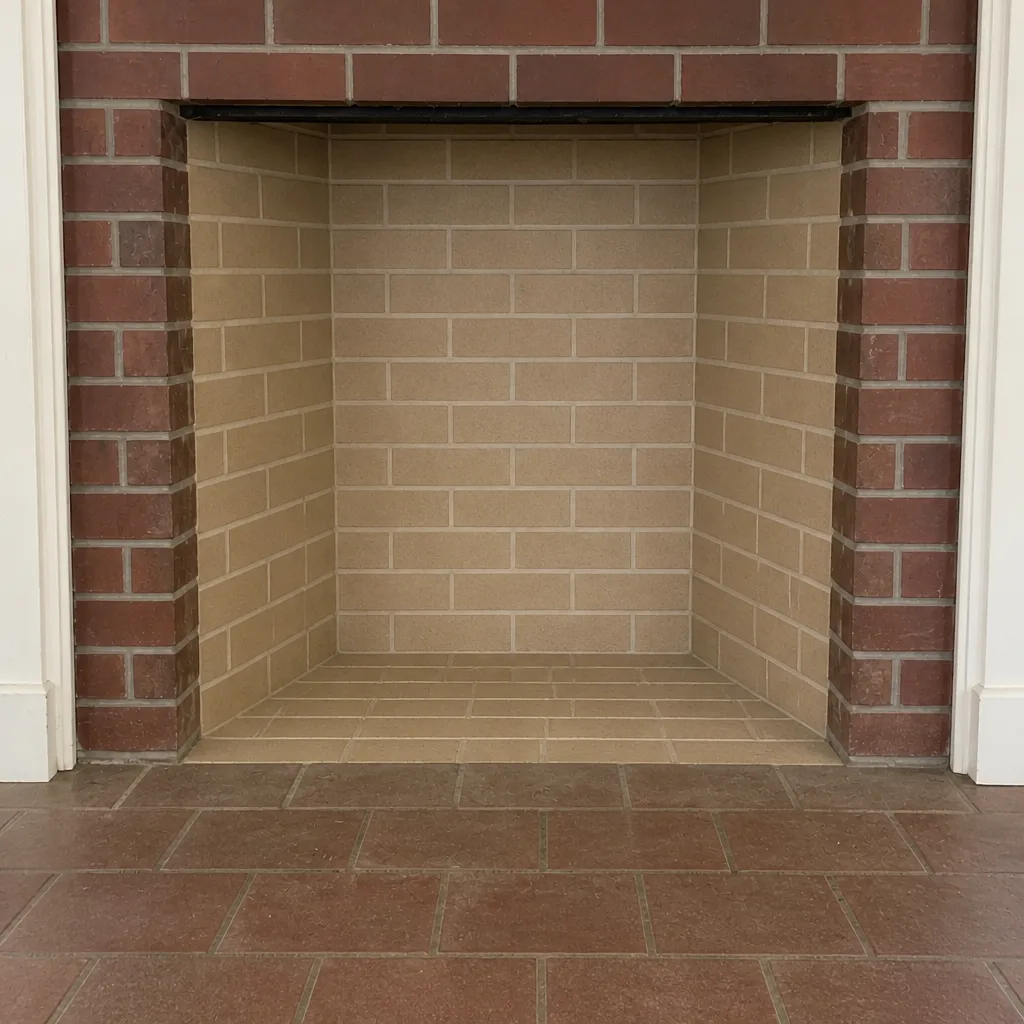
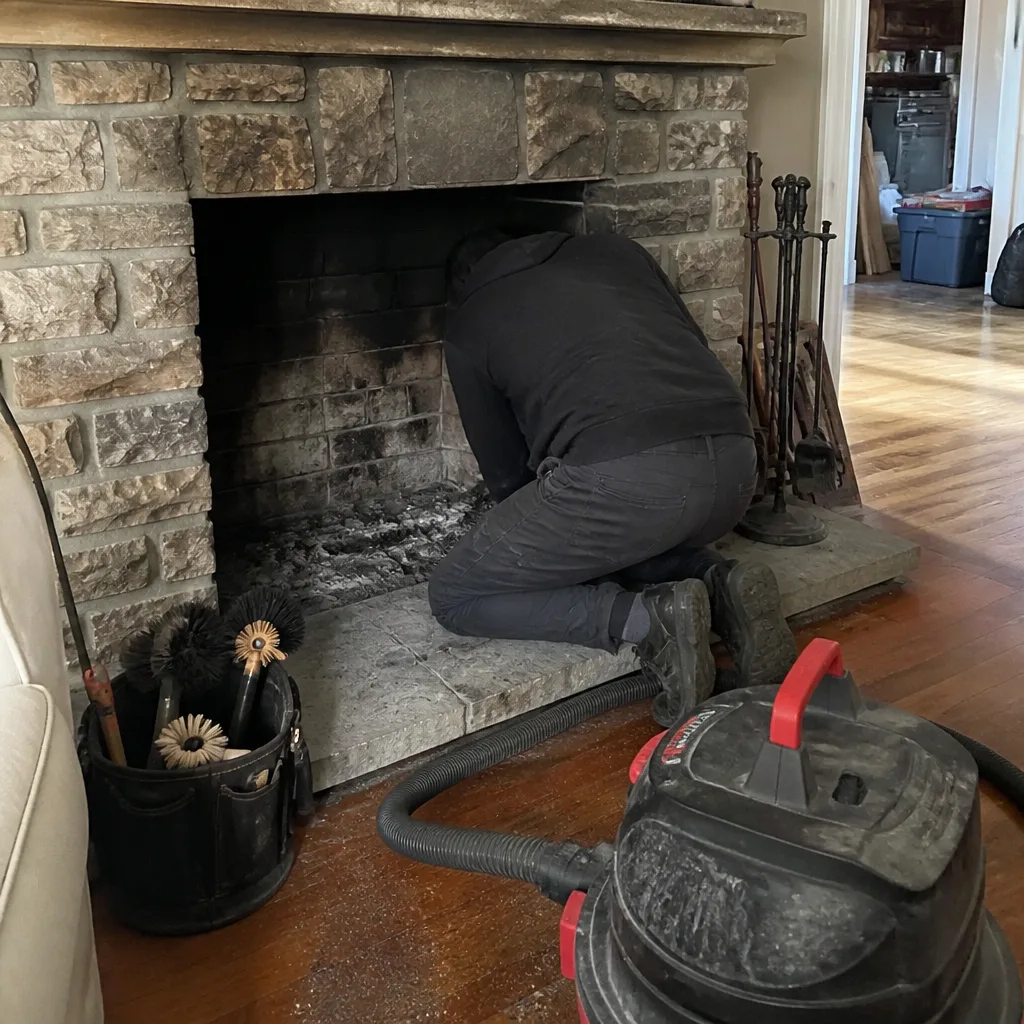
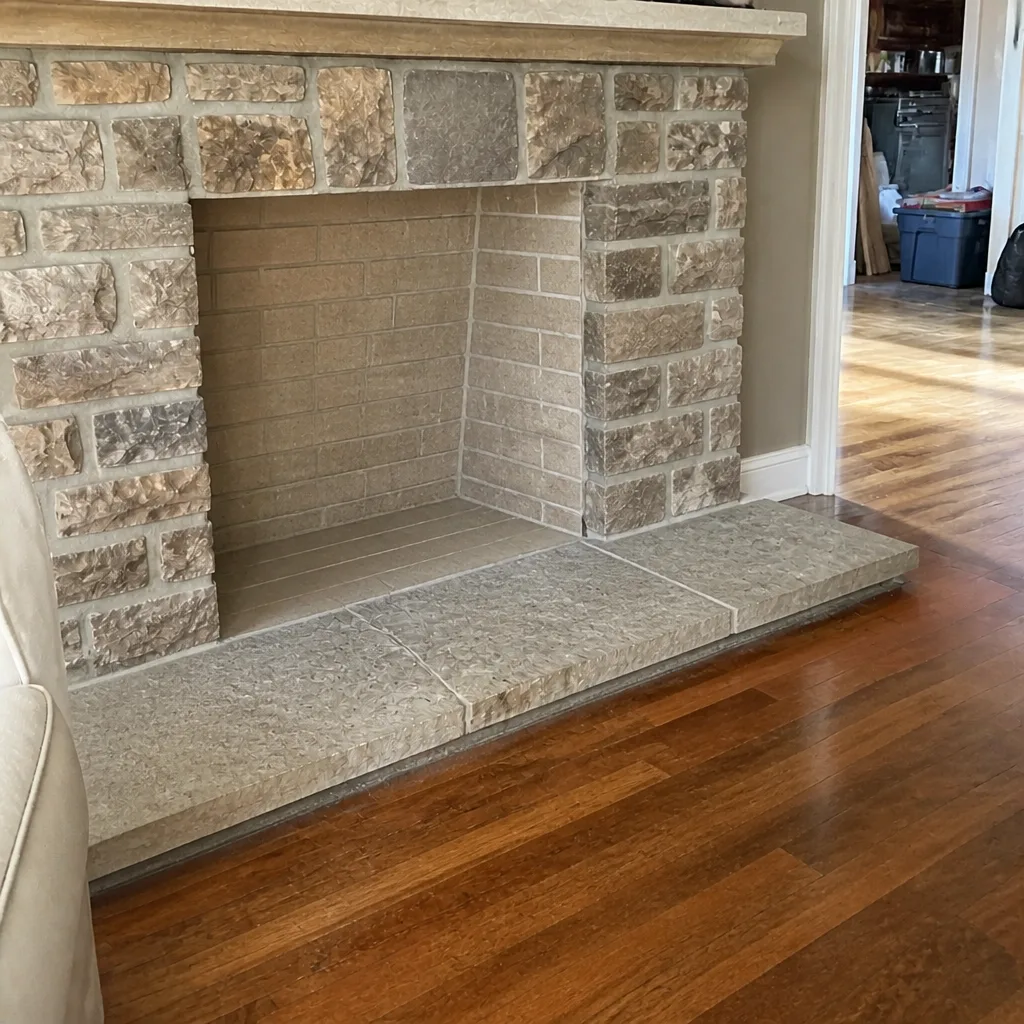
See the difference
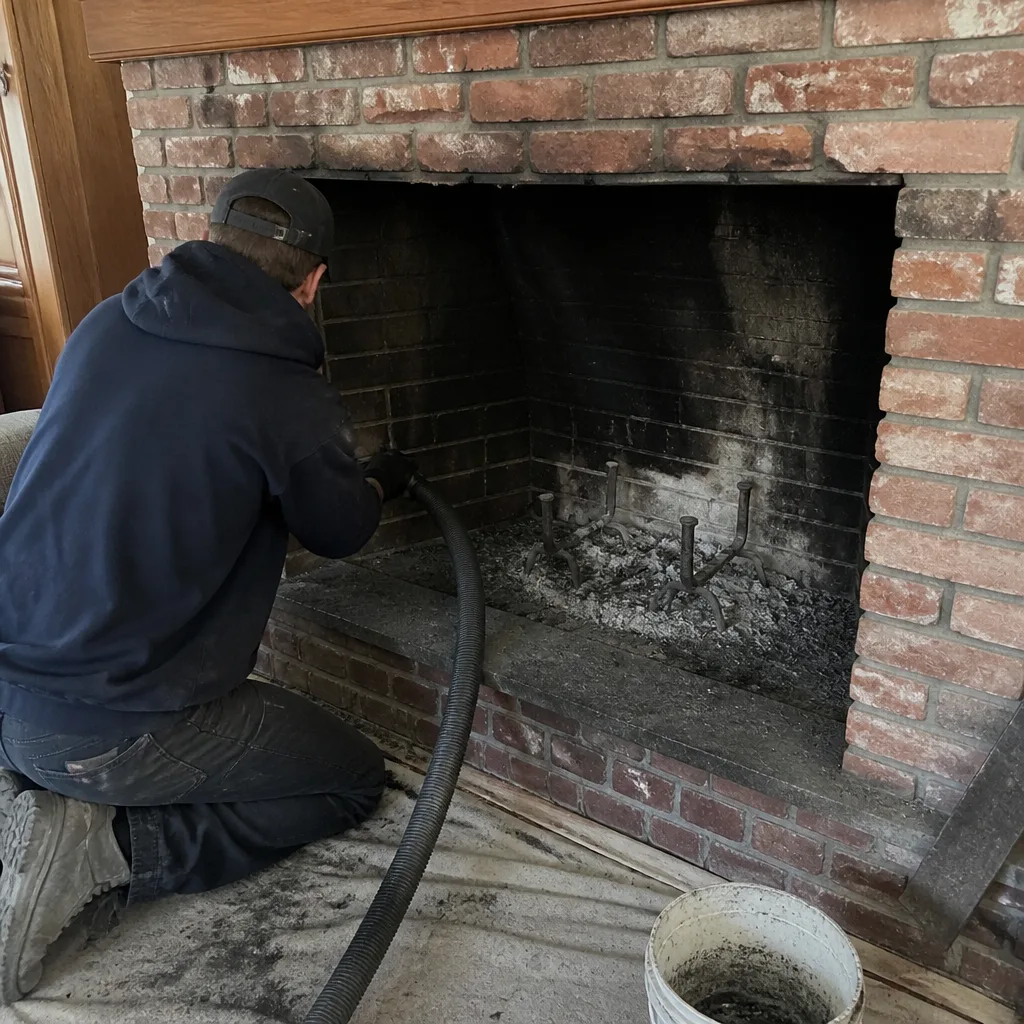 Before
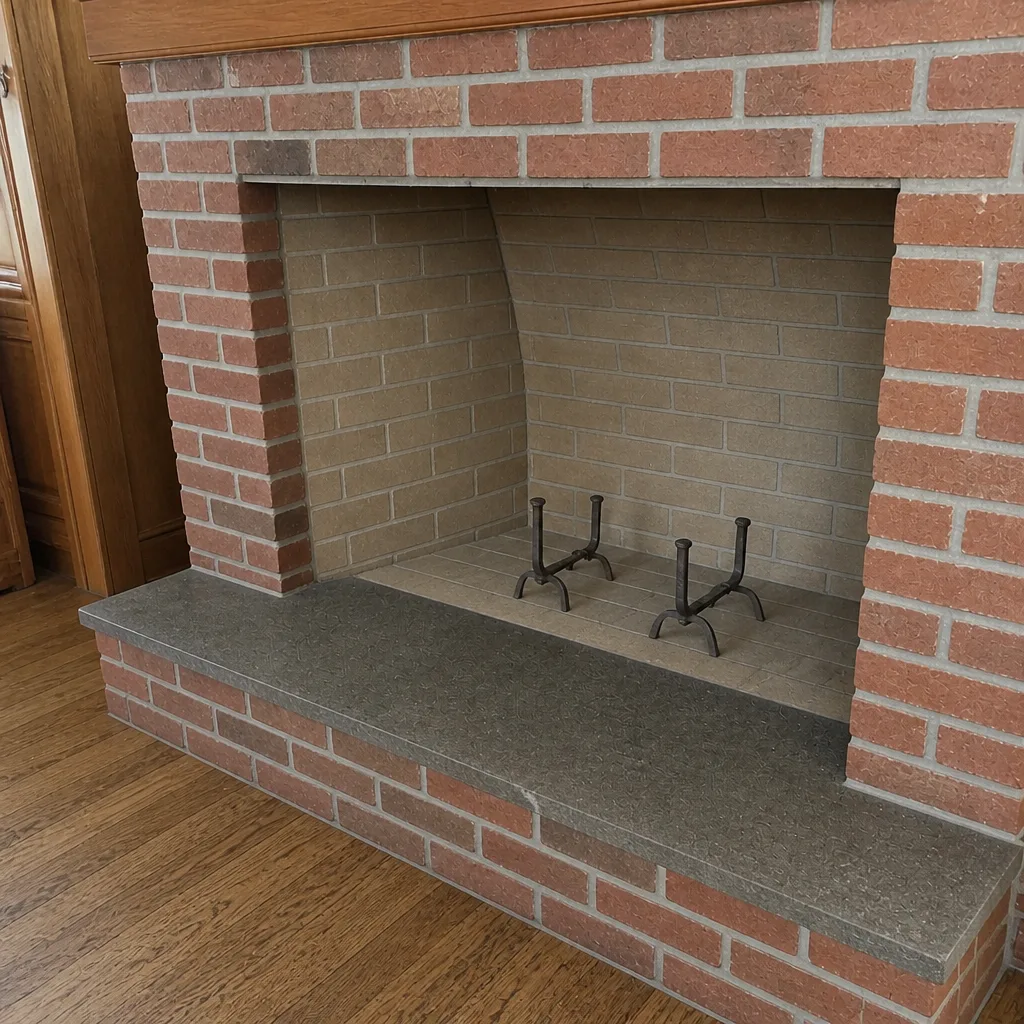 After
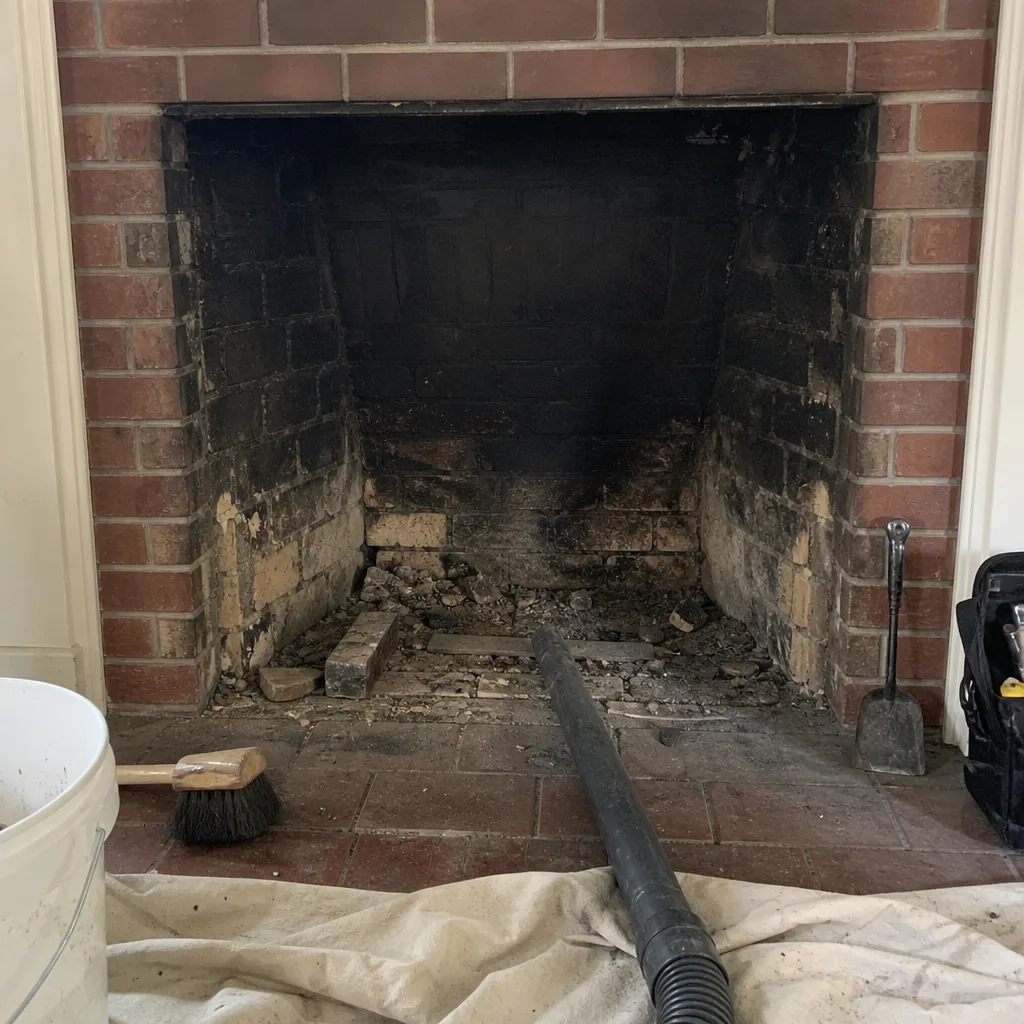 Before
 After
 Before
 After
When to Call a Professional
Some chimney questions are answerable over the phone; others need eyes on the flue. Call a professional if you’re planning a liner replacement or a new appliance and want to know which permits apply before booking. Call if you’ve never had a written inspection report for your home and want a documented baseline. Call if you’ve recently bought a house in Wakefield and the seller gave you nothing but a verbal assurance. Call if you’re changing a homeowner’s policy and want the chimney file in order. Call if your crown is cracked, your cap is loose, or you’ve had a chimney fire. And call if you’d like to know whether a repair you’re facing is routine maintenance or permitted work – that single question shapes the estimate. Wakefield Chimney Sweep Pros offers free estimates in Wakefield – call (855) 337-2076. We answer 24/7, and fast dispatch from 7am to 7pm, Sunday through Friday, gets a specialist to your door on the next opening.
Frequently Asked Questions
No. Routine chimney cleaning and sweeping don’t require a permit in Wakefield or anywhere in New York State – removing soot and creosote is classified as ordinary maintenance. A permit becomes relevant when the work changes the venting system, such as a liner replacement, structural masonry repair, or an appliance installation. Call (855) 337-2076 for an exact quote – estimates are free.
Yes, in most cases. A liner replacement alters the venting system, which generally requires a building permit and an inspection before the job is signed off. Because Wakefield sits near the New York City line, confirm with the building department that covers your exact address, since the New York City Department of Buildings and Westchester code offices have different processes. Call (855) 337-2076 for an exact quote – estimates are free.
NFPA 211 defines the three inspection levels and what a technician must examine: the flue liner, firebox, damper, smoke chamber, creosote buildup, and the crown and cap. A level 1 inspection covers readily accessible areas during a sweep, a level 2 adds a video scan and is typically used for home sales or appliance changes, and a level 3 opens concealed areas when a serious hazard is suspected. Call (855) 337-2076 for an exact quote – estimates are free.
It can. Policies generally require work to be done legally and to code, and an unpermitted liner installation is a change to the venting system the insurer never had on record. If a claim investigation finds that, the insurer can deny it or treat the policy as void. The safeguard is a permit, an inspection sign-off, and a written inspection report kept with your home’s records.
Yes – ask the contractor for the permit number and check it with the building department that covers your address. Permits are public records, so a number or its absence is easy to confirm. If the contractor can’t supply one, ask for a written explanation of why the job didn’t require it. Call (855) 337-2076 for an exact quote – estimates are free.
Your last written inspection report, any building permits and inspection sign-offs for liner or appliance work, invoices for the work performed, and a record of routine sweeping. Together these establish that the system was maintained and lawfully installed, which is exactly what the insurer is trying to verify. If any of these is missing, a fresh level 2 inspection can rebuild the record.
The Bottom Line
The rule that matters most in Wakefield is the one between maintenance and construction. Sweeping and creosote removal are permit-free. Liner replacement, relining, structural masonry work, and appliance installation generally require a permit and an inspection – and the geographic position of Wakefield means the office you deal with depends on your exact address. NFPA 211 defines what a proper inspection covers, and its three levels are what insurers and building departments refer to when a claim or a closing happens. The paperwork you keep today is what protects your coverage tomorrow. If a contractor can’t explain the permit picture plainly, that’s your signal to ask more questions.
If you’re in Wakefield and want that conversation handled by chimney-only specialists – the same team that handles chimney sweep visits, chimney cap & crown installation, and chimney repair – we’re ready to help. Wakefield Chimney Sweep Pros covers the whole system, from the flue to the crown, using professional-grade brands including DuraFlex liners and Olympia Chimney and Famco caps. Call (855) 337-2076 for a free estimate. We answer 24/7. Fast dispatch from 7am to 7pm, Sunday through Friday. Our technicians have up to 11 years of experience.
Written by the team at Wakefield Chimney Sweep Pros.