
Last updated November 25, 2026
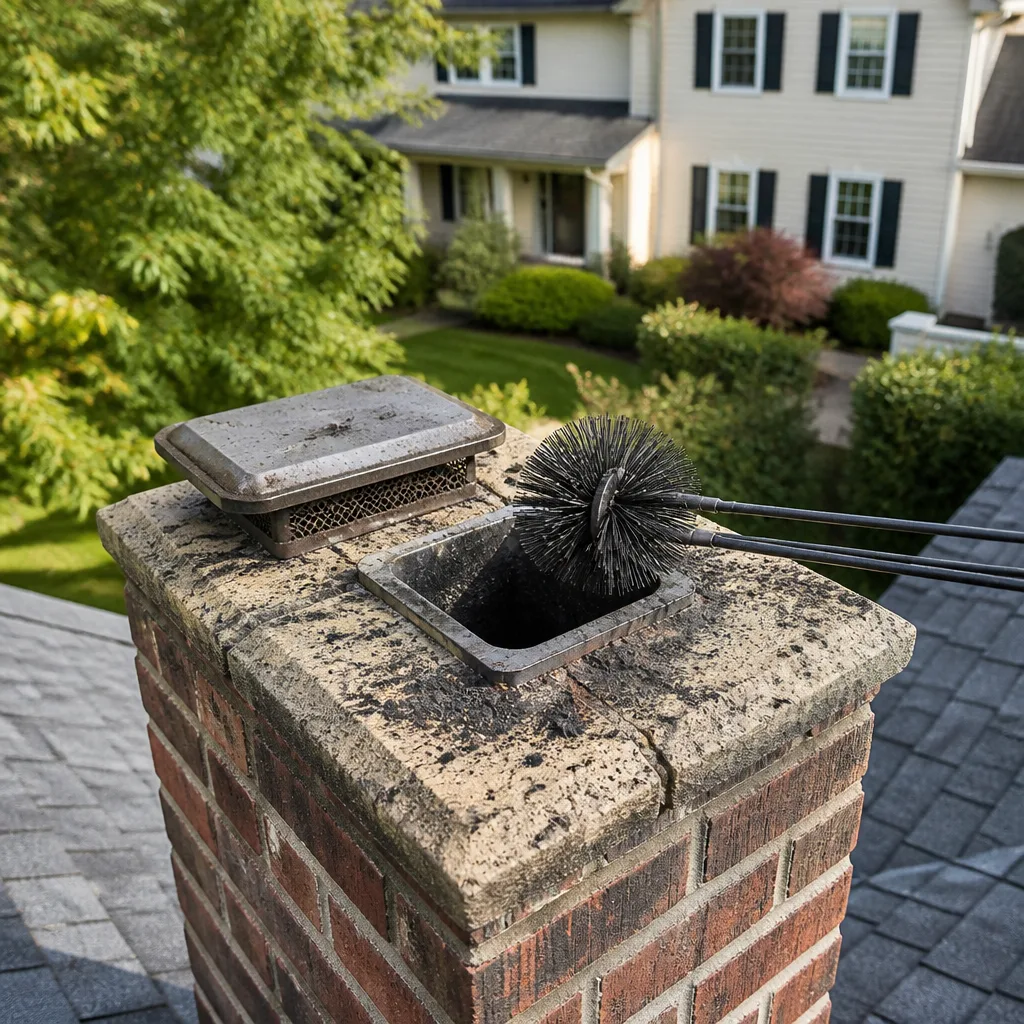 Sweep & inspection
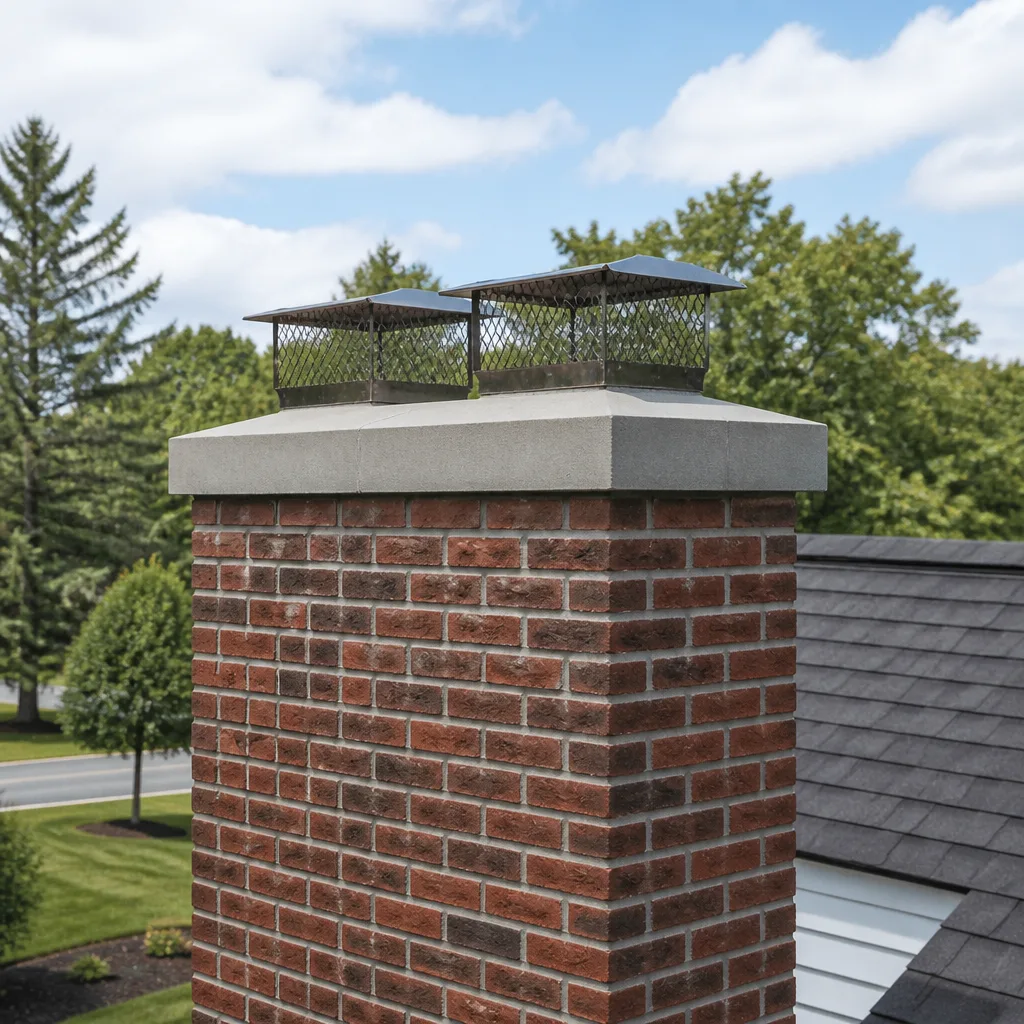 Caps & crowns
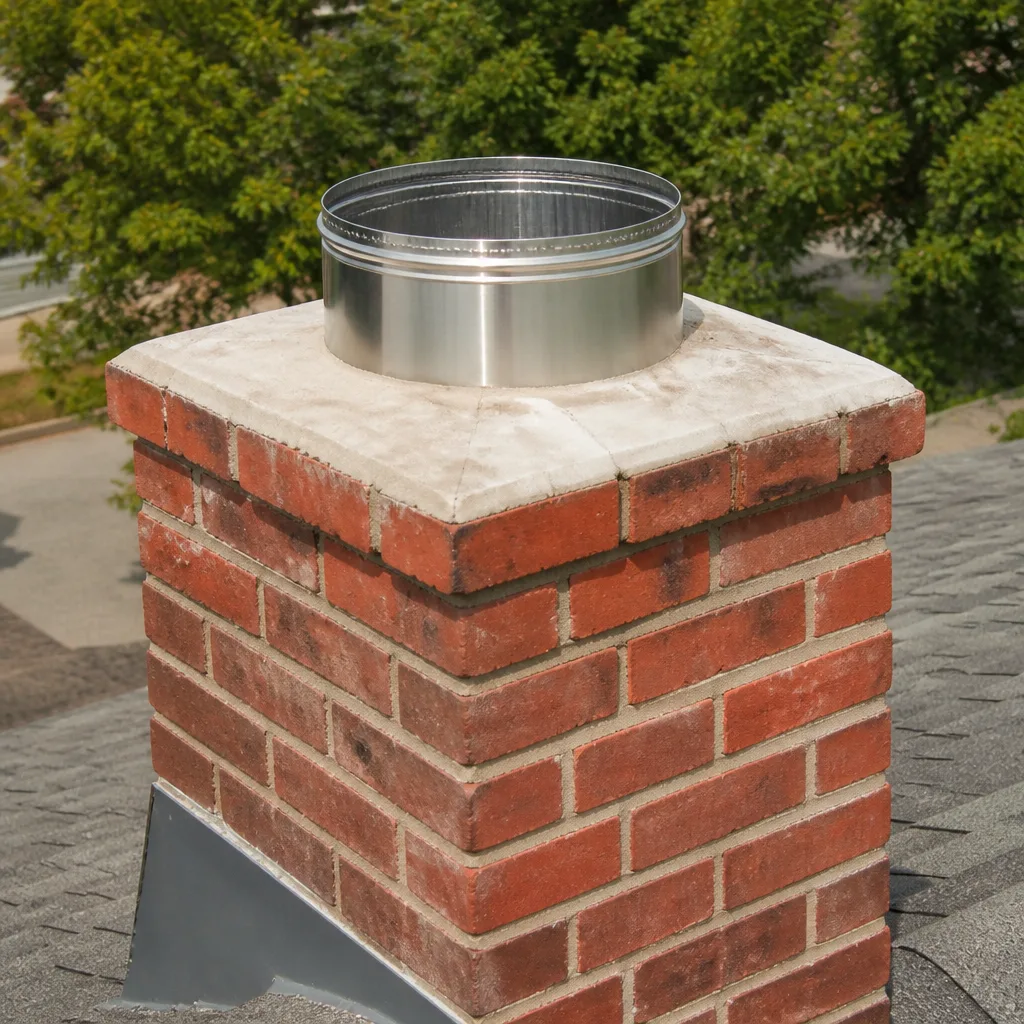 Flue relining
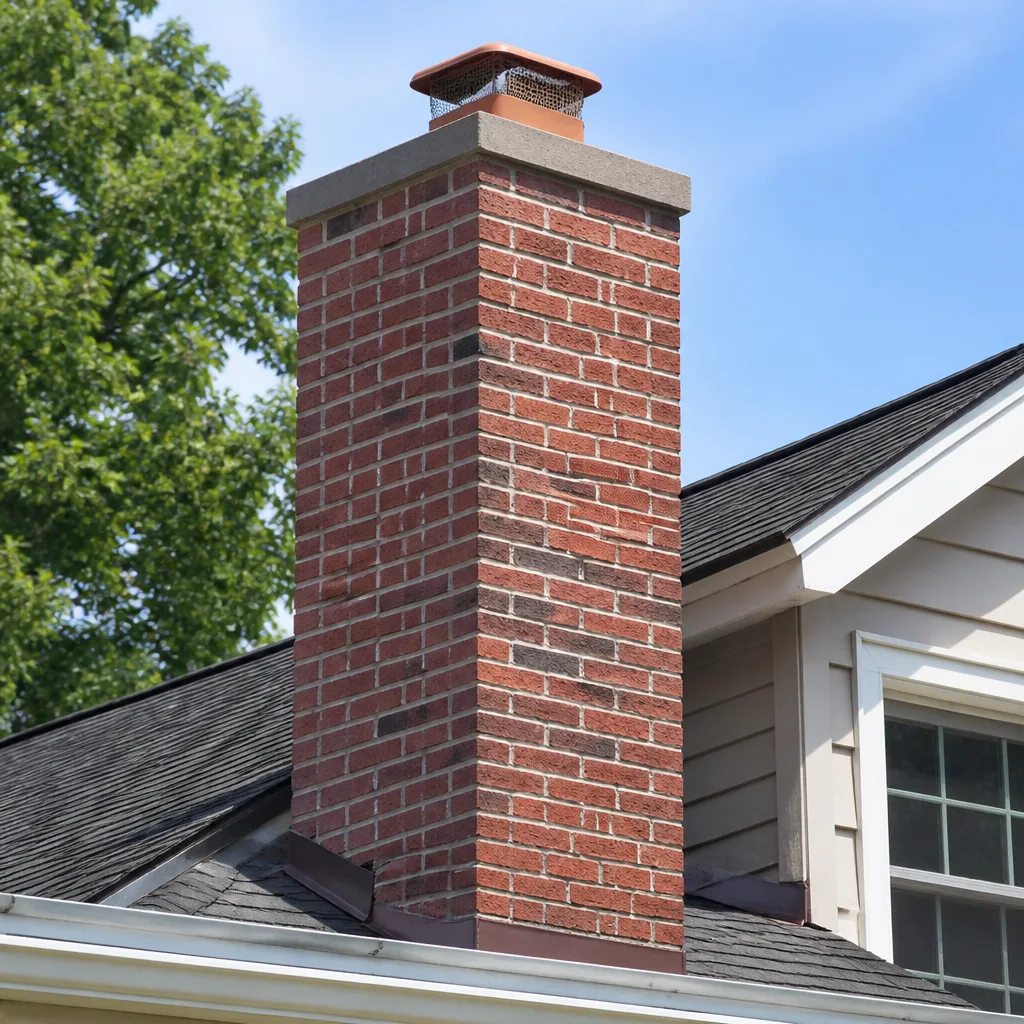 Masonry repair
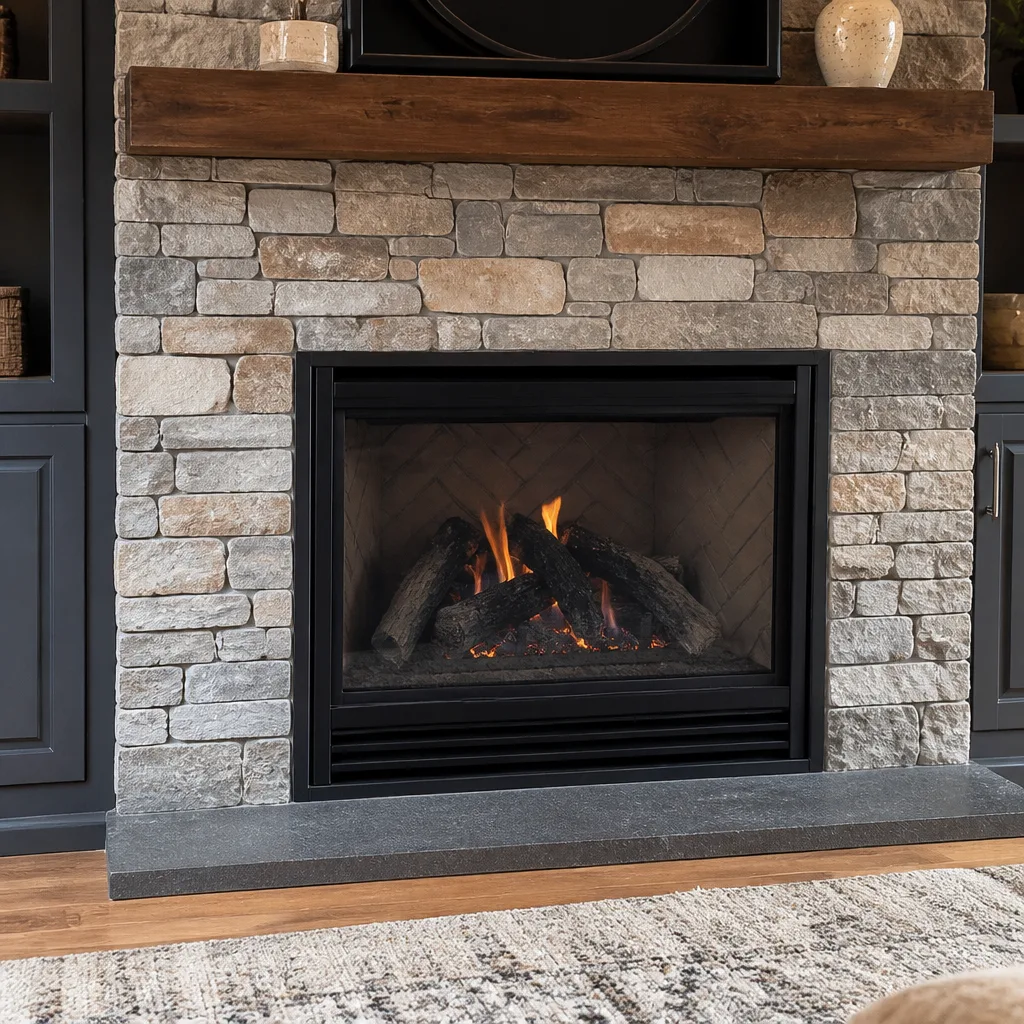 Gas fireplace service
Level 1 sweep and inspection to the NFPA 211 annual standard - flue, crown, cap, and flashing checked and photographed
Chimney sweep logs do not sweep chimneys. They loosen some creosote - which then falls where a brush and vacuum still have to collect it.
Chimney Cleaning Warning Signs: A Wakefield Homeowner’s Reference Guide
A white stain on the outside of your chimney isn’t cosmetic. It’s efflorescence, and it means water is actively moving through your masonry and leaching minerals out as it goes. By the time that bloom is visible on the brick, the inside of the flue has been damp for a while. That gap between what you can see and what’s actually happening is the whole reason this guide exists. Most chimney warning signs get filed away as minor annoyances – a faint smell, a little smoke, some rust – when each one is really a diagnostic pointer at a specific failure. In Wakefield, we’ve learned to read those signs before they turn into liner work, and this guide teaches you to read them too.
Quick Answer
The most important chimney cleaning warning signs are a strong smoky or sour smell (especially in summer), white staining on exterior masonry, rust on the damper or firebox floor, smoke rolling into the room instead of up the flue, and gritty debris or flakes falling into the firebox. Any of these means creosote buildup, moisture intrusion, or a liner problem that needs a professional inspection before you light another fire. Signs like faint odor or light soot are watch-and-monitor. Signs like rust, staining, or smoke backdraft are stop-and-call.
Styles & brands we work with
- Sweep & inspection
- Caps & crowns
- Flue relining
- Masonry repair
- Gas fireplace service
Table of Contents
- The Symptom-to-Cause Matrix: What Your Chimney Is Telling You
- Why Your Fire Smokes: Four Different Causes, Four Different Fixes
- The Summer Odor That Winter Hides
- Rust on the Damper: The Early Warning Most Homeowners Miss
- White Staining and Efflorescence Explained
- Debris, Flakes, and Sounds in the Flue
- Watch-and-Monitor vs. Stop-and-Call
- What Actually Happens During a Professional Sweep
The Symptom-to-Cause Matrix: What Your Chimney Is Telling You
A chimney rarely fails without warning. It gives you clues – smells, stains, sounds, smoke behavior – and each clue points at a specific part of the system. The problem is that most homeowners read these clues as one big vague category called “chimney needs cleaning.” That’s like hearing a knock in your car engine and calling it “car noise.” The symptom narrows the diagnosis, and the diagnosis decides the urgency.
Here’s how we map what you observe to what’s likely happening inside a Wakefield chimney:
- Strong smoky or sour odor in warm weather → creosote or moisture reacting with heat and humidity. Often a sign the flue hasn’t been swept and the residue is reeking.
- White powder or staining on exterior brick → efflorescence, meaning water is moving through the masonry and pulling minerals out. Points to a failing crown, cracked mortar joints, or a missing or damaged cap.
- Rust on the damper, damper handle, or firebox floor → moisture is getting into the flue, often from the top. Early warning for liner deterioration before you see cracking.
- Smoke rolling into the room when you light a fire → could be negative pressure, a blocked flue, an undersized flue, or a damaged liner. Four different causes, four different fixes.
- Gritty flakes or dark debris landing in the firebox → creosote flaking off the flue walls, or deteriorating liner material. Creosote glazing that has dried and cracked is a fire-risk indicator.
- Rumbling, popping, or roaring sounds during a burn → creosote igniting in the flue. Stop using the fireplace and call immediately.
- A draft that pulls smoke back down when the fire is out → blocked flue or pressure problem. Worth a sweep and inspection before you burn again.
In Wakefield and the surrounding hill towns, we see the efflorescence and rust signs more often in older masonry chimneys on the outside walls of houses, where freeze-thaw cycles through the winter do the most damage to brick and mortar. A chimney that runs through the interior of the house sees less of that. If you’re seeing white staining on a chimney that faces the weather, that’s the one to look at first. The Wakefield Chimney Sweep Pros team inspects each of these signs in context rather than guessing from a phone description.
Why Your Fire Smokes: Four Different Causes, Four Different Fixes
“My fireplace smokes” is the single most common complaint we hear in Wakefield, and it’s also the most misdiagnosed. Homeowners assume it’s a dirty flue, call for a sweep, and the sweep arrives to find a spotless flue and a fireplace that still smokes. That’s because a smoky firebox has at least four distinct causes, and only one of them is creosote.
Cause 1: Negative pressure. The house is tighter than the chimney can pull against. Modern weatherstripping, a powerful kitchen exhaust fan, or a furnace sharing the same air supply can literally suck smoke back down the flue. The fix isn’t always a sweep – it can be as simple as cracking a window near the fireplace when you first light a fire, or as involved as adding combustion air. This is common in Wakefield homes that have been tightened up with new windows and insulation over the years.
Cause 2: A blocked flue. Nesting birds, squirrels, or a collapsed cap screen can plug the chimney. A blocked flue is dangerous – it has nowhere to vent except into your living space. If your fire smokes and the draft feels weak, a blocked flue is the first thing to rule out.
Cause 3: An undersized flue. If the chimney was built for a different appliance than what’s now hooked up, the flue can be too small to carry the smoke. This is a sizing issue, not a cleaning issue, and no amount of sweeping will fix it.
Cause 4: A damaged liner. A cracked or spalling liner changes the smooth interior surface and the aerodynamics of the flue. Smoke that used to rise cleanly starts tumbling. A damaged liner is also a fire risk and a carbon monoxide pathway, so this one gets handled first.
Each cause needs different work. That’s why the inspection comes first and the recommendation follows evidence – not the other way around. If you’re trying to sort out whether your smoking fire is a quick fix or something structural, our chimney sweep service starts with a look at all four before anything gets recommended.
The Summer Odor That Winter Hides
If your chimney smells worse in July than it does in January, that’s not your imagination and it’s not just the heat. It’s a specific, diagnosable problem, and the fact that summer is when you notice it tells you what’s wrong.
Creosote is the tar-like residue left behind by wood smoke. In cold weather it’s mostly solid and odorless. In hot, humid weather, the creosote and any moisture trapped in the flue start to off-gas – the humidity in the air condenses on the flue walls, the creosote reacts, and you get that sharp, sour, smoky smell drifting down into your living room. A chimney that smells clean in winter and foul in summer is a chimney that has creosote sitting on its walls. The hotter and more humid the summer, the stronger the smell. Wakefield’s summers get warm and muggy enough that a neglected flue can turn a whole second floor sour.
The other version of this is a moisture problem. If rain is getting into your chimney through a failed crown, a missing cap, or bad flashing, the damp masonry holds water through the warm months and the smell is mold or mildew along with the creosote. A Gelco or Olympia Chimney cap correctly sized to the flue stops that intrusion. The two problems – creosote smell and moisture smell – are often happening together, which is why a sweep and a top-down inspection go together.
How to Tell the Two Apart
- Creosote smell: sharp, tarry, smoky, strongest on hot humid days.
- Moisture smell: musty, damp, earthy, often stronger after rain and near the hearth.
- Both: you likely have creosote buildup plus a top-side leak. A sweep plus a top-down look handles both.
If you’ve been putting off the sweep because “the chimney smells fine in winter,” that’s the sign it’s time. Summer is often the best time to get it done – our schedule is more open, and by the time the first cold snap hits you’re not competing for a slot with every other homeowner in Wakefield. The smell won’t fix itself, and the creosote doesn’t shrink.
Rust on the Damper: The Early Warning Most Homeowners Miss
Rust on a damper or firebox floor is the sign most homeowners shrug off, and it’s the one that worries us most when it shows up early. Here’s why: the damper and the firebox floor sit below the flue and above the fire. They aren’t supposed to get wet. When they’re rusted, it means water is reaching them – and the only path water takes to get there is down the flue, which means it’s running past your liner.
A rusted damper in Wakefield almost always points to a problem at the top of the chimney: a missing cap, a cracked crown, a failed chase cover, or bad flashing at the roofline. Each of those lets rain down the inside of the flue, and the flue walls are the liner. If the liner is clay tile, water can freeze in the joints in a Wakefield winter and split the tile. If the liner is stainless steel, water sitting on the seam can corrode it. Either way, rust on the damper is the early warning bell for liner deterioration – often a year or more before you’d see the cracking or spalling from inside the firebox.
That gap matters. A rusted damper caught early and traced to a cracked crown is a crown repair – a HeatShield or a proper masonry crown, professionally installed. A rusted damper left alone for three winters is often a liner replacement. The difference is real work either way, but one is done before the chimney has had a chance to fail.
What to Check Yourself
- Open the damper and look at the metal plate. Light surface rust is common and mostly cosmetic; heavy flaking rust is a moisture problem.
- Look at the firebox floor – the brick and the mortar joints around the front. White or orange staining is the same mineral-leaching pattern as efflorescence, from inside the firebox.
- Look for water staining on the masonry around the damper frame or the firebox opening.
- Check the top of the chimney from the ground with binoculars – missing cap, cracked crown, or rusty chase cover.
- If you see more than one of these, book an inspection. Rust on its own is one warning; rust plus staining is a pattern.
We work with DuraFlex and Olympia Chimney for stainless line replacement, and HeatShield for liner resurfacing in cases where the existing liner is still solid but the interior surface has gone rough. The right answer depends on what the inspection finds, not on what’s fastest to install.
White Staining and Efflorescence Explained
Efflorescence is the white, chalky powder or crust you see on the outside of a brick chimney. It’s not mold and it’s not cosmetic – it’s the mineral residue left behind when water moves through the masonry, dissolves salts out of the brick or mortar, and evaporates on the surface. The white bloom is the evidence of a path. Water went in, salt came out, and the bloom is where it dried.
On a Wakefield chimney, efflorescence usually means one of four things at the top of the system:
- A cracked or spalling crown letting rain into the flue from above.
- A missing or damaged cap, or a cap that was never the right size for the flue.
- Failed flashing where the chimney meets the roof, letting water track down the side.
- Spalling brick on the chimney itself – freeze-thaw damage breaking the brick surface and opening new pathways for water.
In our experience, the worth of a real crown and a properly fitted cap can’t be overstated. The crown is the slab on top of the chimney that sheds water away from the flue. If it’s cracked, water goes straight down. A Gelco or Famco cast crown installed to shed water correctly costs a fraction of what a new liner costs after three winters of water intrusion. A stainless steel cap from Olympia Chimney sized correctly to the flue stops rain from entering the flue while letting smoke out. Together, they close the loop at the top of the chimney.
White staining on a chimney is not a “wait until next year” sign. By the time it’s visible outside, the interior has been wet for at least one season and probably more. If you’re seeing it on a chimney in Wakefield, get it looked at before the winter freeze locks in the pattern. Our chimney cap & crown work starts with a top-down inspection to trace the water back to where it entered.
Debris, Flakes, and Sounds in the Flue
What comes down your chimney tells you what’s going up it. If you’re seeing flakes of black or brown material in the firebox, that’s creosote that’s dried, cracked, and fallen off the flue walls. If it’s gritty and sandy, it could be spalling clay tile from a failing liner. If it’s feathers or dried leaves, you’ve got a blocked flue or an unsealed chimney and a wildlife problem. Each points at different work.
Creosote flakes are the most common and the most variable. Light powder is normal buildup between sweeps and can wait for the scheduled cleaning. Shiny, glazed, or tar-like flakes mean stage-three creosote – the kind that ignites. That’s the one where we tell homeowners in Wakefield to stop using the fireplace until the flue is swept and inspected. A chimney fire isn’t a rare freak event; it’s what glazed creosote does when it gets hot enough. Popping, rumbling, or roaring during a burn is creosote burning, and that’s a call-now noise.
Sandy or gritty debris is different. If the pieces look like broken clay tile or come out in chunks, the liner itself is deteriorating. This is common on older Wakefield masonry chimneys where the original clay liner has gone through enough freeze-thaw cycles to start spalling. A flaking clay liner means combustion gases are contacting the chimney structure directly – not something to burn through. DuraFlex flexible stainless is the standard replacement for a flaking clay liner; HeatShield resurfacing is another option when the liner is still structurally sound but the interior surface has deteriorated.
Feathers, nests, or a strong bird smell in the flue means the chimney is being used as a habitat. Most cities require chimney caps for exactly this reason. A stainless cap from Olympia Chimney or a Gelco cap screened for the flue size keeps wildlife out and keeps rain out at the same time. If you’ve had a bird or squirrel problem in the chimney, the cap is the fix and the sweep clears what’s currently blocking the flue.
Watch-and-Monitor vs. Stop-and-Call
Not every sign is an emergency. Some are “schedule a sweep in the next few weeks,” and some are “put the fire out and call now.” The difference is usually whether a sign points at creosote buildup, which is fixable, or at a hazard that’s active right now. Here’s how we draw the line with Wakefield homeowners:
Watch and Monitor (schedule a sweep)
- Faint smoky smell in summer or after rain.
- Light soot on the firebox opening.
- Occasional smoke when the fire is first lit, then draft picks up.
- Small amounts of dried flake in the firebox, no glaze.
- One rust spot on the damper that hasn’t spread.
- White staining on exterior masonry without interior signs.
Stop and Call (stop burning until inspected)
- Smoke rolling into the room with every fire.
- Heavy rust or flaking metal on the damper or firebox floor.
- Glazed, shiny, tar-like creosote visible in the firebox or on the flue.
- Popping or roaring during a burn.
- Sandy, tile-like debris falling into the firebox.
- A strong carbon monoxide smell, headache, or dizziness when the fireplace is in use.
- A chimney that’s visibly leaning, cracked on the outside, or has loose brick at the top.
Carbon monoxide has no smell, which is why “I smell something weird” is not the warning sign most people think it is. If anyone in the house gets headaches or dizziness when the fireplace is running, get out of the house and call for help first. Then get the chimney inspected. A damaged liner, a blocked flue, or a failed masonry joint can let carbon monoxide into a living space, and that’s the one scenario where waiting isn’t an option.
If you’re not sure which side of that line you’re on, call (855) 337-2076. We answer 24/7. Fast dispatch from 7am to 7pm, Sunday through Friday. We’ll help you decide whether to stop using the fireplace tonight or whether it can wait for the next available appointment.
What Actually Happens During a Professional Sweep
A professional sweep is more than a brush down the flue. On a Wakefield chimney, a proper sweep is a full-system look – top to firebox – with the goal of answering two questions: what’s blocking the flue, and what shape is the liner in. The inspection comes first because the sweep method depends on what the chimney is telling us.
Here’s how a typical sweep goes:
- Top-side look. We start on the roof – the cap, the crown, the flashing, the chase cover, and the top of the flue. That’s where most water and wildlife problems start.
- Firebox and damper. A visual look at the firebox, the damper, and the smoke chamber. That’s where rust and creosote flakes show up first.
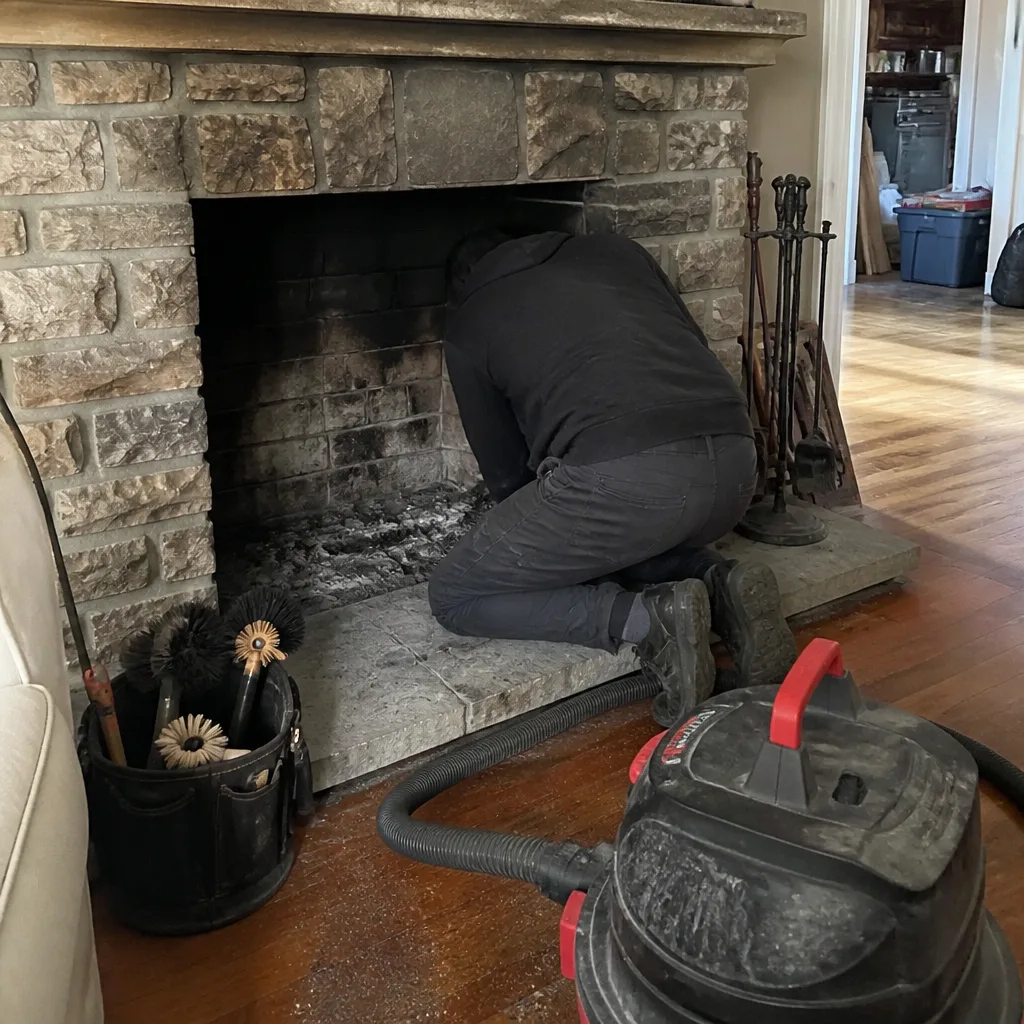
- Flue sweep. The flue is swept with brushes sized for the liner. The goal is removing the buildup without damaging the liner surface. Glazed creosote sometimes needs more than a brush, which is where the sweep-only services run out of tools and the specialist has to step in.
- Camera inspection. A video camera down the flue shows what the brush can’t. Cracks, gaps, spalling tile, and blockages are all visible on camera. This is the evidence we base any recommendation on – not a guess from the firebox.
- Photo report and estimate. Everything we find goes in a report you can see. Recommendations come with the photo of what’s behind them. If the timeline is “this can wait a year,” the report says so.
HeatShield resurfacing is one technique that’s beyond most sweep-only services. It restores the interior surface of a liner that’s still structurally sound but has gone rough or lost its coating. Instead of replacing a serviceable liner, HeatShield brings the interior back to a smooth surface so the flue drafts correctly again. It’s a professional-grade repair system, and it’s not the same as a sweep. If you’ve been told you need a full liner replacement, our chimney repair service is where to start – the inspection comes first, and the recommendation should follow what the camera shows.
Common Mistakes to Avoid
- Burning off the smell. A summer odor does not get better with a fire. It gets worse – the creosote that’s already in the flue gets hotter and the moisture problem persists. Sweep the chimney, don’t try to flush it out with flame.
- Ignoring rust because “the fireplace still works.” Rust on the damper is a moisture problem at the top of the chimney. It doesn’t stop the fire from burning; it stops the liner from lasting. Catching it early usually means a crown or cap fix, not a liner replacement.
- Treating smoke as a cleaning issue. A smoky fire is one of four problems and only one of them involves creosote. If the flue is clean and the fire still smokes, the sweep didn’t miss anything – the diagnosis was wrong.
- Waiting for next spring on white staining. Efflorescence on a Wakefield chimney is a water-entry sign, and the pattern accelerates through freeze-thaw. The longer it sits, the more brick and mortar it takes with it.
- Skipping the camera inspection. A brush can only show you what’s on the walls it scrubs. Cracked tile, failed tile joints, and flaking liner material only show up on camera. If a sweep is offered without an inspection, you’re getting half the picture.
- Using a generic contractor for a chimney problem. Chimneys cross into masonry, roofing, ventilation, and fire safety at once. A generalist sees one piece. The chimney is one system and needs someone who works on the whole system, from the flue to the crown.
- Burning unseasoned wood to “save money.” Wet wood builds creosote faster than dry wood. In a Wakefield winter, the cheap bundle of firewood from a driveway stand can build a season’s worth of buildup in a few weeks. Dry, seasoned wood burns cleaner in every way.
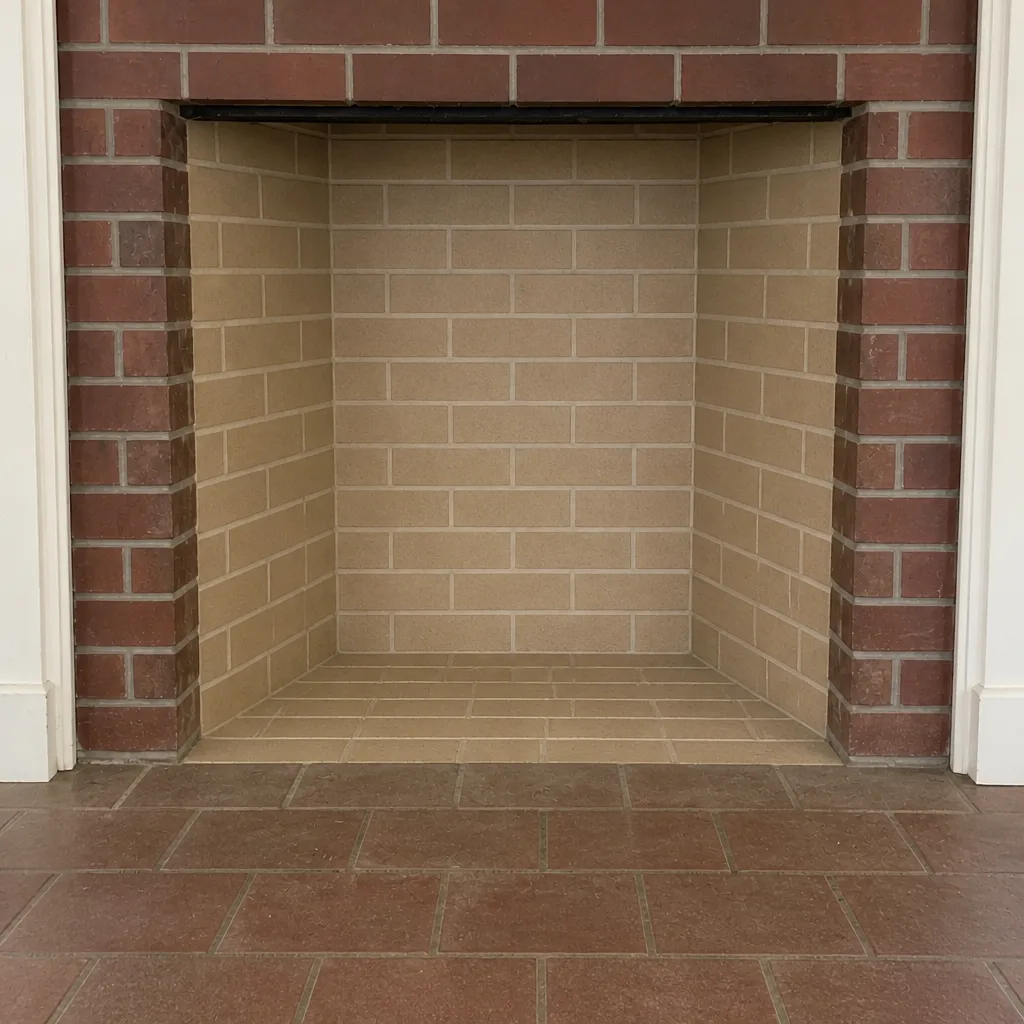
See the difference
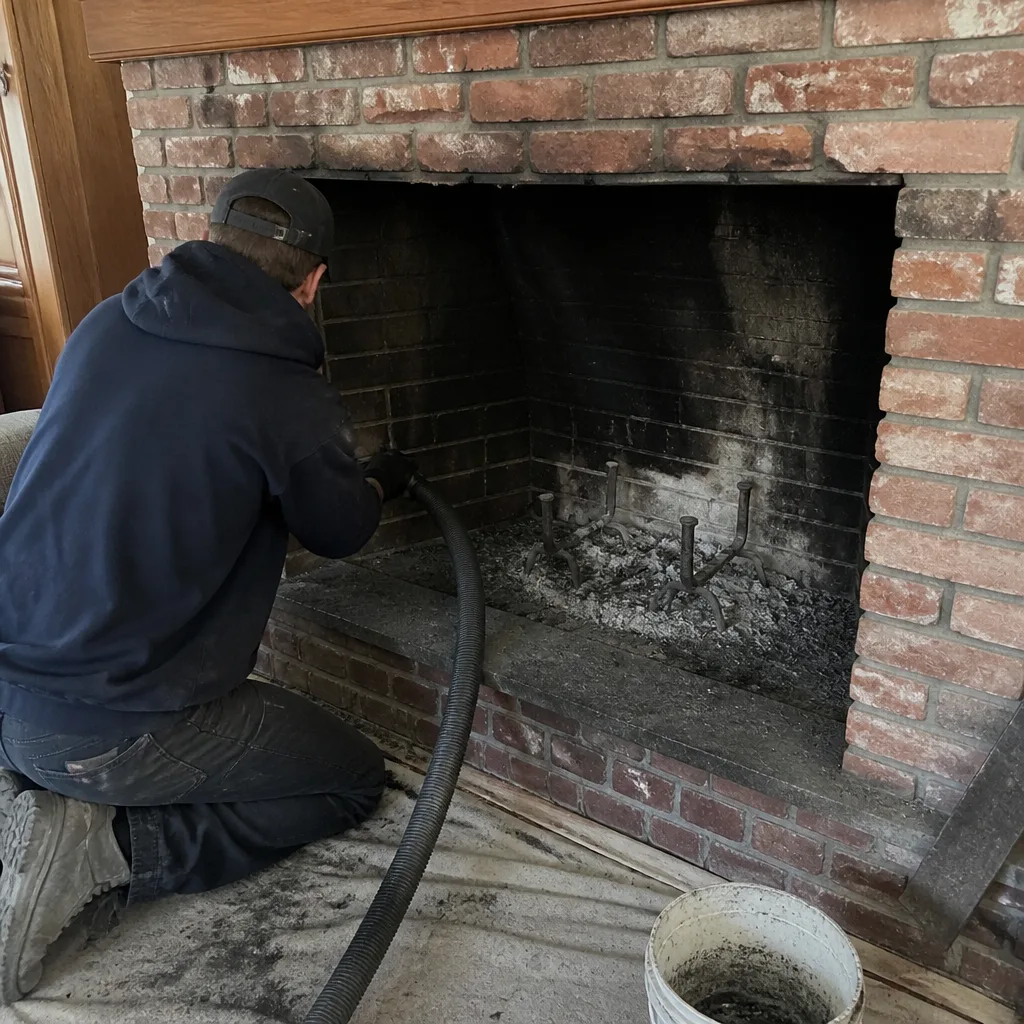 Before
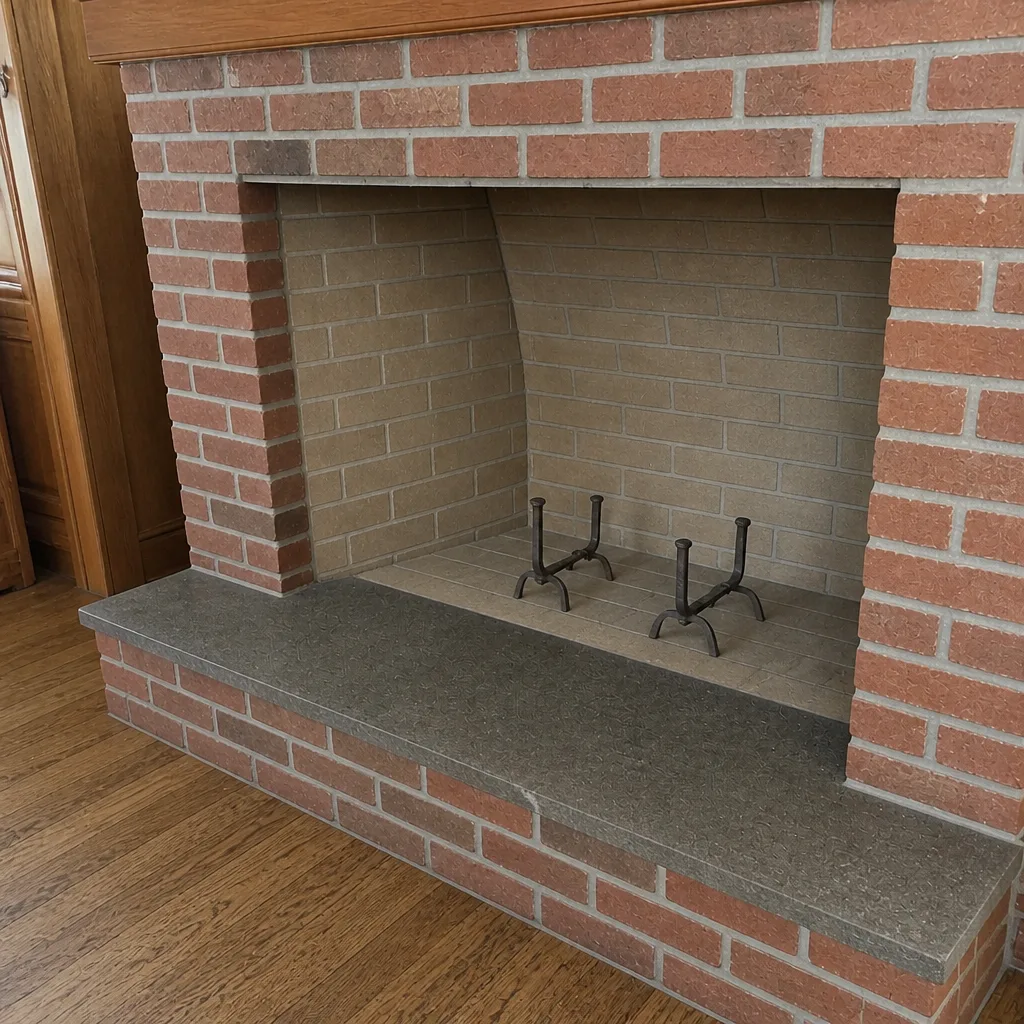 After
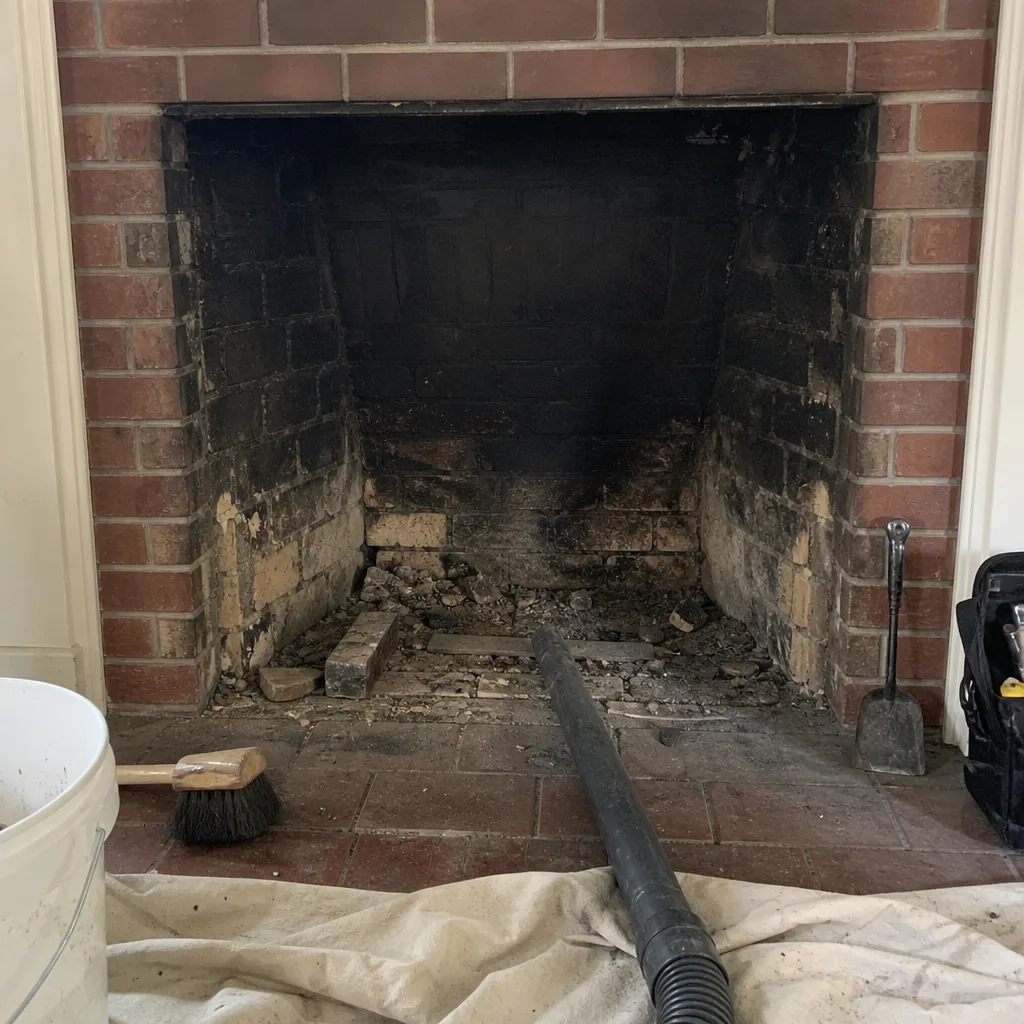 Before
 After
 Before
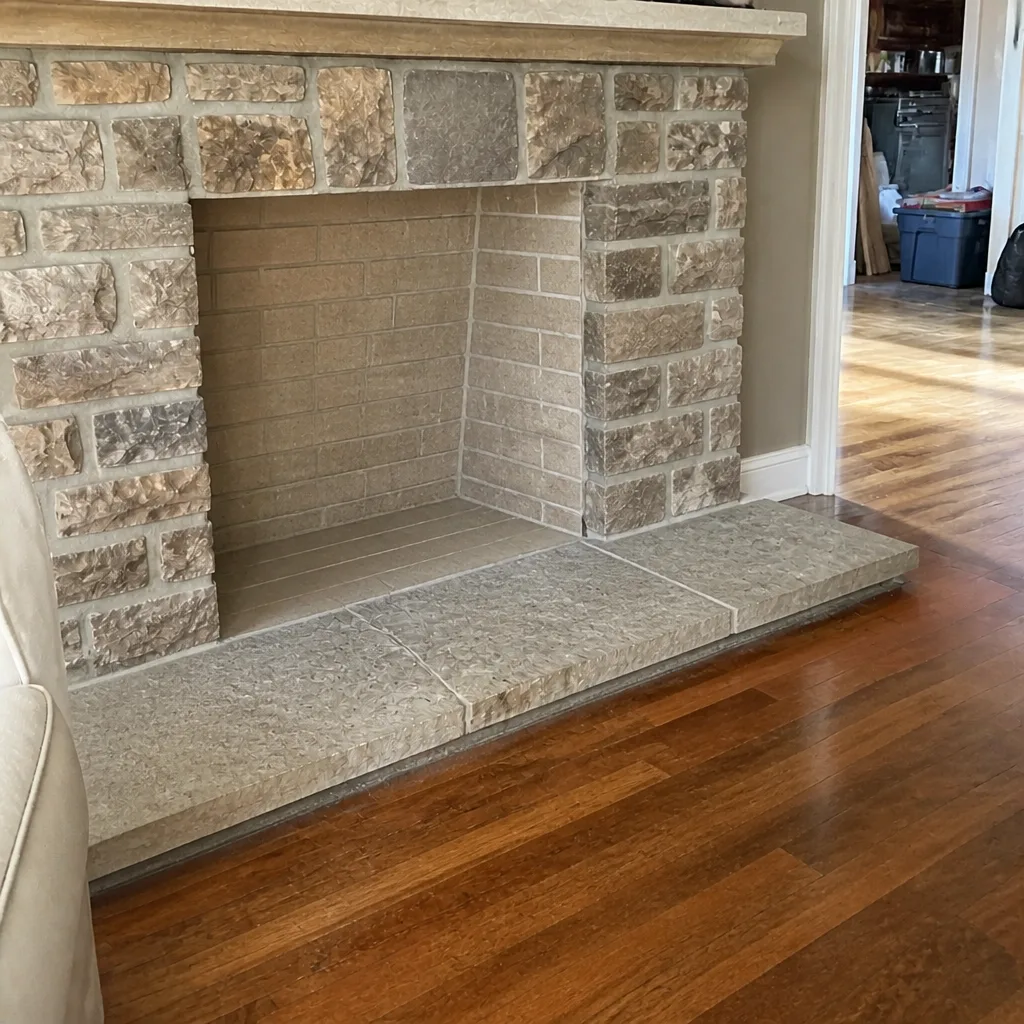 After
When to Call a Professional
Call for a sweep and inspection when you notice any of the stop-and-call signs in this guide – smoke in the room, glazed creosote, rust spreading on the damper, carbon monoxide-like symptoms, or audible roaring during a burn. Call to schedule a routine sweep when you notice the softer signs – a summer odor, light soot, or white staining on the outside – and when it’s been a season or two since the last cleaning. Call for a chimney inspection when you’ve bought a house, changed the appliance hooked to the flue, or had any kind of chimney fire, even a small one. Call for repair work when the inspection shows a cracked crown, a failing cap, spalling masonry, or a liner that needs resurfacing or replacement.
We offer free estimates in Wakefield, and the inspection comes first. Wakefield Chimney Sweep Pros handles the sweep, the inspection, the cap and crown work, the liner work, and the fireplace repair as one service loop – one company, every chimney service, so you’re not negotiating between contractors. Our technicians have up to 11 years of experience, and we work with professional-grade product lines – DuraFlex, HeatShield, Gelco, Olympia Chimney, Famco, and Copperfield – because a chimney fix shouldn’t be pulled from generic hardware-store stock. Call (855) 337-2076 to book. We answer 24/7. Fast dispatch from 7am to 7pm, Sunday through Friday.
Frequently Asked Questions
Most chimney professionals recommend a sweep once a year for a wood-burning fireplace that sees regular winter use. A gas or oil appliance vented through the chimney usually gets checked annually and swept less often. If you burn a lot of wood, or you notice any warning signs from this guide, get an inspection sooner rather than waiting for your yearly slot.
Rust on the damper or firebox floor usually means moisture is coming down the flue from the top of the chimney. A missing cap, a cracked crown, a failed chase cover, or bad flashing are the common causes. Left alone, that moisture can freeze in a clay liner and split the tile or corrode a steel liner. It’s one of the earliest signs of liner trouble and worth a top-down look. Call (855) 337-2076 to book an inspection – estimates are free.
Warm, humid air causes creosote buildup and any trapped moisture to off-gas, which pushes the smoky or sour smell back down into the house. In cold weather the same buildup is mostly solid and odorless. A summer smell is a sign the flue needs a sweep, and possibly that a moisture problem is feeding it. Call (855) 337-2076 and we’ll get a sweep on the calendar.
White staining, or efflorescence, is a repair problem, not a cleaning problem. It means water is moving through the masonry and leaching minerals out on the surface. The water is getting in through the crown, the cap, the flashing, or a spalling brick surface. The fix runs from a proper cap and crown to masonry repair, and the inspection at the top of the chimney shows which one. Call (855) 337-2076 for a look.
Light soot or a faint smell on its own is usually a watch-and-monitor sign, and using the fireplace occasionally is fine while you schedule a sweep. It stops being fine if the smoke is rolling into the room, you see glazed or shiny creosote, or you hear popping during a burn. Those are stop-and-call signs, and the fire should not be lit until the chimney is inspected. Call (855) 337-2076 and we’ll help you decide which side of that line you’re on.
If the flue is clean and the fire still smokes, the problem is one of three things: negative pressure pulling smoke back down the flue, an undersized flue, or a damaged liner altering the draft. None of those are fixed by a sweep. A camera inspection narrows it down and the fix follows. If you’re in a Wakefield home that’s been tightened up with new windows or insulation, negative pressure is worth ruling out first. Call (855) 337-2076 to book the inspection.
The Bottom Line
Chimney warning signs are diagnostic, not cosmetic. A summer smell, a white stain, a rusted damper, a smoky fire, or a bit of flake in the firebox each point at a specific cause and a specific urgency. Watch-and-monitor signs can wait for a scheduled sweep; stop-and-call signs mean no more fires until the chimney is inspected. The inspection comes first, the camera shows what’s actually happening, and the recommendation follows the evidence. Wakefield homeowners who read their chimney’s signals early spend less on repair and get a safer fireplace out of it. If anything in this guide matched what your chimney is doing, call (855) 337-2076. We answer 24/7. Fast dispatch from 7am to 7pm, Sunday through Friday. Estimates are free.
Written by the team at Wakefield Chimney Sweep Pros.