
Last updated November 25, 2026
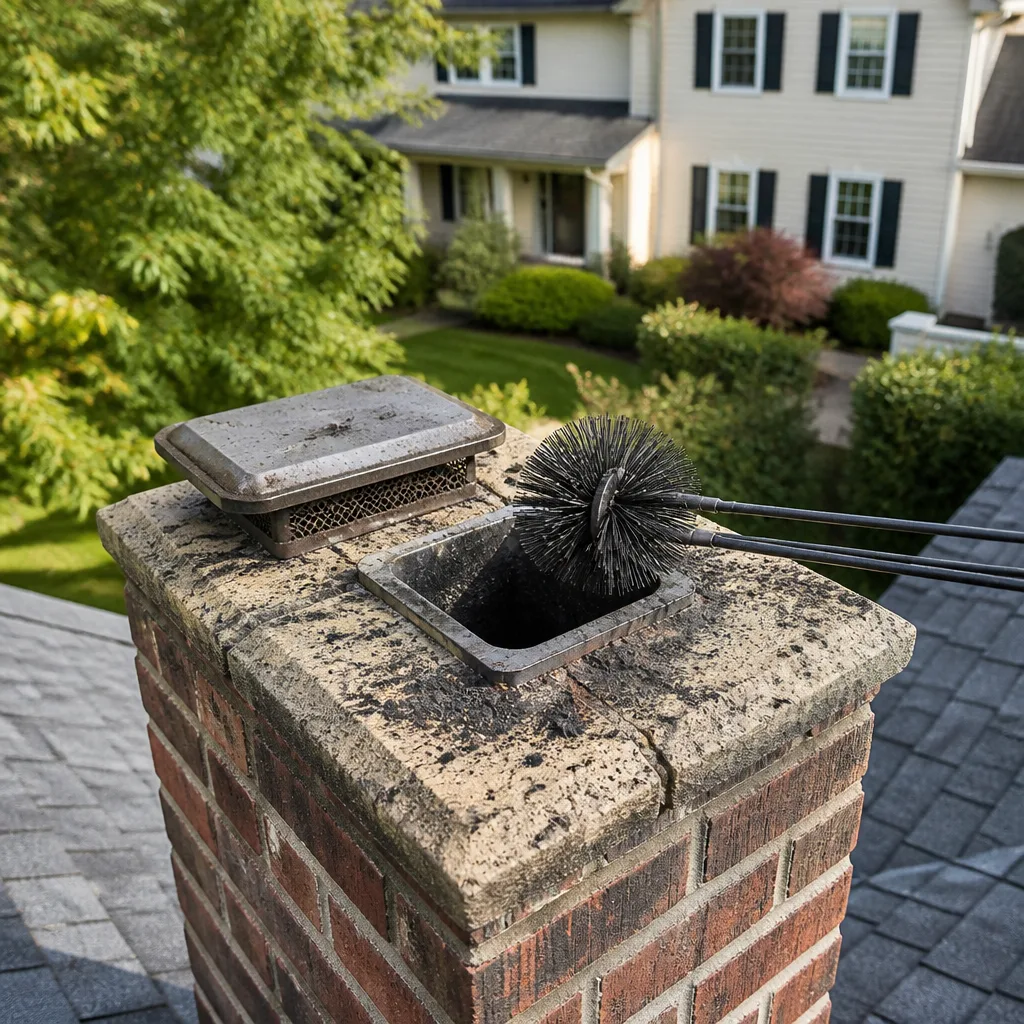 Sweep & inspection
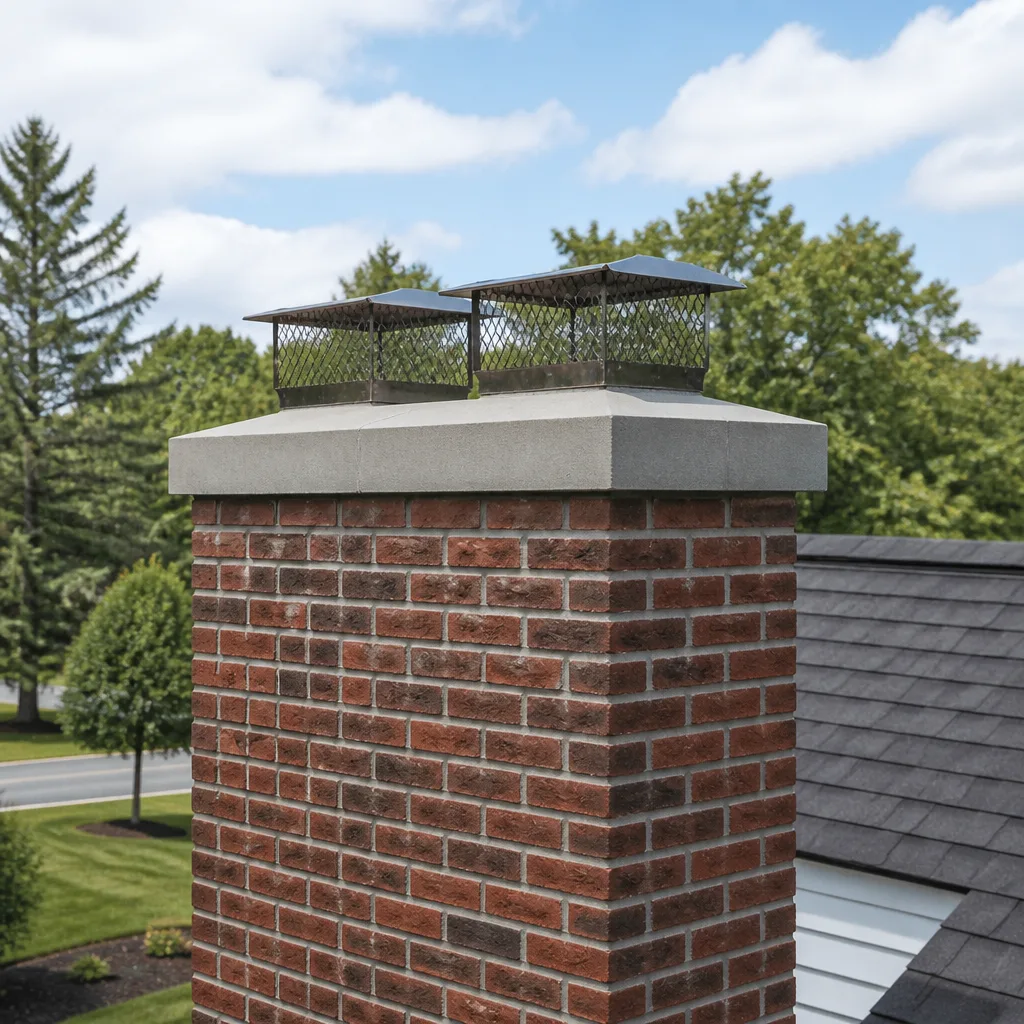 Caps & crowns
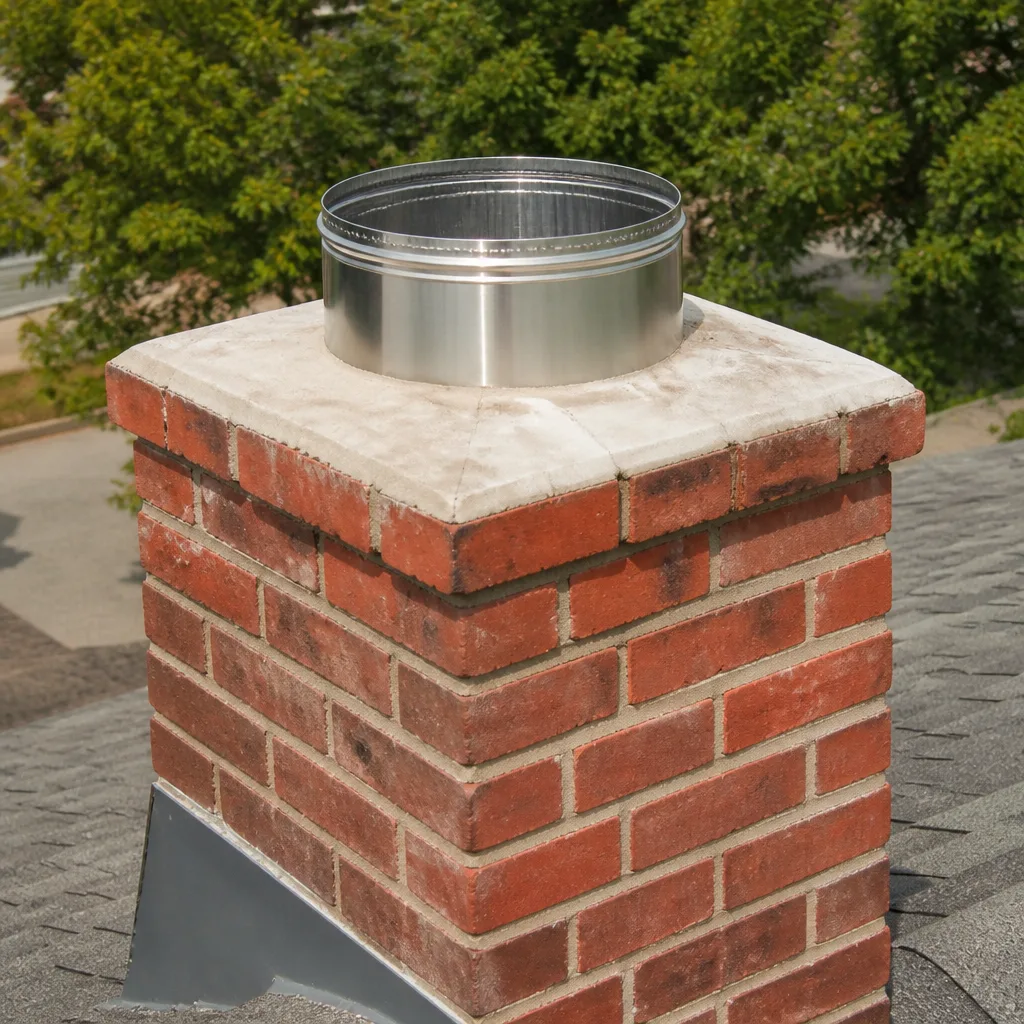 Flue relining
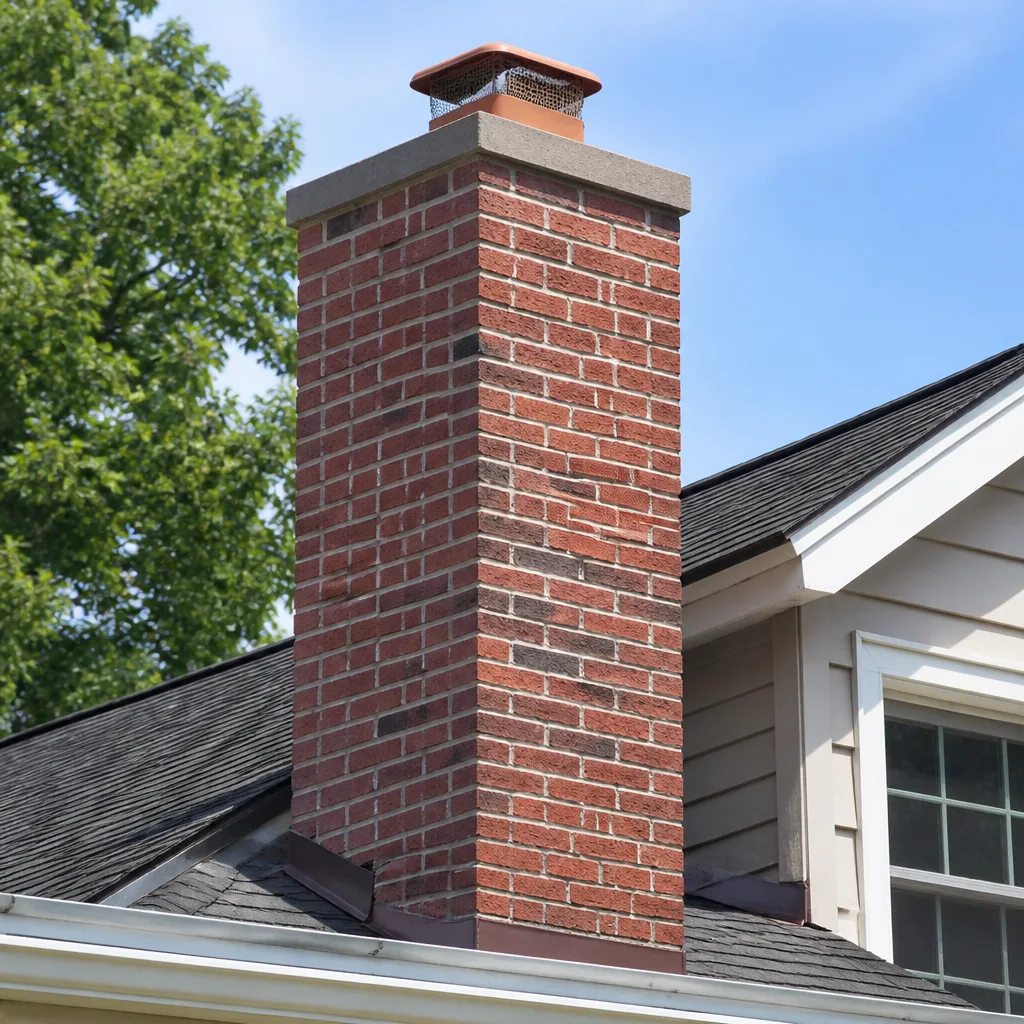 Masonry repair
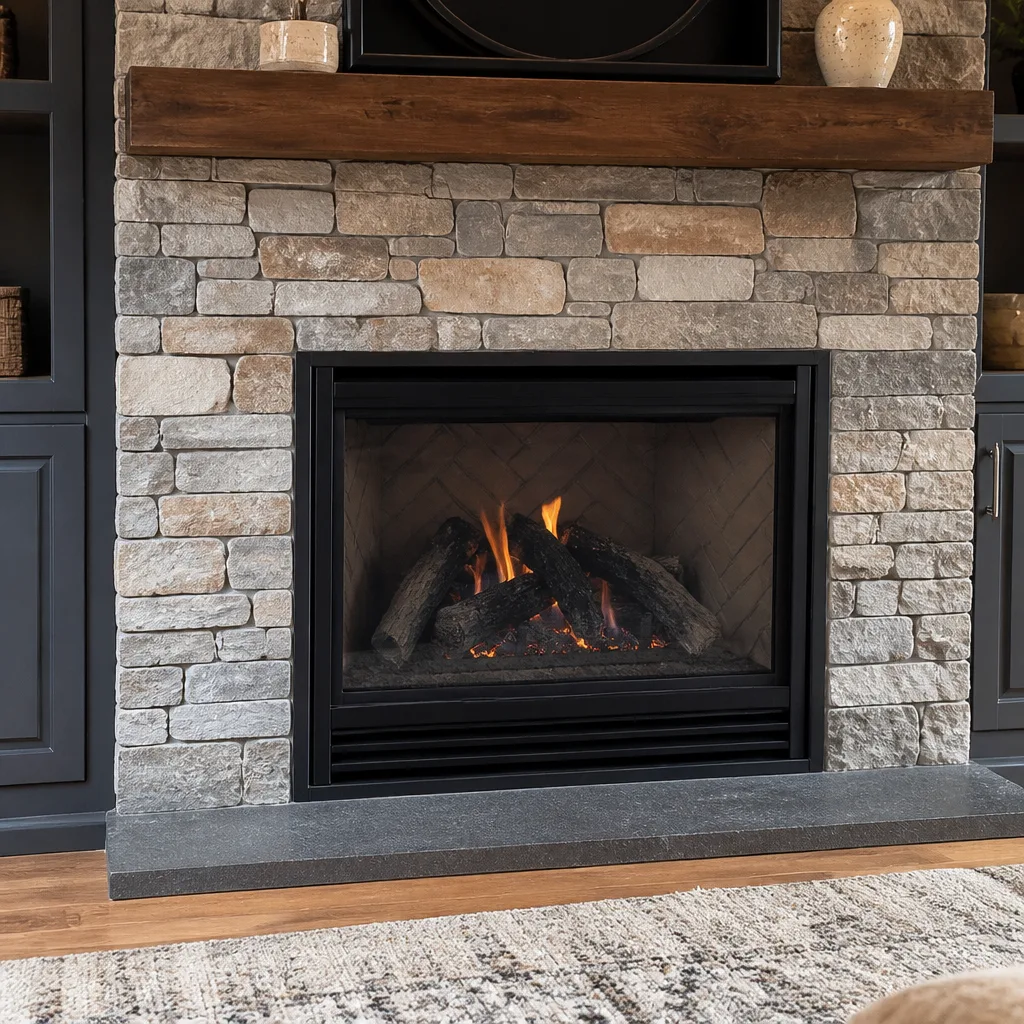 Gas fireplace service
Level 1 sweep and inspection to the NFPA 211 annual standard - flue, crown, cap, and flashing checked and photographed
Chimney sweep logs do not sweep chimneys. They loosen some creosote - which then falls where a brush and vacuum still have to collect it.
Chimney Cleaning Cost Breakdown: The Wakefield Homeowner’s Reference for 2026
A $99 sweep and a $350 sweep in Wakefield are almost certainly not the same service. That gap isn’t a matter of one company being greedy and another being generous. It reflects real differences in scope, in equipment, and in what’s handed to you when the technician packs up. The trouble is that most quotes don’t explain those differences, so you end up comparing a number to a number with no idea what either one buys. This guide breaks down what actually goes into a chimney cleaning quote in Wakefield, what the common add-ons cost, why liner work swings so wildly, and how to spot a lowball before it costs you thousands.
Quick Answer
A routine chimney sweep in Wakefield typically runs about $180 – $320 for a standard wood-burning flue, and a full-service cleaning that includes a Level 1 inspection and a written report usually lands in the $250 – $450 range. Add-on work pushes the total higher: a camera inspection adds roughly $100 – $200, cap installation $225 – $450, crown repair $300 – $700, and liner resurfacing with HeatShield $1,200 – $3,500 depending on the length and condition of the flue. The written estimate always sets the final price.
Styles & brands we work with
- Sweep & inspection
- Caps & crowns
- Flue relining
- Masonry repair
- Gas fireplace service
Table of Contents
- What actually goes into a chimney cleaning quote?
- How much does a chimney sweep cost in Wakefield?
- What do common add-on services cost in the Wakefield area?
- Why do liner and relining costs vary so dramatically?
- How do you spot a lowball chimney quote?
- What does deferred maintenance actually cost?
- How does a professional sweep actually run, step by step?
- How do you choose a chimney company in Wakefield?
What actually goes into a chimney cleaning quote?
A chimney cleaning quote is built from four cost layers, and every reputable company prices all four. When one quote is half the price of another, it’s usually because one or more of these layers has been quietly removed. Knowing the layers lets you read a quote the way a technician does.
- Labor. A straightforward sweep is an hour to ninety minutes of skilled work, more for a heavily fouled flue or one with offsets and bends. Chimney-only specialists train for the whole system, not just the brush, so labor reflects real trade skill.
- Inspection level. Every cleaning should come with at least a Level 1 inspection: a visual check of the firebox, damper, smoke chamber, flue, and accessible exterior. A quote that excludes inspection or charges it as a surprise extra is the first warning sign.
- Equipment. Professional sweeps run high-powered HEPA vacuums with sealed hoses so nothing escapes into your living room, plus rotary brushes sized to the flue and a camera for anything the eye can’t reach. Consumer brushes and a shop vac are not the same tool.
- Documentation. A written report with photos of what was found, what was cleaned, and what needs attention is part of the job. It’s also your record if you sell the house or make an insurance claim.
In Wakefield, the fourth layer is the one homeowners most often get burned on. A cheap sweep that hands you a verbal “looks good” leaves you with nothing to compare against next year. We build the report into every visit because it’s the only way a homeowner can tell whether a recommendation is genuine or invented. Inspect first, then recommend, and put it in writing.
How much does a chimney sweep cost in Wakefield?
A standard chimney sweep in Wakefield runs roughly $180 – $320 for a single wood-burning flue, with most homes landing near the middle of that range. A full-service cleaning that pairs the sweep with a Level 1 inspection and a written, photo-documented report typically costs $250 – $450. Gas and oil flues, fireplace inserts, and unusually tall or heavily creosoted chimneys can push the number higher.
| Service | Typical Wakefield range |
|---|---|
| Standard sweep, single wood-burning flue | $180 – $320 |
| Sweep with Level 1 inspection and written report | $250 – $450 |
| Camera (Level 2) inspection | $100 – $200 |
| Second flue or insert cleaning | $75 – $175 |
| Heavy creosote removal (glazed, stage 3) | $350 – $800 |
Two things drive the price up in Wakefield more than anything else. First, the housing stock: many homes here have older masonry chimneys with parging that’s rough or slightly offset, which takes more time to clean thoroughly and more care not to damage. Second, the heating season. Westchester County winters run long and cold, and a chimney that’s burned hard from October through March builds creosote faster than one used occasionally. A flue that got a light cleaning last year may need a heavier one this year, and that’s a legitimate reason for a higher quote, not an upsell.
Our technicians have up to 11 years of experience reading exactly these conditions, which is what lets a real sweep quote itself accurately before anyone shows up. When you book a chimney sweep, the flat price is agreed before the visit, so the number you hear on the phone is the number you pay for the agreed scope. Anything beyond that scope gets priced with you, from a written estimate, before it’s done.
What do common add-on services cost in the Wakefield area?
Add-on services are where quotes diverge the most, because they’re optional and often priced inconsistently. Here’s the range you should expect from a competent company in the Wakefield and Westchester area, and what each one actually buys.
- Chimney cap installation: $225 – $450. A dedicated cap from a manufacturer like Gelco keeps rain, birds, and squirrels out and sparks in. It’s one of the cheapest forms of long-term protection on the whole system.
- Crown repair: $300 – $700. The crown is the concrete cap at the top that sheds water away from the chimney. A cracked crown lets water into the masonry, which then freezes and spalls it. Small cracks can be sealed; badly deteriorated crowns are rebuilt.
- Camera inspection (Level 2): $100 – $200. A camera run down the flue shows the interior of the liner, including joints and offsets that a visual check can’t reach. This is what turns “needs work” into “here’s the photo, here’s what we’re looking at.”
- Waterproofing treatment: $250 – $550. A breathable masonry sealer applied to the exterior keeps water out without trapping moisture inside. Worth doing on older brick, especially where the chimney is exposed on a windy side of the house.
- Liner resurfacing with HeatShield: $1,200 – $3,500. A professional-grade resurfacing system for liners that have cracked or spalled but are still structurally sound, applied from inside the flue.
Not every add-on applies to every house, and a good company will tell you plainly which ones can wait. A cracked crown on a south-facing chimney that’s starting to spall is a “let’s deal with it this season” item. A perfectly sound cap that’s simply a decade old is a note in your file, not a sales push. Chimney cap and crown work ties directly into the rest of the system, which is why we handle it alongside the sweep rather than sending you to a separate contractor.
Why do liner and relining costs vary so dramatically?
Liner pricing is the widest swing in the entire chimney trade, and it’s not because companies are guessing. Three legitimate repair paths serve three different conditions, and they carry very different costs. Matching the right repair to the right damage is the whole game.
HeatShield resurfacing ($1,200 – $3,500). This is a professional-grade liner restoration system used when the existing flue lining is cracked or has gaps but the structure behind it is still sound. A compound is applied to the inside of the flue and smoothed to rebuild the liner surface. It’s less invasive and less expensive than a full replacement, and it’s a specialized technique that sweep-only services simply don’t have. We use HeatShield because it lets us restore a liner we would otherwise have to tear out.
Stainless steel insert with a DuraFlex liner ($3,500 – $8,000). When the existing clay tile liner is failing, misaligned, or too small for the appliance, a stainless insert is the durable answer. A DuraFlex liner is a recognized industry product that runs the full length of the flue and provides a new, sealed, corrosion-resistant passage for smoke and gases. It’s a bigger job with a bigger price, and it’s the right one when the existing liner can’t safely be restored.
Cast-in-place lining ($4,500 – $9,000). A pumped, insulating liner that’s poured around an inflatable form to rebuild the flue from the inside. It’s used in specific structural situations where the chimney can’t take a stainless insert.
Those three prices aren’t competing bids for the same work. They’re three different repairs for three different problems. If your quotes for “liner work” range from $1,500 to $7,000, the first question is whether everyone is quoting the same repair. Get the inspection photos and ask each company what condition they found and why that specific repair is the answer. If a quote doesn’t come with that evidence, you’re comparing labels, not work. The full range of chimney repair beyond liners follows the same principle: the inspection drives the recommendation, not the sales sheet.
How do you spot a lowball chimney quote?
A lowball quote is cheaper because it has removed something you needed. The pattern is predictable, and once you know it, it’s easy to catch in the first phone call.
- The price excludes inspection. If the quote is “just the sweep” and the inspection is a separate surprise charge the technician raises on arrival, the low number is bait.
- “Extra creosote” becomes a mystery fee. Heavy creosote does cost more to remove, but it should be quoted from what the technician found, not sprung on you after the brush is already out.
- No written report. A sweep that ends with “all good” and a handshake gives you no record of what was found or what was left. Ask in advance whether you get a report with photos.
- Cash-only, no paperwork, no name on the van. A company that can’t give you a written estimate and a receipt can’t be held to any of it.
- The upsell appears the moment the technician walks in. A homeowner told “your whole liner is shot” before the sweeping is even finished should ask to see it on camera. Recommendations without visible evidence are not recommendations, they’re sales.
We’re up front about the one thing that makes some quotes higher: equipment and documentation cost something. A HEPA vacuum, a camera, a HeatShield-capable technician, and a written report aren’t free. The trade-off is that a properly equipped, chimney-only job catches problems early and gives you a record. The money you save on a $99 sweep you’ll often spend later on a repair the sweep should have caught. The same logic applies to chimney cap & crown work; a cheap generic cap that fails in two years isn’t cheaper than a properly fitted Gelco or Olympia Chimney unit that lasts.
What does deferred maintenance actually cost?
Skipping a sweep doesn’t save you the cost of a sweep. It postpones it and compounds it. The bill for deferring maintenance is the bill for the damage the maintenance would have prevented.
Here’s the arithmetic most homeowners never run. An annual sweep runs $180 – $320. Catching a cracked crown or a failing liner joint early is often a HeatShield resurfacing at $1,200 – $3,500. Let that same damage go another few seasons and it becomes a stainless reline at $3,500 – $8,000 or structural masonry work on top of that, before you’ve counted a single day of displaced use of the fireplace. In other words, a few hundred dollars of cleaning each year sits on the front end of a repair that can run five figures if it’s caught late.
Creosote is the other cost, and it’s the one that isn’t measured in dollars. The National Fire Protection Association association standard, and most chimney professionals, recommend an annual sweep precisely because creosote builds up invisibly and is highly flammable. A flue with heavy, glazed creosote is a genuine fire hazard. There’s also carbon monoxide risk from a blocked or damaged flue, which is why every inspection looks at the whole system from the firebox to the crown, not just what a brush touched.
The honest version of deferred maintenance is that nothing about it is dramatic. It’s just a series of small postponements that add up to a big repair. That’s why we recommend yearly service and, when we find something, we tell you whether it can safely wait a season. Inspect first, then recommend, with the photos in front of you.
How does a professional sweep actually run, step by step?
Knowing the sequence tells you what a real sweep involves and what a rushed one skips. This is not a recipe for doing it yourself; creosote is flammable and a flue is a confined space, so the actual work belongs with a trained professional. This is how a proper visit unfolds.
- Protect the room. Drop cloths on the hearth and floor, the HEPA vacuum in place with a sealed hose, and the firebox taped off so nothing escapes into the living space.
- Inspect before cleaning. A visual check of the firebox, damper, smoke chamber, and flue opening plus the accessible exterior, to understand what’s being dealt with before any brush goes up.
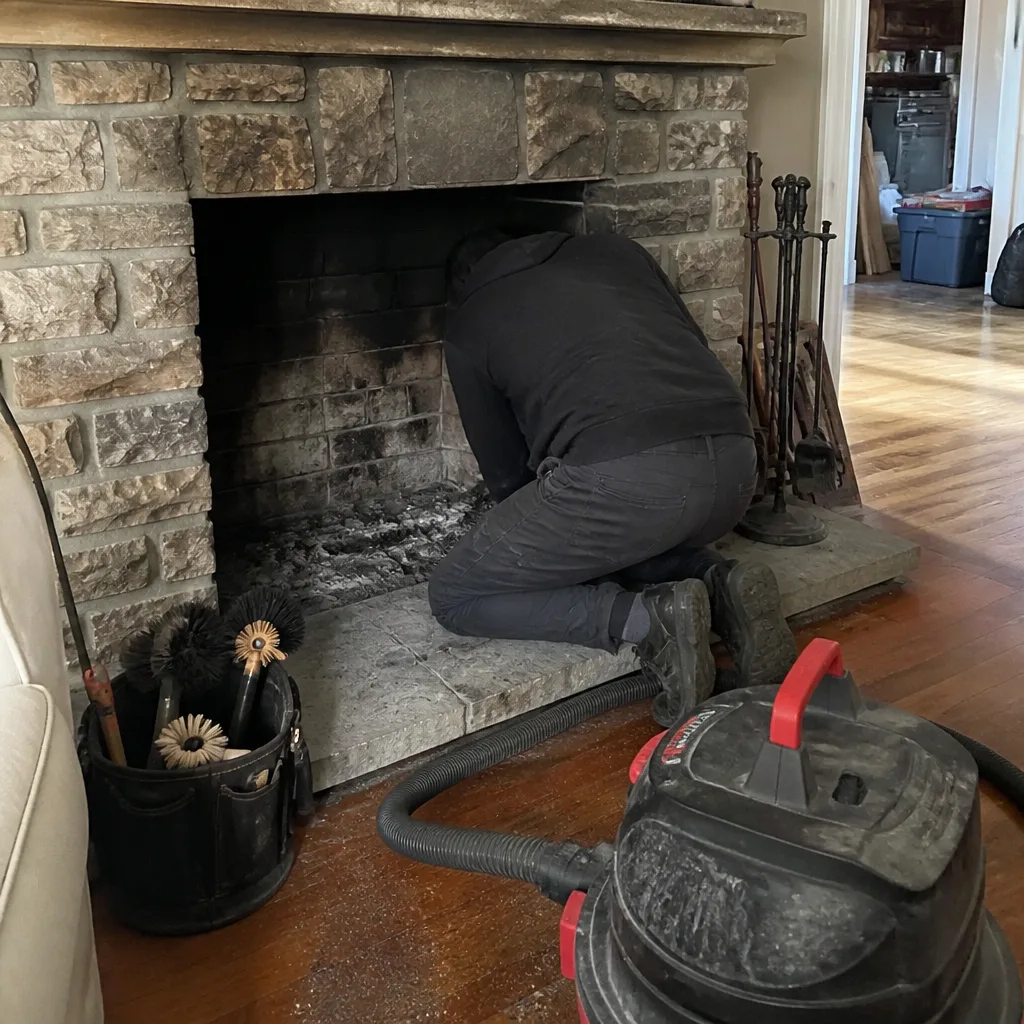
- Sweep the flue. Rotary brushes sized to the flue run the length of it, with the vacuum running the whole time, breaking up and capturing the creosote.
- Clean the firebox and smoke chamber. The areas below the flue collect what falls, plus their own buildup, and get their own attention.
- Inspect the result. A camera run down the flue confirms what was cleaned and reveals any cracks, gaps, or offset joints the brush couldn’t show.
- Document and report. Photos, a written summary, and a clear recommendation of anything that needs attention, with the option to price it from a written estimate.
Around Wakefield this sequence matters more than in some places because so many chimneys are older. A masonry chimney from a mid-century house has parging and tile joints that need a careful brush, not an aggressive one, and the only way to know it’s been handled correctly is the camera check and the report at the end. When you call, the company should tell you exactly what the visit includes before you book it. That’s the difference between a service and a visit.
How do you choose a chimney company in Wakefield?
Choose a chimney-only specialist, ask what the quote includes, and insist on a written report with photos. Those three things separate companies that do the work from companies that do a version of it. Everything else follows.
- Chimney-only focus. A company that lives in chimneys trains its technicians for the whole system from the flue to the crown. A plumber or roofer doing sweeps on the side is learning your chimney on the job.
- Honest scope in writing. You should know before the visit whether the inspection is included, whether you get a report, and what extra work would cost. We agree the price before booking for the agreed scope.
- Evidence before recommendation. A technician who shows you the camera photo before telling you what you need is a technician you can trust. One who tells you the liner is gone without showing you why is one to question.
- Professional-grade products. Caps and crowns from dedicated manufacturers like Gelco and Olympia Chimney, liner resurfacing with HeatShield, and stainless liners from a recognized line like DuraFlex all signal a company that works at trade level, not hardware-store level.
- Full capability in one call. Sweep, inspection, cap, crown, liner, and repair under one company means you’re not handed off to three different contractors who don’t talk to each other.
The local professionals we connect you with are licensed and insured as their state requires, and we work with a curated roster of recognized product lines so the right repair is matched to your actual flue. A company that only sweeps can’t resurface a liner, and a company that sweeps, inspects, caps, and repairs asks the right questions before recommending any of it. That’s Wakefield Chimney Sweep Pros in a sentence.
Common Mistakes to Avoid
- Choosing the cheapest quote before reading what’s in it. A price means nothing without the scope attached. Two sentences of “the cheapest quote excluded the inspection and the report. Read the scope, then compare the price.
- Skipping the annual service in an active heating season. Westchester County winters are long, and a chimney burned hard from fall through spring builds creosote quickly. A year off often means a heavier, more expensive cleaning next time.
- Going with a generic hardware-store cap. An ill-fitting cap can restrict draft or rust out in a couple of seasons. A dedicated unit sized to your flue does the job it’s meant to do.
- Believing a liner recommendation with no photo. If a technician tells you the liner is failing, ask to see it on the camera. No evidence, no recommendation.
- Letting a cracked crown go until spring. Water gets in, freezes over winter, and spalls the brick. Small crown cracks seal cheaply; a deteriorated crown is a rebuild.
- Assuming a gas fireplace doesn’t need service. Gas flues still collect soot and can be blocked by a bird’s nest or failing liner. The annual check applies to gas and wood alike.
- Not keeping the report. Your written inspection report is your record. Keep it for future service, home sale, and insurance.
See the difference
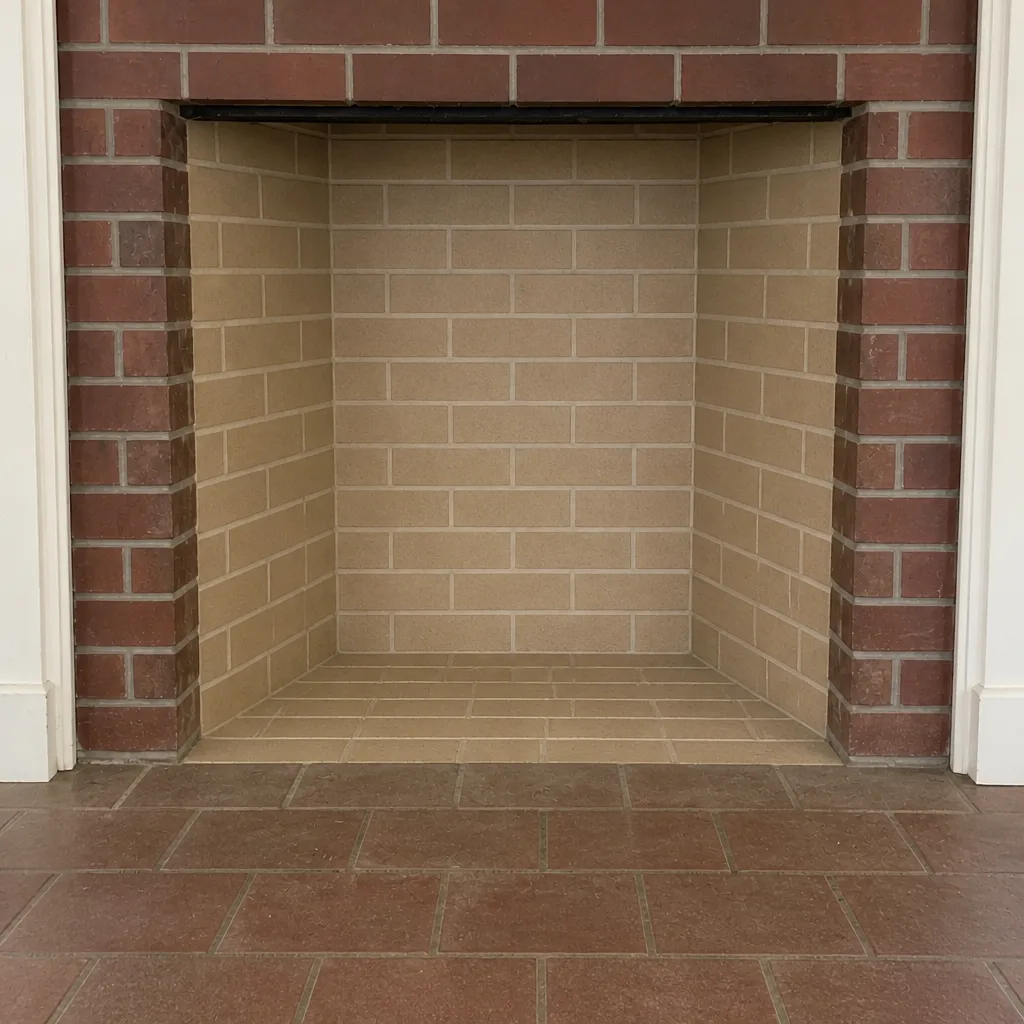
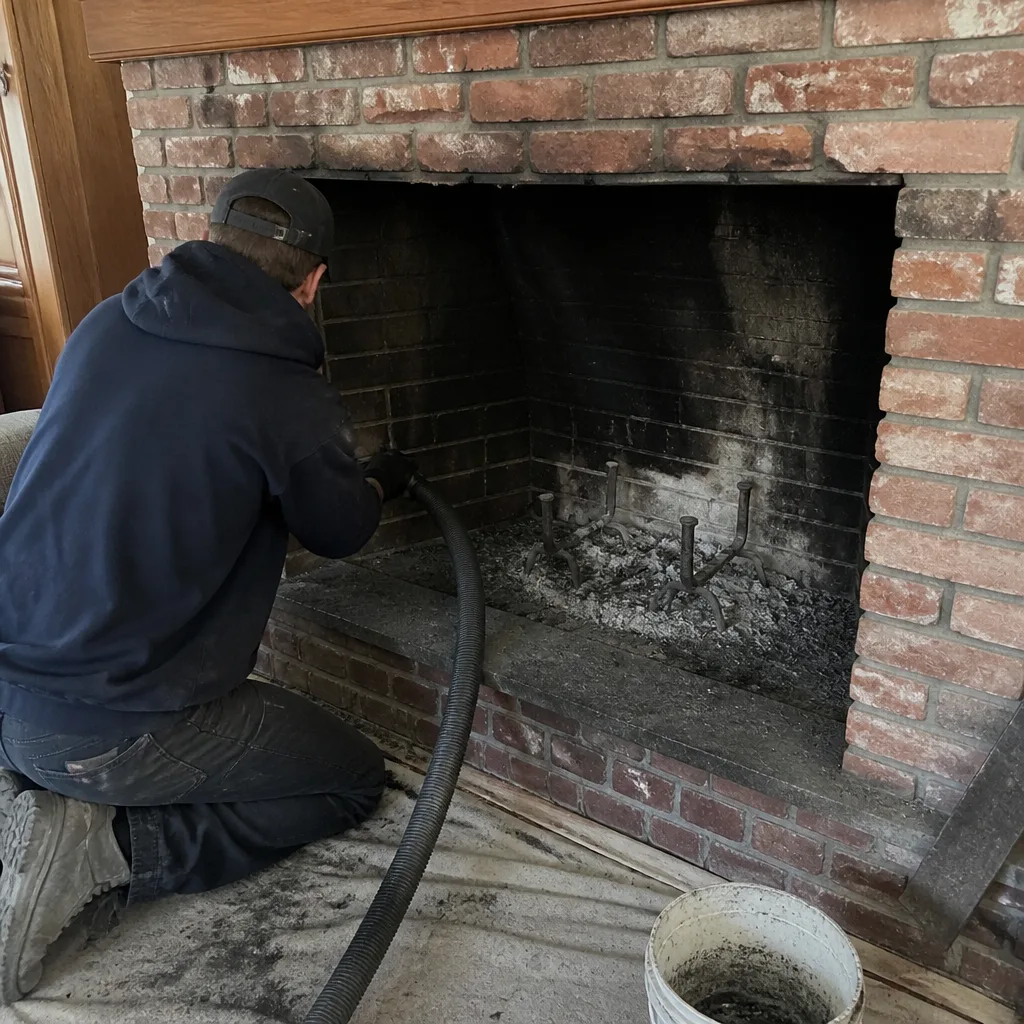 Before
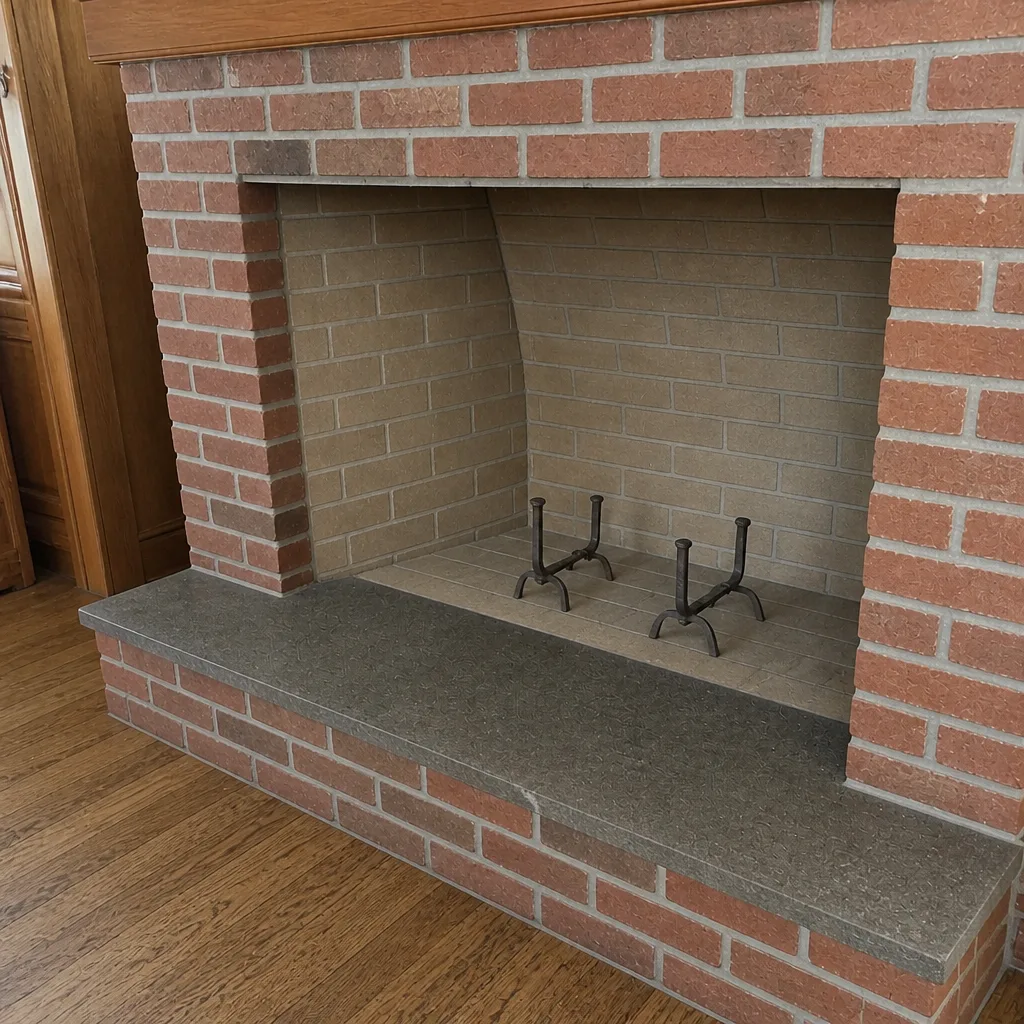 After
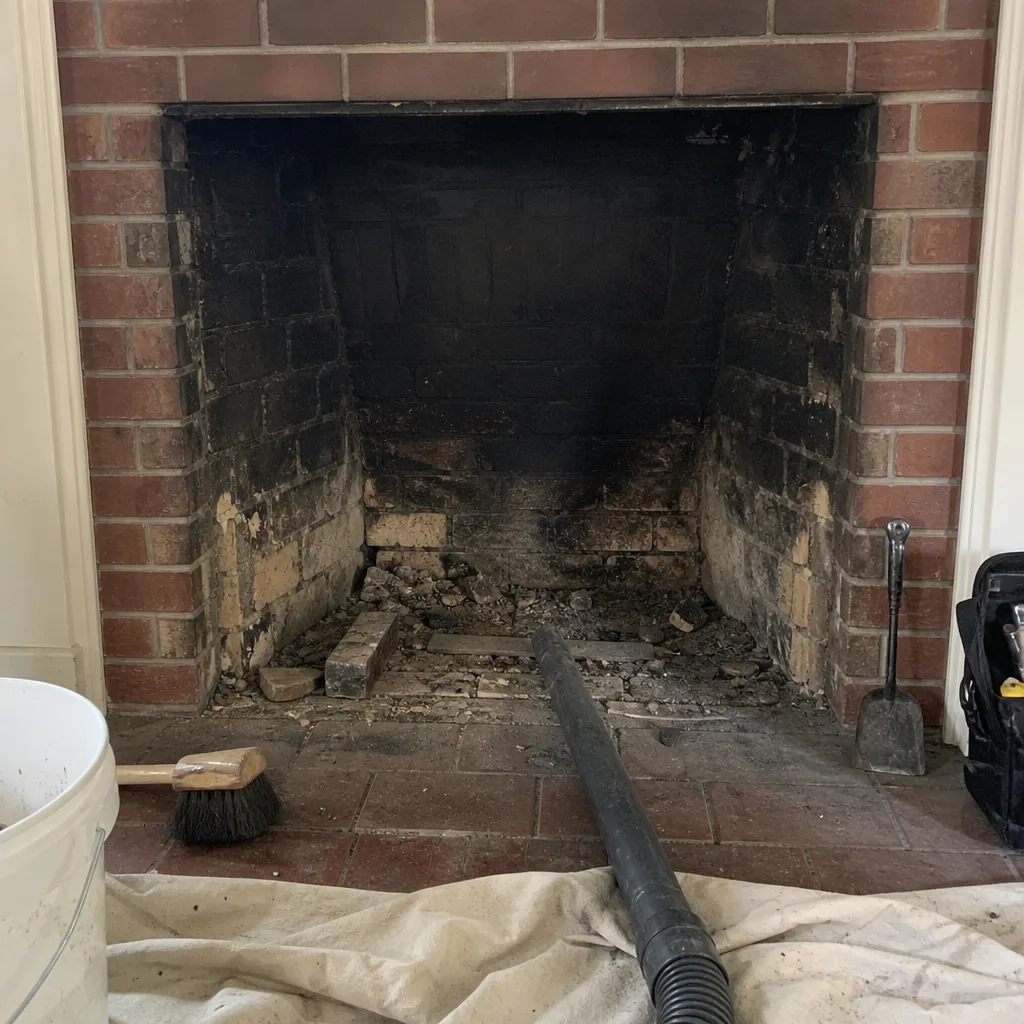 Before
 After
 Before
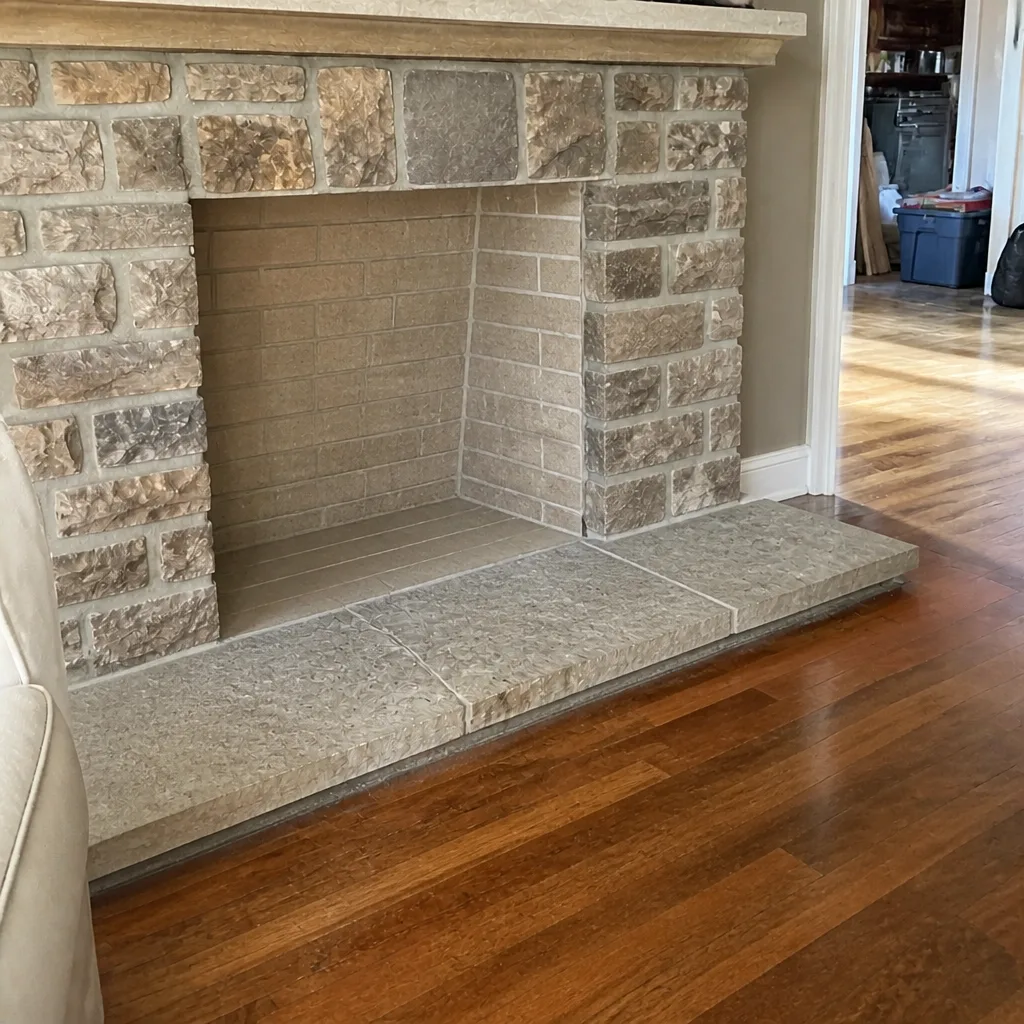 After
When to Call a Professional
Call a professional when it’s been a year since your last sweep, when you’re about to start using the fireplace for the season, when you’ve noticed a strong smoky smell or draft problems, or when you can see anything unusual at the flue or firebox. Call sooner if you spot visible cracks, if a piece of masonry has come loose, or if the fire isn’t drawing the way it used to. Those are signals the system needs a proper inspection from a chimney-only specialist, not a guess. The work is safety-critical: creosote is a fire hazard, and a blocked or damaged flue is a carbon monoxide risk. Wakefield Chimney Sweep Pros offers free estimates in Wakefield; call (855) 337-2076 to book an inspection and get a written estimate for any work. We answer 24/7, and fast dispatch from 7am to 7pm, Sunday through Friday.
Frequently Asked Questions
A standard chimney sweep in Wakefield typically runs $180 – $320, and a full-service cleaning that includes a Level 1 inspection and a written report usually costs $250 – $450. Heavier creosote, a second flue, or an insert can push the number higher, and the written estimate always sets the final price. Call (855) 337-2076 for an exact quote; estimates are free.
Maybe, and maybe not. A new liner is needed when the existing one is cracked, misaligned, or too small for the appliance, but a cracked liner that’s still structurally sound can often be restored with HeatShield resurfacing instead. The only way to know which applies is a camera inspection with photos you can see. Don’t accept a liner recommendation without the evidence; call (855) 337-2076 to get one.
Once a year is the standard recommendation, and more often if you burn frequently or burn unseasoned wood. In Westchester County, a full heating season of regular fires builds creosote faster than occasional use, so an annual sweep is the right baseline. If it’s been a year or more, call (855) 337-2076 and we’ll get you on the schedule.
Creosote builds up invisibly, and heavy creosote is a fire hazard; a blocked or damaged flue is a carbon monoxide risk. Skipping a sweep doesn’t remove the problem, it lets it grow, and what an inspection catches early can usually be repaired far more cheaply than what a late catch becomes. Call (855) 337-2076 before the problem becomes a repair; estimates are free.
Because they’re often not quoting the same work. One quote may exclude the inspection or the written report, or may not include a camera check, while another bundles everything into one visit. Compare the scope item by item, not the total, and ask each company what’s included before you book. Call (855) 337-2076 for a quote that spells out exactly what’s covered.
Yes, because it’s the only way to see inside the flue and confirm what condition the liner is in. A visual check can’t reach offset joints or the full length of the liner, and a camera inspection at roughly $100 – $200 often prevents a much larger repair by catching damage early. It’s also what lets a company show you the evidence behind any recommendation. Call (855) 337-2076 to book one.
The Bottom Line
Chimney cleaning prices in Wakefield vary because companies are quoting different things, not because one price is fair and another isn’t. A real sweep includes the cleaning, a Level 1 inspection, proper equipment, and a written report: that’s the $180 – $450 range for a standard job. Add-ons like a cap, a crown repair, a camera inspection, or waterproofing each carry their own price, and liner work ranges widely because resurfacing, stainless inserts, and cast-in-place liners are three different repairs for three different problems. Match the quote to the scope, insist on evidence before any recommendation, and remember that the cost of skipping a sweep is usually the cost of the repair it would have caught. What a few hundred dollars a year prevents is often several thousand later.
If you’re ready to see what your chimney actually needs, call Wakefield Chimney Sweep Pros at (855) 337-2076 for a free estimate. We answer 24/7, with fast dispatch from 7am to 7pm, Sunday through Friday. A chimney-only specialist will inspect first, show you what’s there, and quote any work from a written estimate before anyone picks up a tool.
Written by the team at Wakefield Chimney Sweep Pros.