
Last updated November 25, 2026
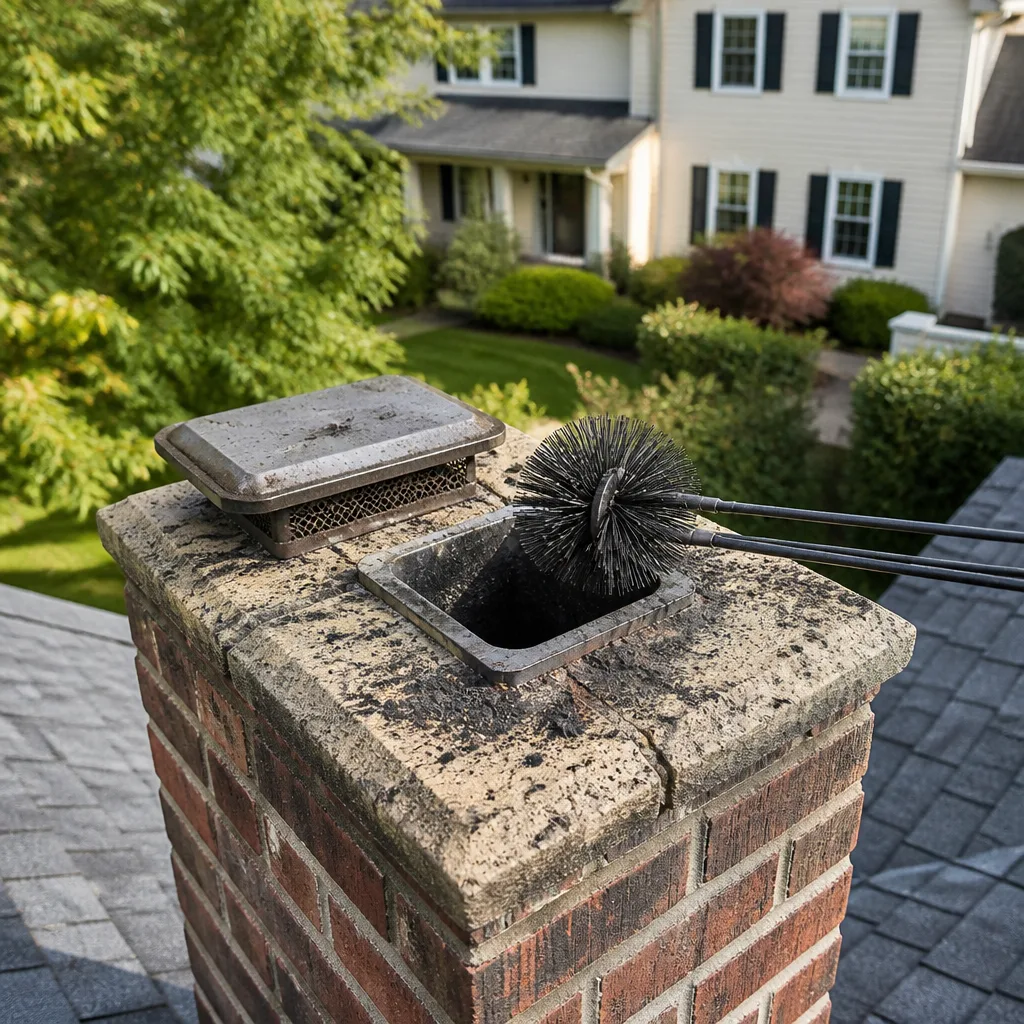 Sweep & inspection
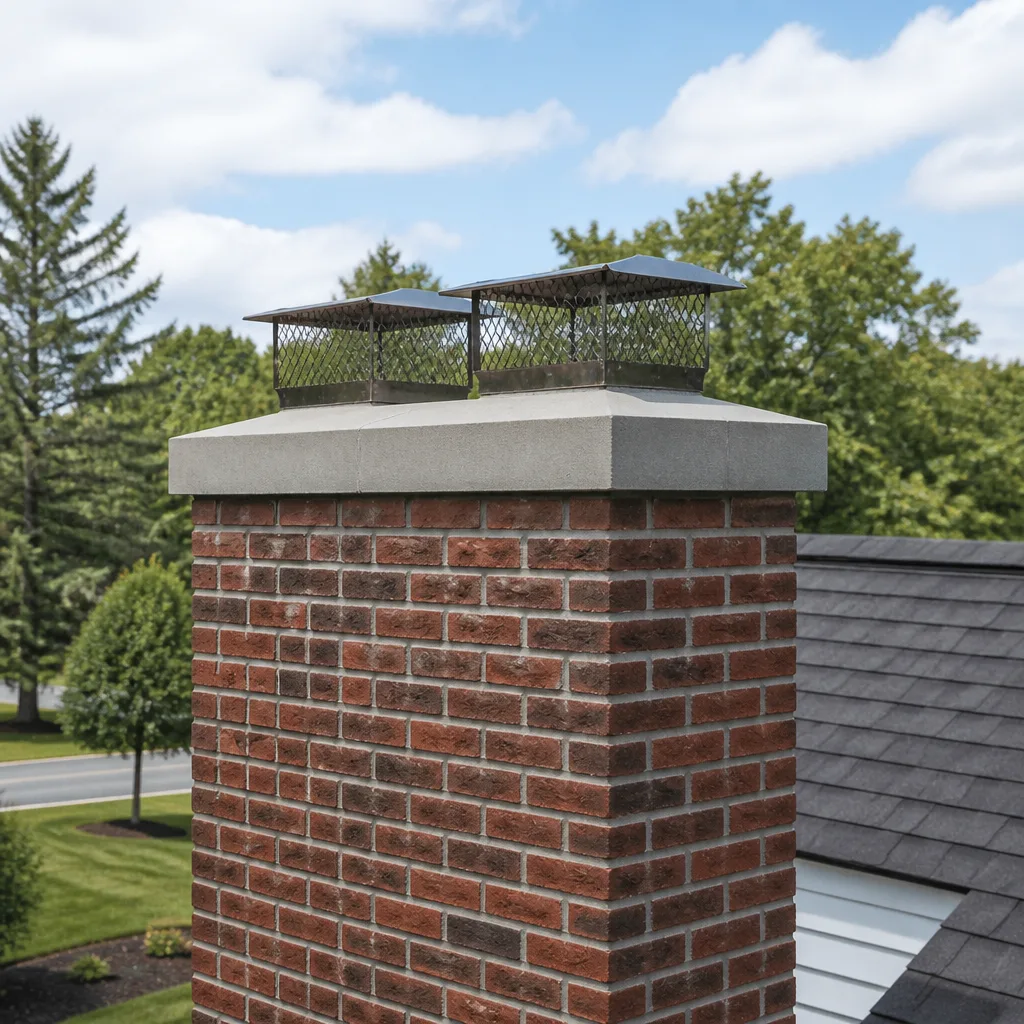 Caps & crowns
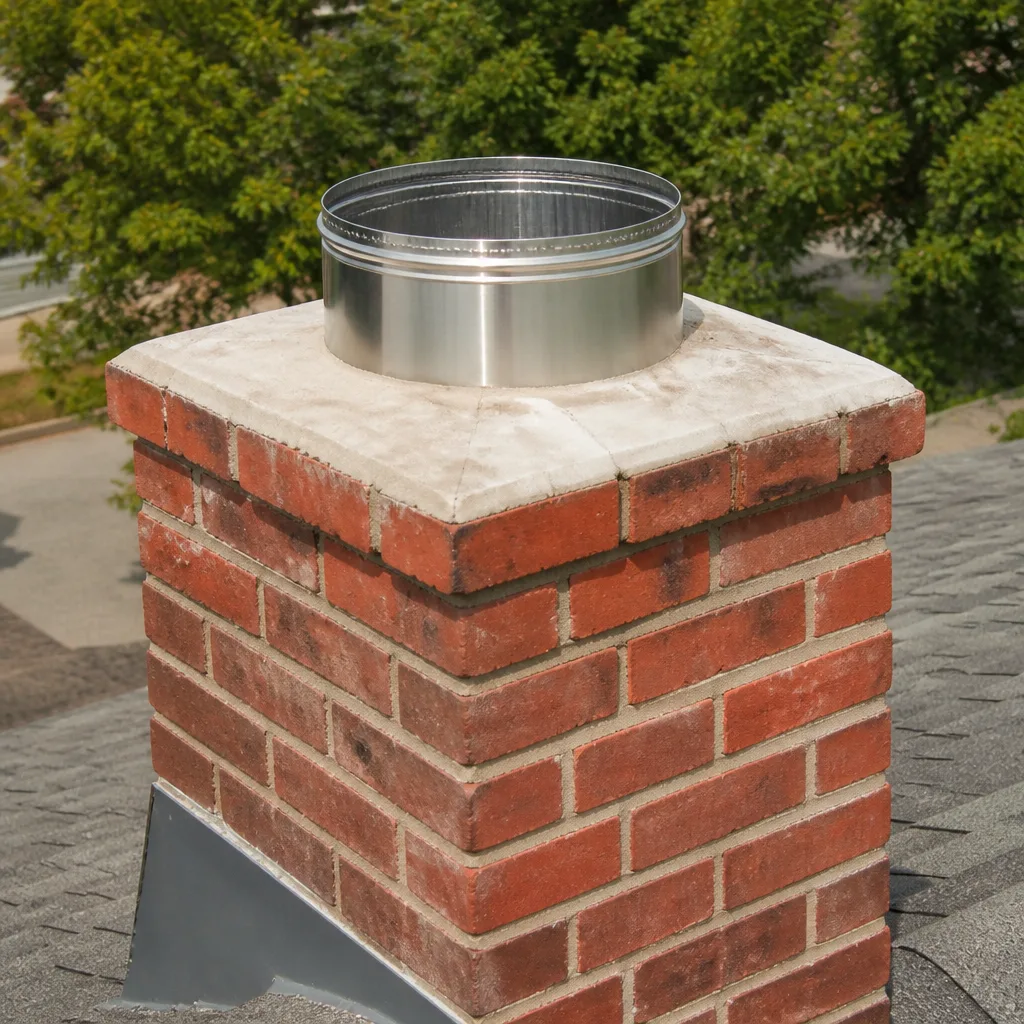 Flue relining
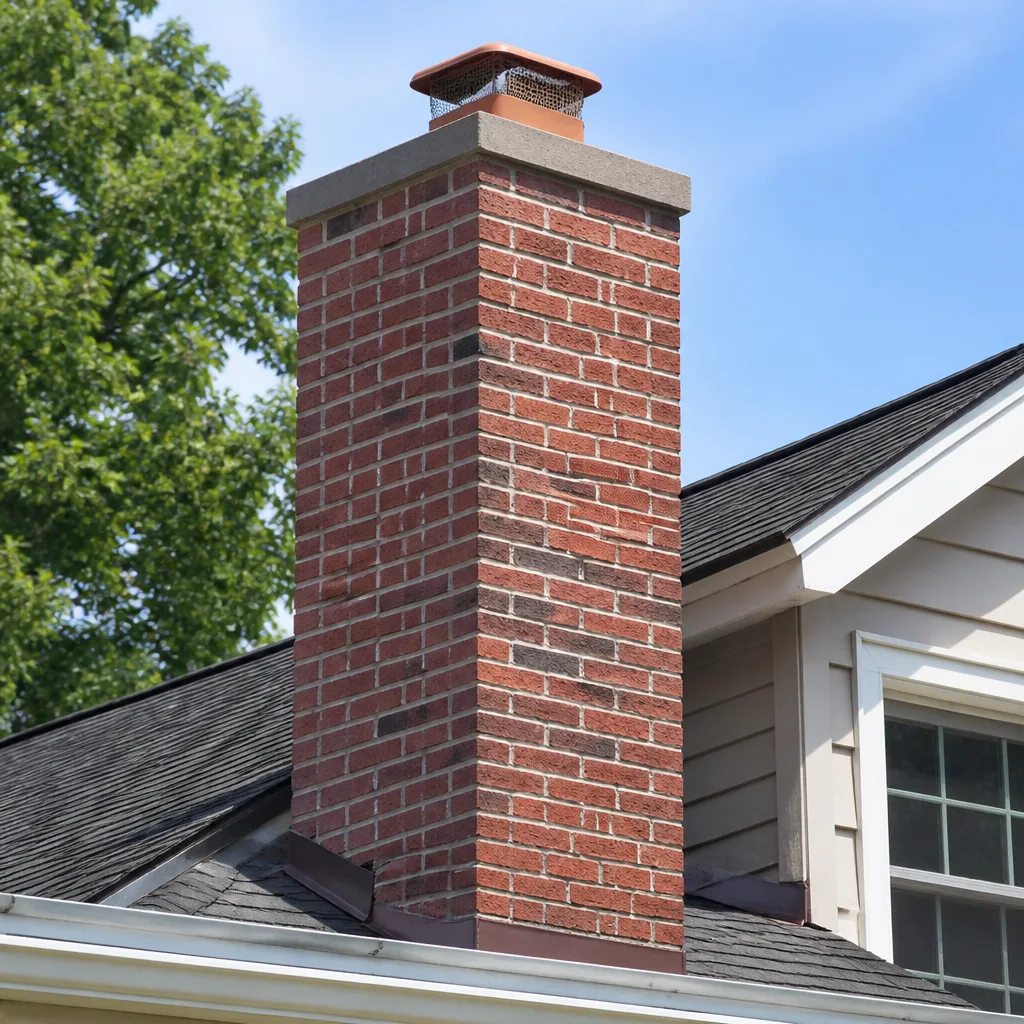 Masonry repair
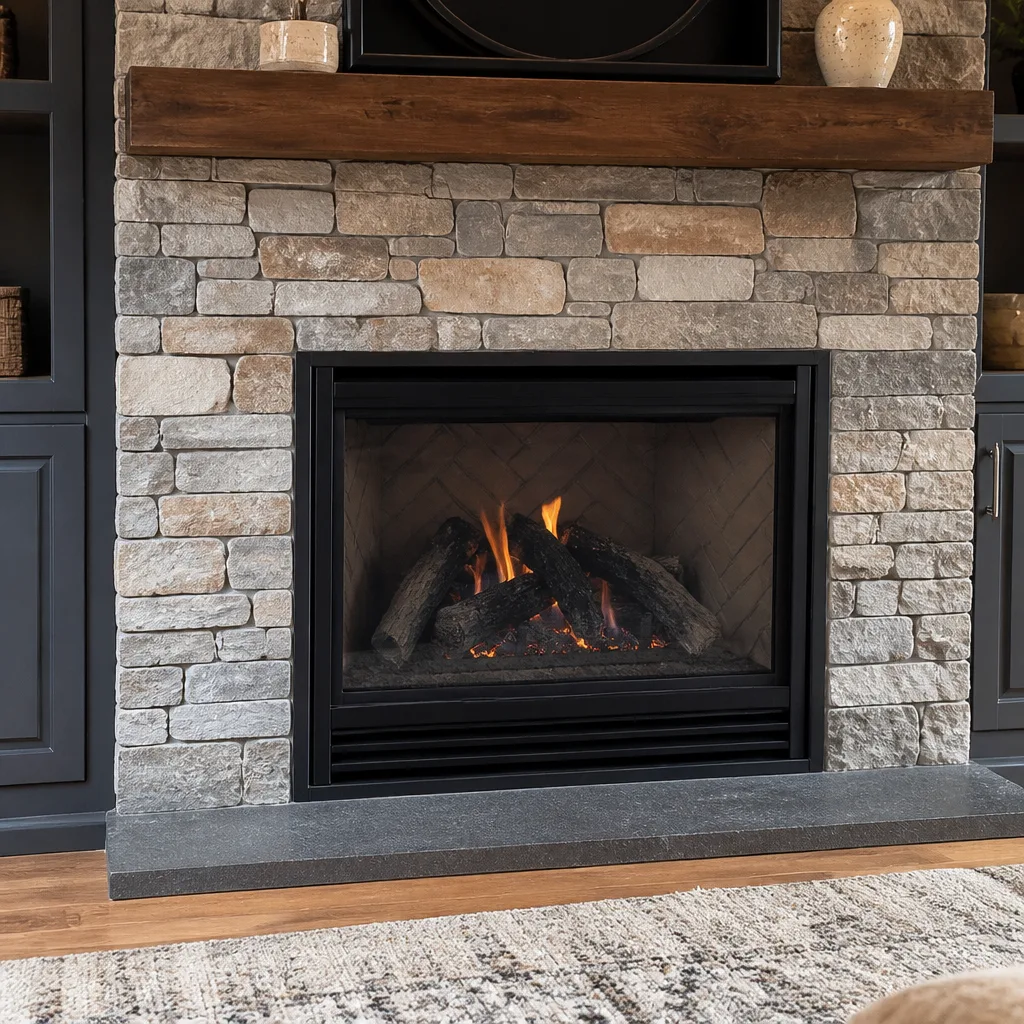 Gas fireplace service
Level 1 sweep and inspection to the NFPA 211 annual standard - flue, crown, cap, and flashing checked and photographed
Chimney sweep logs do not sweep chimneys. They loosen some creosote - which then falls where a brush and vacuum still have to collect it.
DIY vs Professional Chimney Cleaning: The Wakefield Homeowner’s Decision Guide
The chimney brush kit on the hardware store shelf is built for maintenance, not diagnosis. That’s the part most guides leave out. In a pre-1980s Wakefield home with a clay tile liner you’ve never had inspected, a brush pass tells you nothing about what’s happening behind the tile: the offset joints, the hairline cracks, the smoked-up chamber above the damper. You can spend an afternoon sweeping and still not know whether your chimney is safe to light. This guide gives you the honest version of the DIY question, the conditions where brushing your own flue really is enough, what a brush can never show you, and a four-question framework for deciding which category your Wakefield home falls into.
Quick Answer
DIY chimney cleaning is genuinely adequate for a lightly used fireplace with a straight, accessible flue, a sound liner you’ve had inspected, and dry hardwood as your only fuel. For anything else in Wakefield – an older masonry chimney with a clay tile liner, a flue with offsets, a fireplace that’s been burned hard, or a chimney that’s never been camera-inspected – a professional sweep is the only way to clean it safely and to know what condition it’s actually in. The brush removes creosote; only an inspection tells you whether the chimney can take another season.
Styles & brands we work with
- Sweep & inspection
- Caps & crowns
- Flue relining
- Masonry repair
- Gas fireplace service
Table of Contents
- The Honest Case for DIY Chimney Cleaning
- What DIY Cleaning Structurally Misses
- Equipment Reality Check: Vacuum Containment vs Drop Cloths
- The Liability Gap: DIY Sweeps and Insurance Claims
- A Four-Question Decision Framework for Your Wakefield Home
- What Professional Cleaning Costs and What You Get
- Common Mistakes to Avoid
- When to Call a Professional
The Honest Case for DIY Chimney Cleaning
We’ll say the unpopular thing first: a homeowner-performed sweep is not categorically wrong. There are real Wakefield fireplaces where brushing the flue once a season is genuinely sufficient, and paying a specialist to do it would be money spent on reassurance rather than on work that needed doing. The key is that DIY has conditions. When they’re met, brushing your own chimney is fine. When they’re not, DIY is a false economy that hides a problem instead of solving it.
DIY cleaning is appropriate only when all of these are true:
- The chimney has been professionally inspected within the last year. Not “looked at from the ground,” not “the previous owner said it was fine.” A camera inspection with a written report.
- The liner is in known-good condition. No cracks in the clay tile, no gaps at the joints, no signs of spalling. You can’t judge this with a flashlight from the damper.
- The flue runs straight. A straight flue can be brushed top-down or bottom-up with standard rods. An offset flue – one that shifts sideways partway up, common in older masonry chimneys – can’t be cleaned properly by a homeowner with a rod kit because the brush won’t follow the bend.
- Your fuel is dry, seasoned hardwood and nothing else. No cardboard, no wrapping paper, no pine scraps, no “starter logs.” Those materials load the flue with creosote faster than any brush schedule can keep up with.
- You burn lightly. A few fires a week in the cold months is light use. Burning daily through a Wakefield winter builds creosote faster than the once-a-year rule assumes.
- You have the right tools and can work safely on the roof or at the firebox. If your roof is steep, high, or you’re not comfortable working near the crown, the list ends here.
If any one of those conditions fails, the calculus tips toward a professional sweep. Most Wakefield homeowners who attempt DIY fall into that group – not because they lack the ability, but because they have no way to confirm the inspection and liner conditions before they start brushing.
What DIY Cleaning Structurally Misses
A brush cleans the inside surface of the flue. That’s it. It’s a mechanical action against the walls, and it does that job well, but the chimney is a system and the brush only touches one part of it. Here’s what a brush pass can never show you, and what a camera inspection does.
Liner Cracks
Clay tile liners crack. They crack from thermal shock, from moisture freezing in the pores, from a chimney fire that ran hot for a few minutes years ago. A hairline crack in a tile joint looks small. It’s also the pathway that lets heat and combustion gases reach the wood framing of the house. A brush doesn’t tell you it’s there. A camera run down the flue does, and that’s why the inspection matters more than the cleaning when a chimney has never been opened up.
Smoke Chamber Deterioration
The smoke chamber is the sloped area just above the damper, and it’s the part of the chimney most often neglected. It’s built from corbelled masonry, which means it has ridges and ledges where creosote collects and where the mortar between the bricks can wash out and spall. A brush can’t reach the corners of a corbelled smoke chamber. A sweep with the right tools can, and a camera inspection tells you whether the chamber needs parging or resurfacing with a product like HeatShield before it turns into a structural repair.
Offset Flue Joints
Not every chimney goes straight up. Older Wakefield houses sometimes have a flue that offsets to clear a structural beam or route around a second-floor fireplace. The joint where the flue changes direction is a creosote trap, and it’s the section a homeowner brush cannot route through. A professional sweep carries flexible rods that follow the bend, and a camera confirms the joint is clean and sound.
Crown Damage
The crown is the concrete cap at the very top that sheds water away from the flue. When a crown cracks – from freeze-thaw, from settlement, from a bad pour at install – water gets into the chimney structure and starts the cycle of spalling brick and failed joints. You can’t see the crown from the ground with any confidence. You can see it from the roof, and a professional inspection checks it as a matter of course. A cracked crown on a Wakefield chimney isn’t cosmetic; it’s the entry point for the most expensive repair on the system.
None of this means DIY cleaning damages a chimney. It means DIY cleaning can’t tell you whether the chimney was safe before you started, and it can’t tell you whether it’s safe after you finish. The brush does maintenance. The inspection does diagnosis. They’re different jobs.
Equipment Reality Check: Vacuum Containment vs Drop Cloths
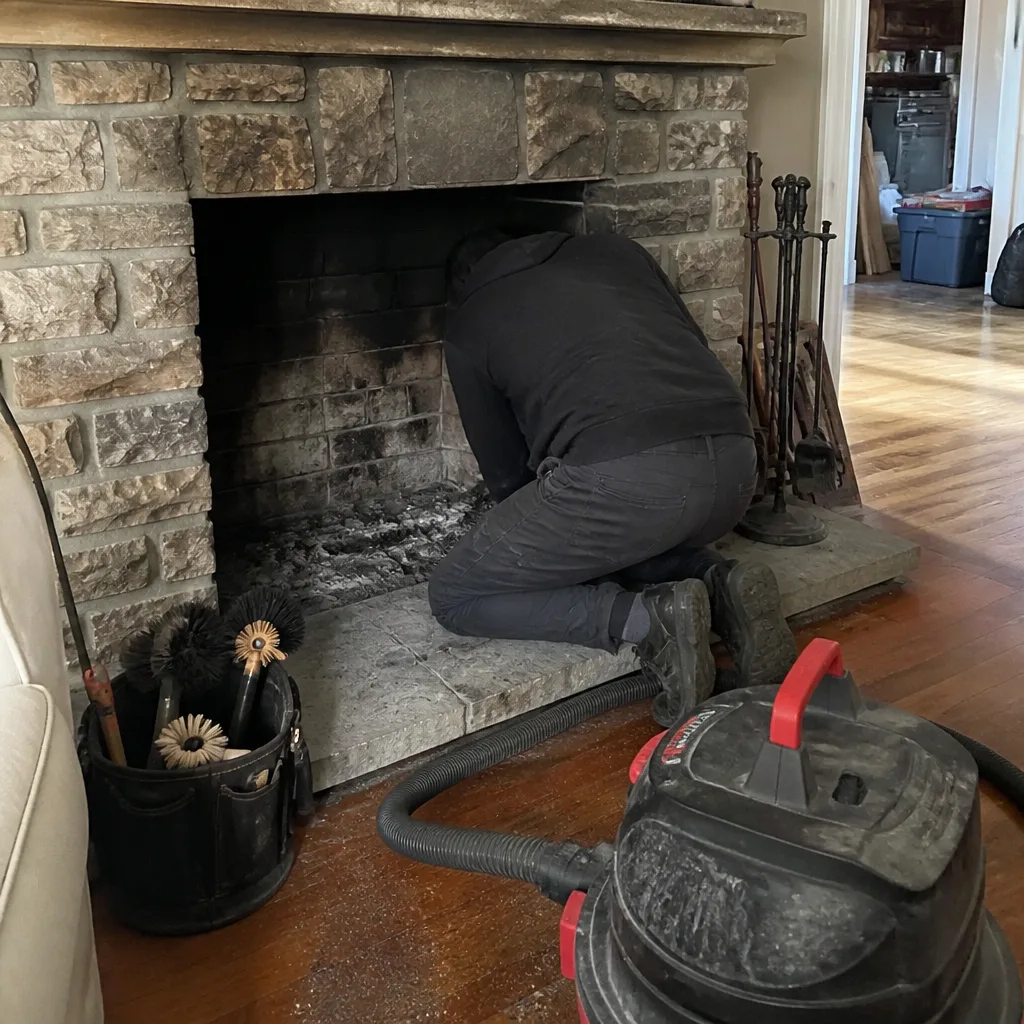
Anyone who has swept a chimney from inside the house knows the dust. Fine, grey-black soot settles on everything within ten feet of the firebox, and it finds its way onto bookshelves, curtains, and the inside of the glass front on the wood stove. A homeowner’s typical setup is a plastic drop cloth taped to the hearth, a mask, and a shop vac. That’s the right instinct, but it isn’t containment.
A professional sweep runs a high-volume HEPA vacuum with a sealed connection to the firebox, often with a length of flexible hose feeding the brush head through the vacuum port. The vacuum pulls a slight negative pressure in the firebox while the brush is running, which means the soot gets pulled into the vacuum rather than settling in the room. A shop vac and a drop cloth don’t do that. They catch what falls and lose the rest into the air. If you’ve got a newborn, a family member with asthma, or a light-colored carpet in the living room, the difference is the whole ballgame.
There’s also the roof side. A professional sweep using roof access has ladders, roof boots, and a working knowledge of where it’s safe to stand on a pitched roof and asphalt shingle. A homeowner on a steep roof in November with a rod kit and no fall protection is taking a real risk for a task that can be done from the ground with the right tools.
The vacuum containment matters beyond the room, too. A shop vac used on chimney soot without HEPA filtration can blow fine particulates back into the living space through its exhaust. That’s the kind of detail that separates “cleaned the chimney” from “cleaned the chimney without making the house worse.” A professional setup handles it. A consumer kit usually doesn’t.
The Liability Gap: DIY Sweeps and Insurance Claims
Homeowners rarely ask this question until it matters, and by then it’s too late to change the answer. If a chimney fire damages your Wakefield home and your insurance company asks for records of your chimney maintenance, a DIY sweep leaves you with nothing to show.
Insurance policies vary, and we don’t tell anyone what their policy says. But the pattern is consistent enough to plan around: most homeowner policies cover chimney fires as a covered peril, and most of them expect the homeowner to demonstrate reasonable maintenance when a claim is filed. A professional sweep produces a written record – date, findings, condition of the flue, recommendations. A homeowner with a brush and a shop vac produces nothing. If the fire happens within twelve months of your last self-sweep, and the carrier asks what maintenance the chimney had received, the honest answer is “I brushed it myself, and I have no documentation.” That answer does not help you.
The reverse also holds. A documented professional sweep with an inspection report saying the liner had cracks and needed replacement – and the homeowner hasn’t done the work – is a liability problem too. The point isn’t that professional cleaning guarantees a claim. It’s that a written record of condition is the thing that protects you, in both directions. You want to be able to show the chimney was inspected, the findings were explained, and the work recommended was done.
If you’re selling a Wakefield home, the inspection report is also a closing document. Buyers ask for chimney records. A stack of annual sweep reports answers the question in a way a verbal “we kept it clean” doesn’t.
A Four-Question Decision Framework for Your Wakefield Home
Before you decide DIY is appropriate, answer these four questions honestly. If any answer is uncertain, that’s your signal to book a professional inspection first – not a sweep, an inspection – and let the report drive the decision.
- When was the last camera inspection, and do you have the report? Not “when did we last sweep it.” When did someone put a camera in the flue and write down what they found. If the answer is “never,” the chimney is an unknown, and brushing an unknown flue is guessing.
- What’s the liner material, and how old is it? A stainless liner installed recently is a different maintenance picture from a clay tile liner in a 1950s house. Older clay tile chimneys in Wakefield see real freeze-thaw cycling, and tile cracks are common in those chimneys. If you don’t know the liner’s age and condition, that’s a professional-inspection question.
- What does your burning look like? Amount, fuel type, and frequency matter more than most homeowners realize. A fireplace burning dry oak two or three nights a week is a light-use chimney. A wood stove running daily through January is a higher-load system with a faster creosote schedule. DIY cleaning fits the first category better than the second.
- Can you access the flue safely and completely? Roof pitch, chimney height, whether the flue has offsets, whether the damper opening lets the brush through. If you’re shimmying along a low-pitch roof in a light coat with a rod kit, that’s your answer.
If you can answer all four with confidence and the answers land on the light-maintenance side, brush away. If any one is a “don’t know,” the responsible next step is a chimney sweep and inspection from someone who can see what you can’t.
What Professional Cleaning Costs and What You Get
A routine sweep in the Wakefield area typically runs in the $150 to $350 range for a standard chimney, with the final estimate set per job in writing before any work starts. A full inspection as a standalone service sits in a similar range, and a chimney that needs both runs toward the higher end. The written estimate is the number that matters – prices vary by chimney count, roof access, and how much creosote has to come out.
| Service | Typical Wakefield Range | What It Covers |
|---|---|---|
| Standard chimney sweep | $150 – $250 | Brushing the flue, firebox, and smoke shelf; vacuum containment; removal of creosote and soot |
| Level 2 camera inspection | $200 – $350 | Full video scan of the flue from firebox to crown; written report with photos; structural findings |
| Sweep + inspection combined | $300 – $450 | Best for a chimney with no recent inspection history; cleans and documents condition in one visit |
| Crown or cap repair | Quoted per job | Assessed after inspection; written estimate before work |
The estimate is free and the price is set per job by the written estimate. What you’re paying for at the upper end isn’t just the brushing – it’s the documentation and the camera evidence. A homeowner who intends to stay in the Wakefield house for years gets a maintenance record out of the deal that pays back the first time insurance or a buyer asks for it.
The alternative – a $30 brush kit and a Saturday afternoon on the roof – looks cheaper until you add in the ladder, the HEPA-capable shop vac, the drop cloths, and the reality that none of it tells you whether the flue is sound. The professional sweep isn’t competing against the cost of a brush. It’s competing against the cost of not knowing.
Common Mistakes to Avoid
- Brushing without an inspection first. A brush pass on a chimney that was never inspected is sweeping blind. The cracks and joints are exactly what you can’t see from the firebox – and exactly what the brush won’t fix. Get a camera inspection before you decide the chimney is a light-maintenance case.
- Using the wrong vac. A standard shop vac used on chimney soot without HEPA filtration blows fine particulates back into the room through the exhaust. That’s not a small detail in a living room with upholstery and a carpet – it’s the reason professional sweeps run sealed containment.
- Treating “burned it hot once” as a cleaning strategy. A hot fire does not clean a flue. It can fire-glaze the creosote into a hard deposit that standard brushes don’t remove and that only a rotary sweep or chemical treatment can break down. That’s a professional job.
- Burning the wrong fuel and blaming the brush. Cardboard, wrapping paper, pine scraps, and starter logs load the flue with creosote faster than any maintenance schedule keeps up with. If your flue is greasy at the annual sweep, check the fuel before blaming the cleaning.
- Forgetting the crown and cap. In Wakefield, freezing and thawing cycles work on the masonry every winter. A cracked crown lets water into the structure and spalls the brick from the inside. A chimney cap & crown check belongs on the annual visit, and a Gelco or Famco cap is a different product from the hardware-store version.
- Ignoring a flue with an offset. Older masonry chimneys with an offset flue trap creosote at the bend. A straight rod kit can’t follow the joint. If the brush doesn’t make the full run, the chimney isn’t clean – and the owner usually doesn’t know it.
- Doing the work without a record. A self-sweep with no written documentation leaves you with no answer if a fire occurs and the insurer asks what maintenance the chimney received. That record is what protects the homeowner, and it’s a real reason the professional visit pays back.
When to Call a Professional
Call a professional when the chimney has never been camera-inspected, when you don’t know the liner material or its age, when the fireplace has been burned hard through several winters, or when you’ve noticed anything unusual about how the fireplace draws or smells. Call when the roof is steep or the chimney is high enough that brushing it yourself would mean working on a pitch without the right gear. Call when you’re selling the house and need a documented inspection. And call when the sweep you attempted doesn’t leave you confident the flue is clean all the way up.
Chimney problems don’t announce themselves. They smolder, they draft poorly, they occasionally smell like a campfire in the room. A fire needs fuel, oxygen, and a spark – and a creosote-loaded flue supplies two of the three. Wakefield Chimney Sweep Pros offers free estimates in Wakefield – call (855) 337-2076. We answer 24/7. Fast dispatch from 7am to 7pm, Sunday through Friday. Every visit includes camera inspection and a photo report, and nothing is recommended that you can’t see for yourself.
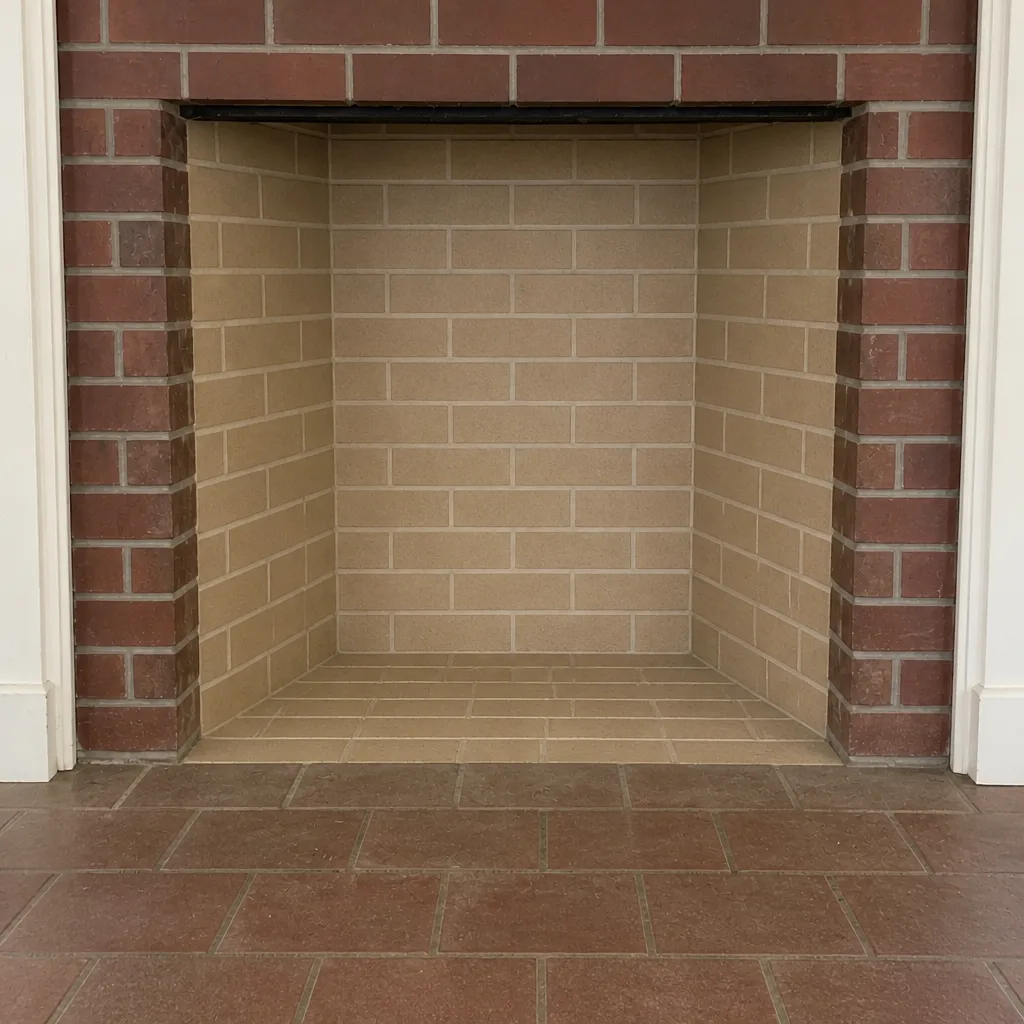
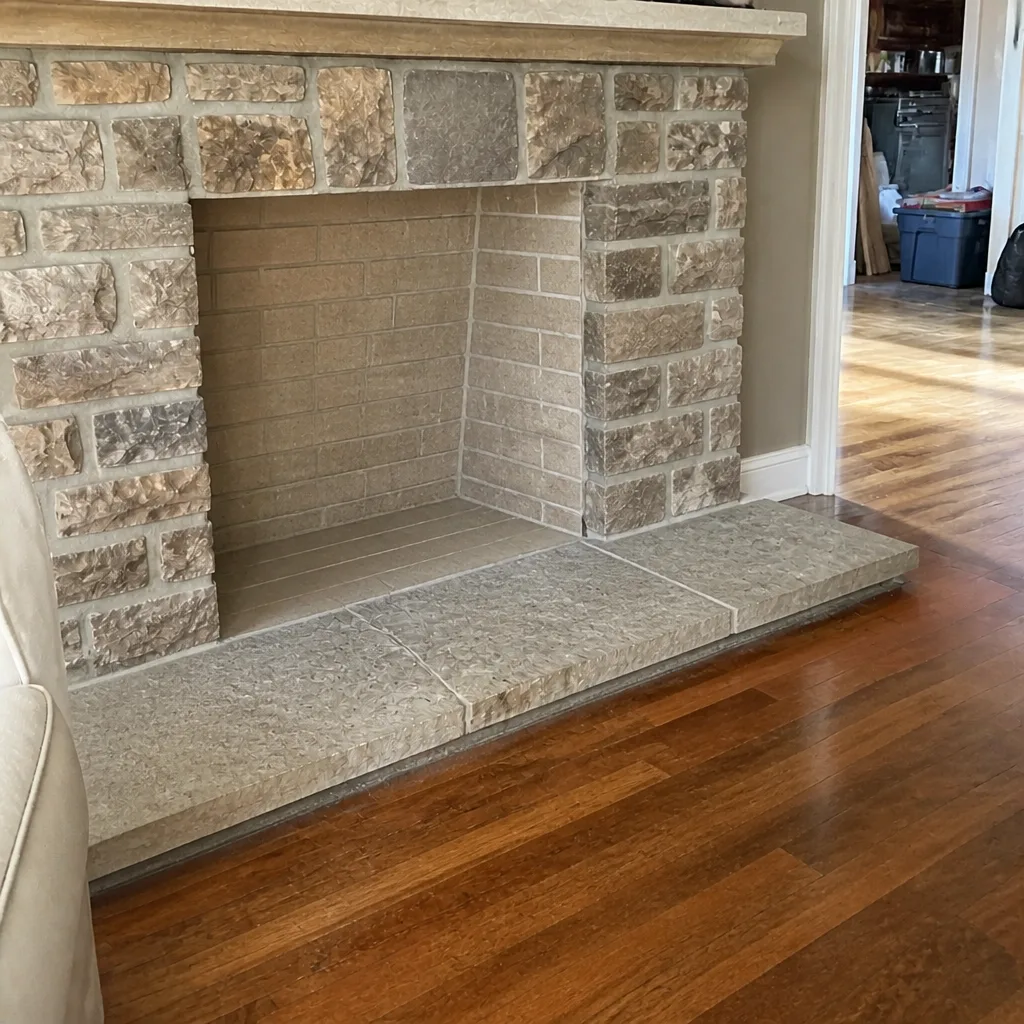
See the difference
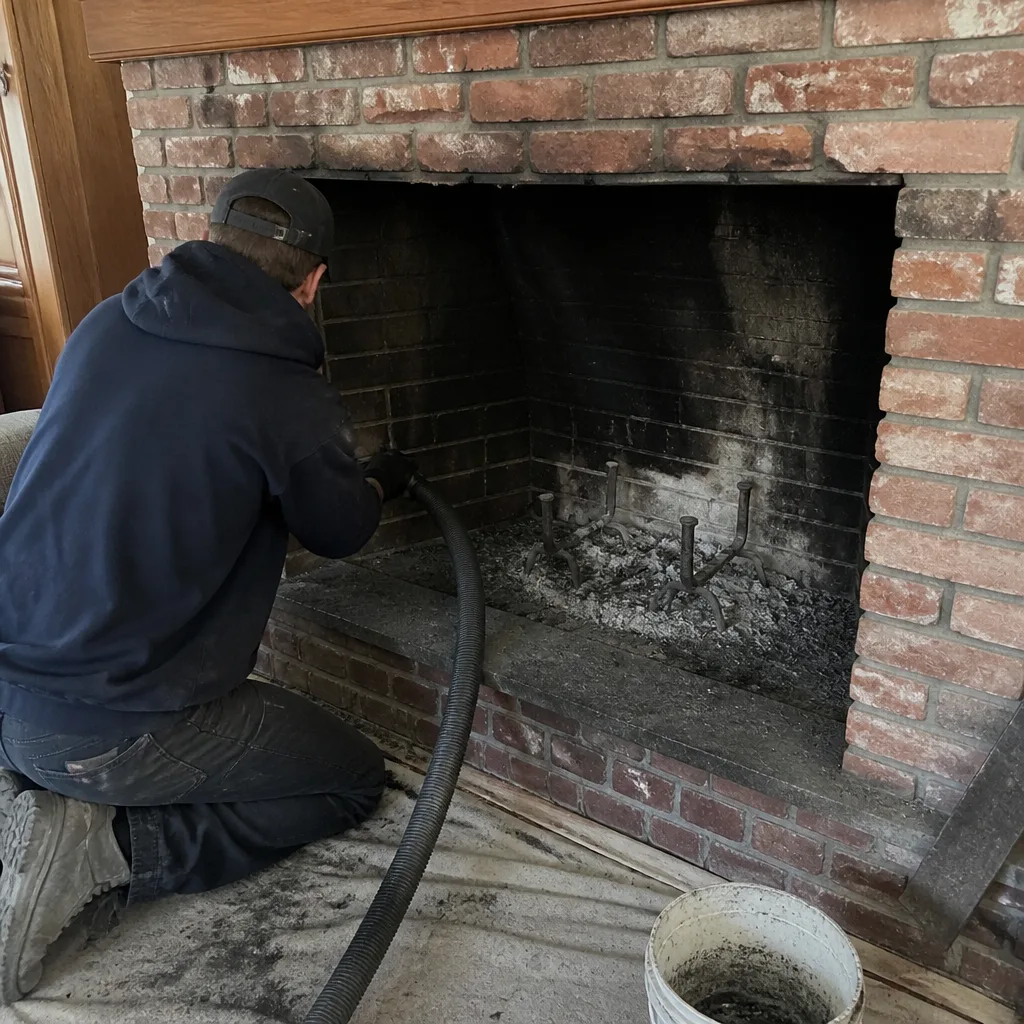 Before
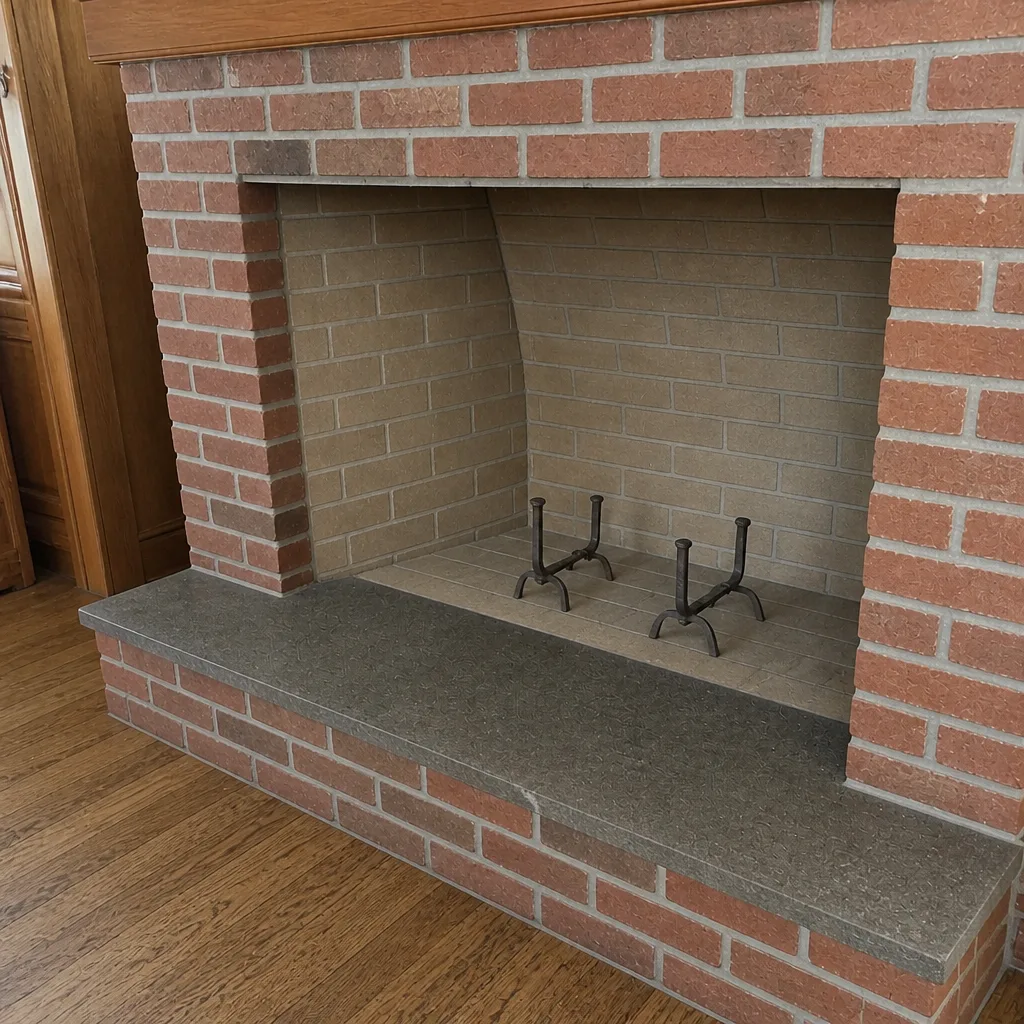 After
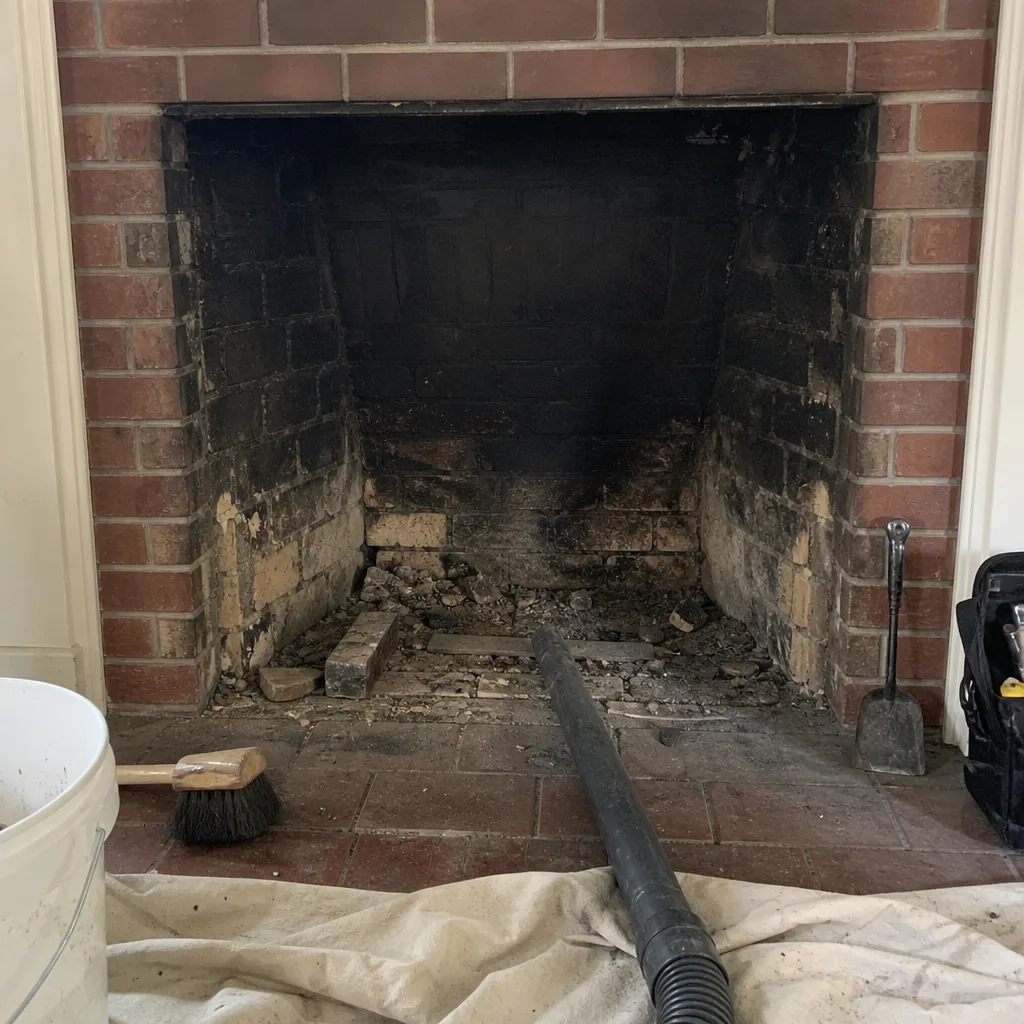 Before
 After
 Before
 After
Frequently Asked Questions
It’s safe when the chimney has a recent professional inspection, a sound liner, a straight flue, and light use on dry hardwood. It’s not safe when any of those conditions is missing, because the two things most likely to hurt you – a cracked liner and an offset flue joint – are exactly what a homeowner brush can’t see or reach. If the chimney has never been inspected, a professional sweep should come first.
Once a year for a wood-burning fireplace under light use, and more often if you burn daily through the winter or use a wood stove. The rule of thumb the trade uses is that a flue needs cleaning when the creosote reaches about a quarter inch of buildup, and that can happen well before a full year of heavy burning. If you’re not sure when it was last swept, that’s your answer: book it.
A standard poly brush on clay tile in good condition won’t damage the liner. The risk is a liner that’s already cracked – and that’s a problem the brush didn’t cause but can’t reveal. Occasionally a badly spalled tile will come loose during brushing, which is a sign the liner needs replacement, not that the sweep caused damage. That’s why the inspection comes first.
A professional sweep runs a sealed HEPA vacuum that pulls soot out of the room while the brush works, uses flexible rods that follow offset flue joints, and – most importantly – runs a camera through the flue to document what’s actually in there. DIY cleaning handles the surface of the flue. The professional visit handles the surface and the diagnosis, and leaves a written record of the chimney’s condition that a homeowner has no way to produce on their own.
It can, if a fire occurs and the insurer asks for maintenance documentation. A self-sweep produces no written record. A professional sweep and inspection produces a dated report with findings and photos, which is the documentation a claim requires. Policies vary, so check your own – but the general pattern is that a written record of professional maintenance makes a claim easier to process, not harder.
Sometimes, but not as often as homeowners fear. A camera inspection often finds a liner that’s tired but serviceable, and that can be restored with a resurfacing system like HeatShield rather than replaced with a full stainless liner. DuraFlex stainless liners cover the replacement case when the tile is compromised enough to need it. Nothing is recommended without camera evidence you can see, and part of the conversation is often about which work can safely wait until a later season.
The Bottom Line
DIY chimney cleaning isn’t the wrong choice – it’s the wrong choice when the conditions aren’t verified first. For a lightly used Wakefield fireplace with a straight flue, a recent inspection, and dry hardwood as the only fuel, a homeowner brush is maintenance and it’s enough. For a pre-1980s chimney with a clay tile liner you’ve never had camera-inspected, brushing replaces the diagnosis you actually need. The difference between the two is one inspection report, and that’s a report worth having whether you sweep the chimney yourself afterward or not.
If you book the inspection with Wakefield Chimney Sweep Pros, you’ll see what we see on a screen before anything is recommended. We work from professional-grade products – a DuraFlex liner when replacement is necessary, a HeatShield resurfacing to restore a tired liner, a Gelco cap or crown work when the top of the chimney needs rebuilding – and the recommendation is always inspect first, then decide. That’s the whole job, from the flue to the crown.
Call (855) 337-2076 for a free estimate. We answer 24/7. Fast dispatch from 7am to 7pm, Sunday through Friday. Repairs, inspections, and full chimney work are quoted per job with a written estimate before any work begins. If your chimney is damaged and needs chimney repair, that starts with the camera report too. Explore the full range of work at Wakefield Chimney Sweep Pros.
Written by the team at Wakefield Chimney Sweep Pros.