
Last updated November 25, 2026
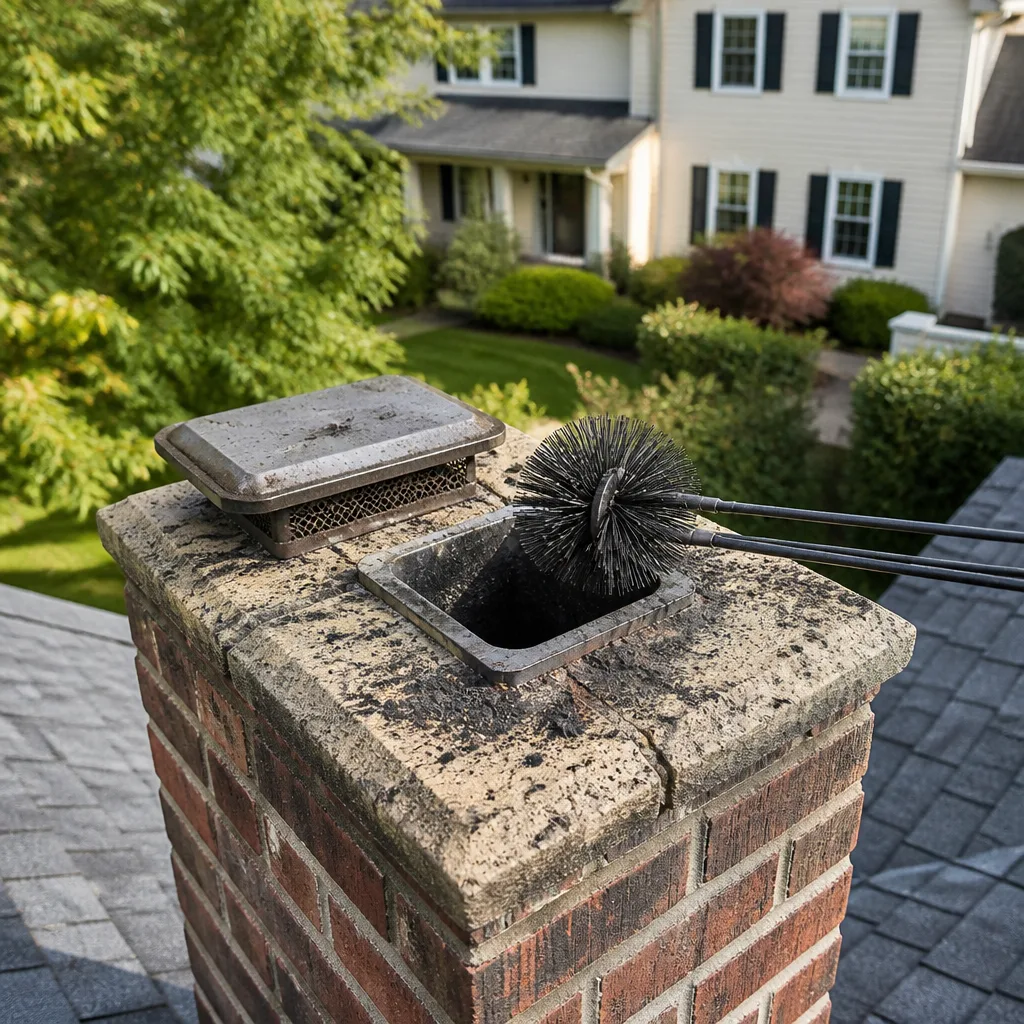 Sweep & inspection
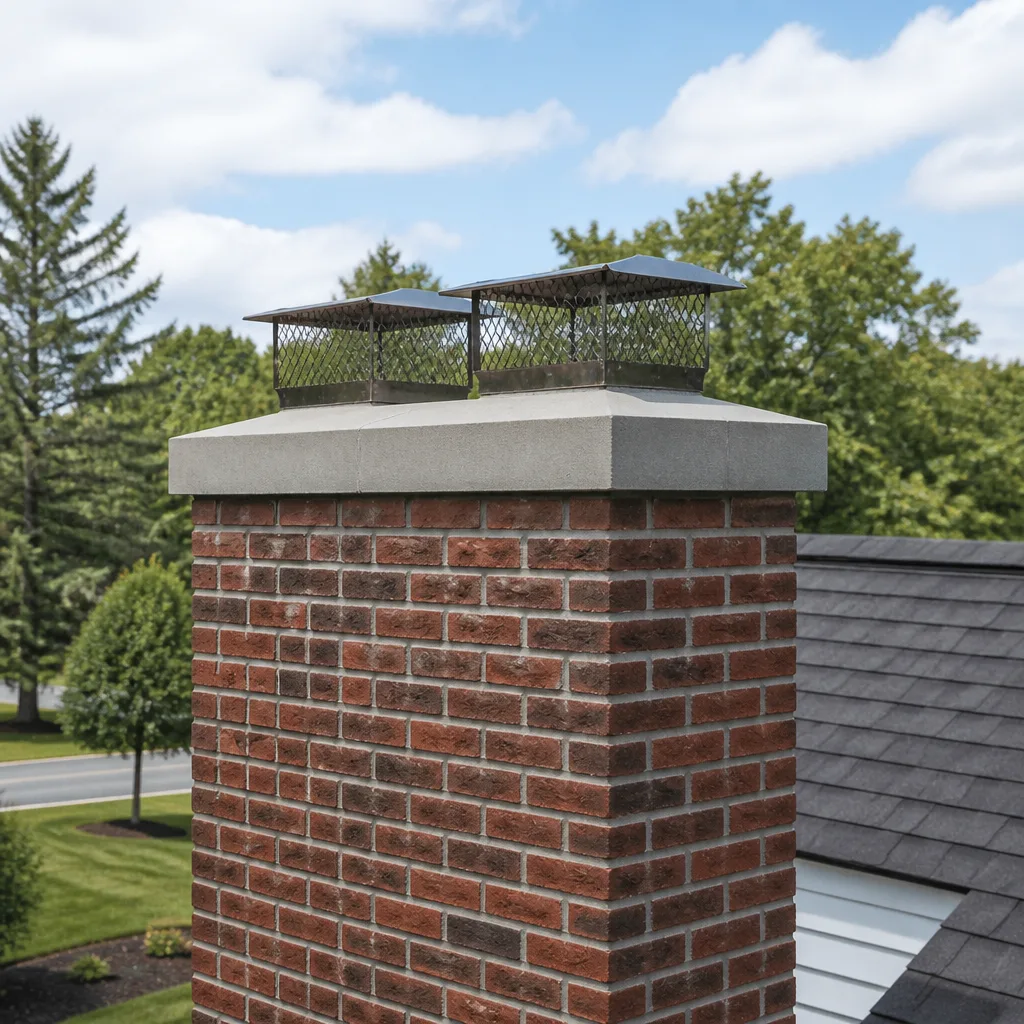 Caps & crowns
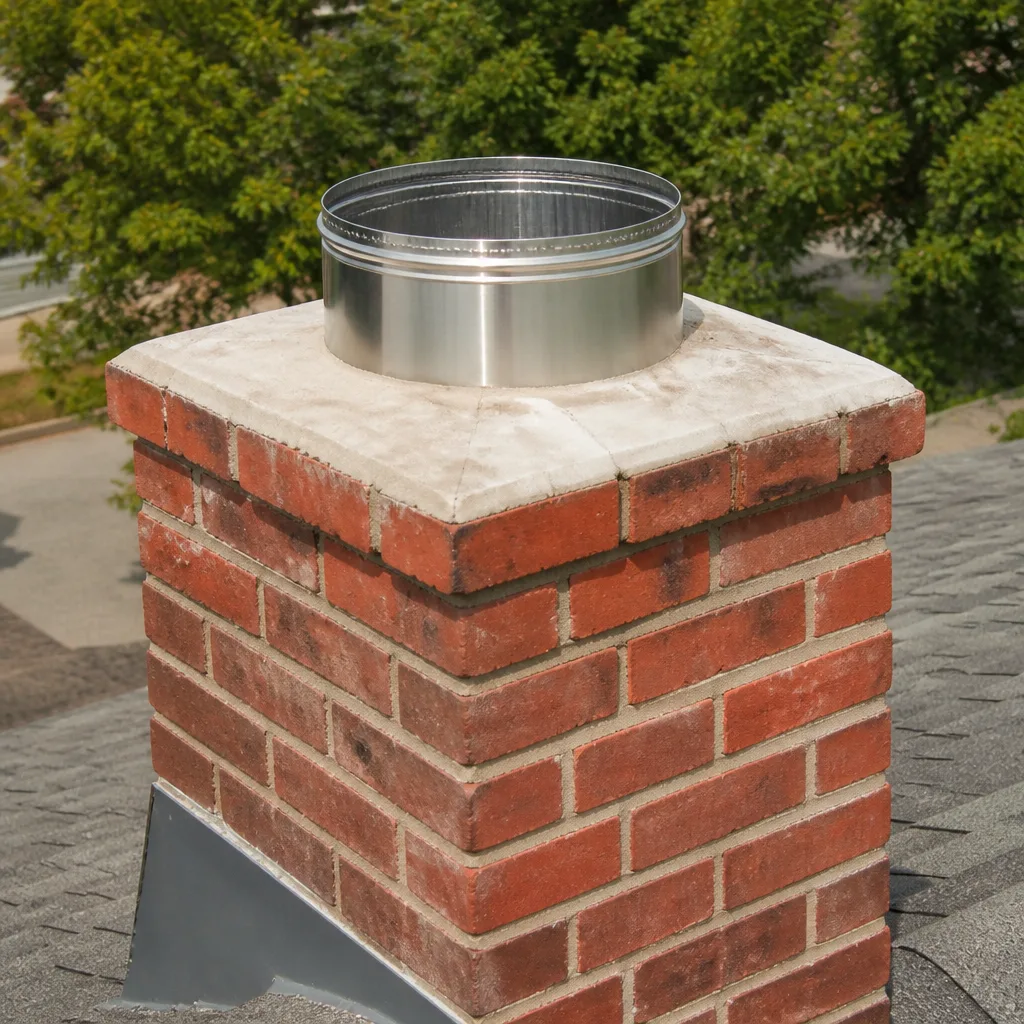 Flue relining
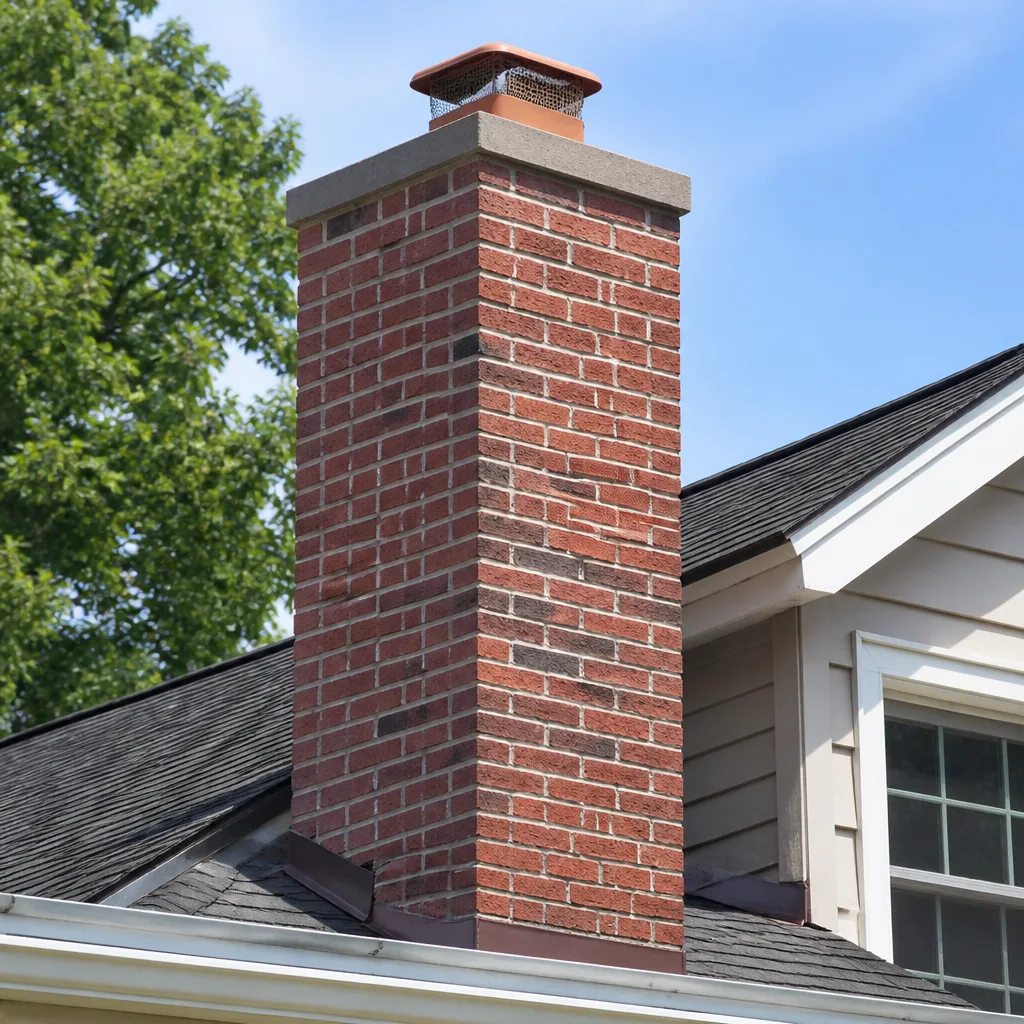 Masonry repair
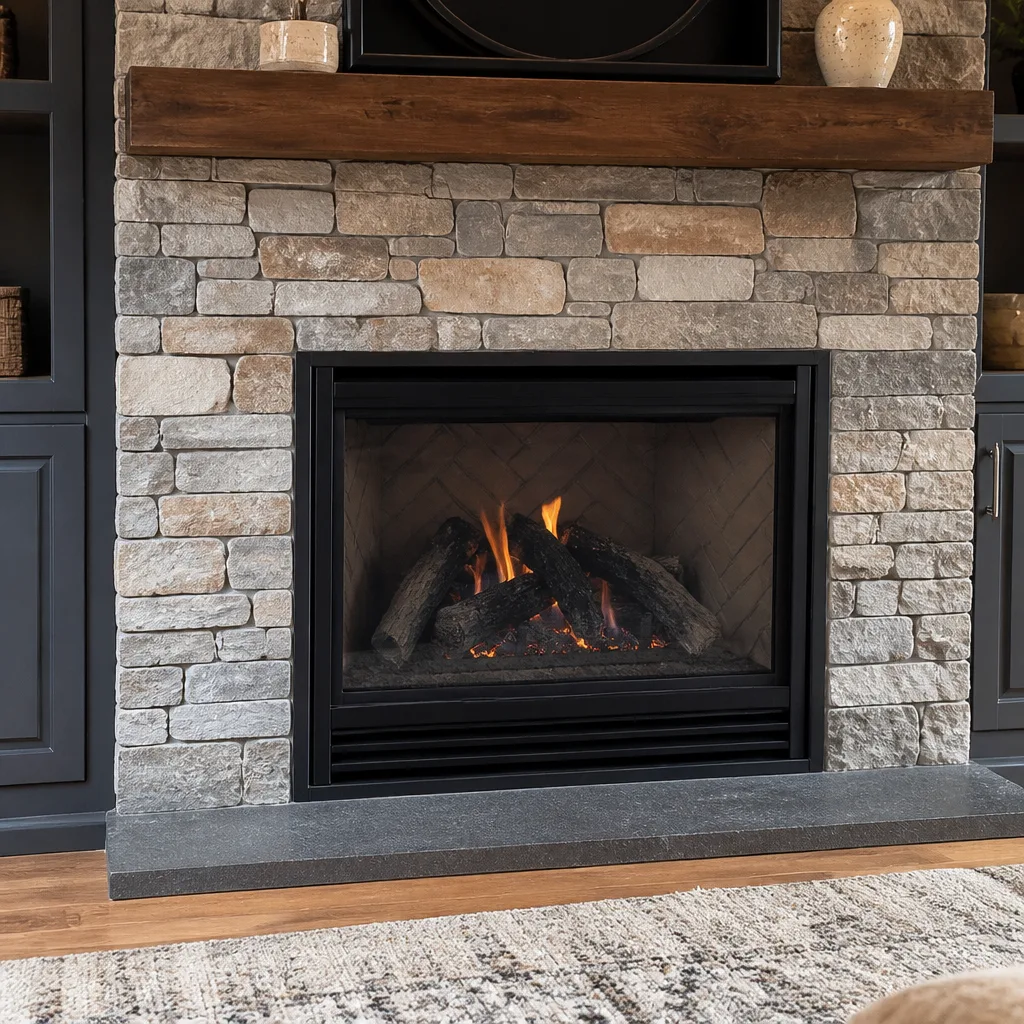 Gas fireplace service
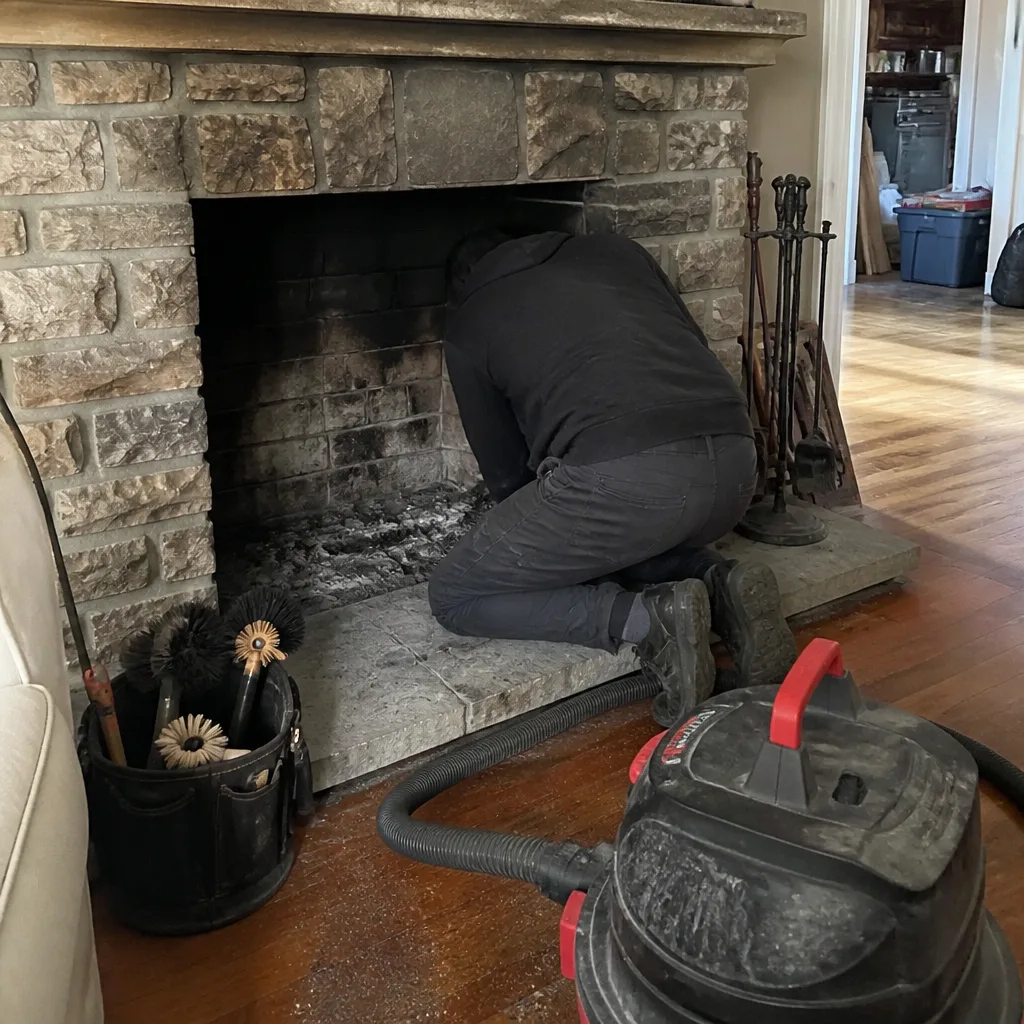
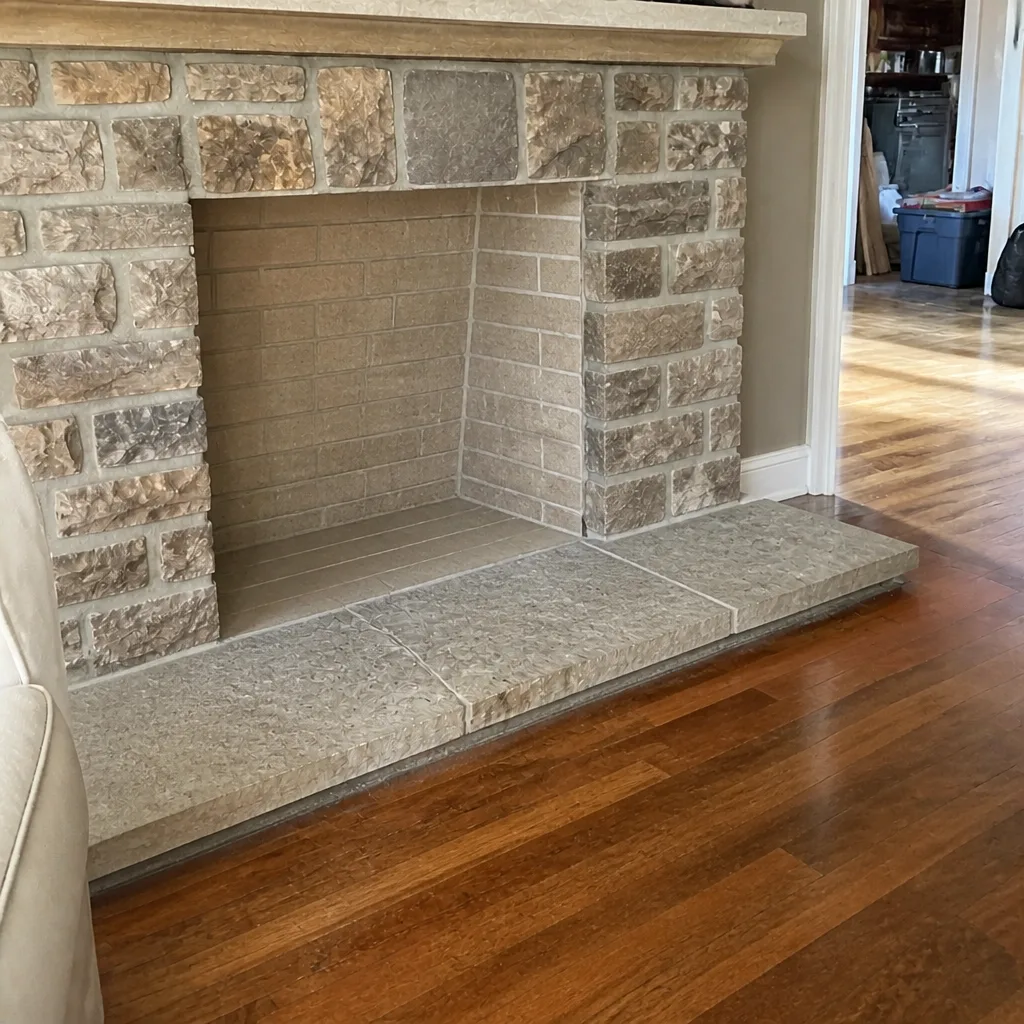
Level 1 sweep and inspection to the NFPA 211 annual standard - flue, crown, cap, and flashing checked and photographed
Chimney sweep logs do not sweep chimneys. They loosen some creosote - which then falls where a brush and vacuum still have to collect it.
Seasonal Chimney Cleaning Care for Wakefield: Year-Round Homeowner’s Guide
Most homeowners in Wakefield treat the chimney like a once-a-year chore: book a sweep in the fall, forget about it until next October. That single annual reminder hides a problem. A chimney goes through four very different seasons here in Westchester County, and each one stresses the system in its own way. Spring is when winter damage shows up. Summer rain finds every crack. Fall is when demand spikes and the good appointments vanish. Winter is when how you burn determines how fast creosote builds. This guide breaks the year into those four windows and tells you what to actually do in each one, so you’re reacting to what’s happening to your chimney now instead of guessing in October.
Styles & brands we work with
- Sweep & inspection
- Caps & crowns
- Flue relining
- Masonry repair
- Gas fireplace service
Quick Answer
Seasonal chimney care in Wakefield runs on four windows: inspect and repair in spring, waterproof and cap in summer, sweep before first use in early fall, and burn clean wood to slow creosote all winter. Annual sweeping still matters, but the timing and the non-sweep tasks around it are what protect a chimney from freeze-thaw damage, water intrusion, and fire risk. Get those four seasons right and the annual sweep stops being a scramble.
Table of Contents
- Why Seasonal Care Beats a Once-a-Year Sweep
- Spring: What Your Chimney Looks Like After a Wakefield Winter
- Summer: The Dry Months When Cap and Waterproofing Work Best
- Fall: Timing Your Pre-Season Sweep in Wakefield
- Winter: Burning Practices That Slow Creosote
- What to Watch For Between Professional Visits
- How Westchester Weather Shapes Chimney Wear
- Common Mistakes to Avoid
- When to Call a Professional
- Frequently Asked Questions
Why Seasonal Care Beats a Once-a-Year Sweep
The standard advice to “sweep once a year” is correct about frequency but silent about everything else. A sweep clears creosote and soot from the flue. It does not tell you that your crown cracked in February, that water has been seeping into the masonry since March, or that a loose mortar joint is one freeze away from spalling the brick face. Those problems develop on a seasonal clock, not an annual one, and catching them early is the difference between a small repair and replacing a section of chimney.
Think about what a chimney actually endures in Wakefield over twelve months. It absorbs heat from hundreds of fires, then sits cold through a Westchester winter of freeze-thaw cycles. Spring rain hits masonry that’s already been stressed. Summer sun bakes the crown. Then fall arrives and everyone wants a sweep at once. Each season exposes a different part of the system, and a chimney that gets attention in all four lasts far longer than one that gets a single visit.
This is why we treat inspection as the honest starting point rather than something tacked onto a sweep. A complete chimney inspection, offered on its own, tells you the actual condition of the flue, crown, cap, and masonry so the seasonal tasks you take on are the ones your chimney needs. Inspect first, then recommend. That order is the whole philosophy behind this guide.
The four seasonal windows at a glance
- Spring: Look for freeze-thaw damage, cracked crowns, spalled brick, deteriorated mortar joints, and moisture staining inside the firebox.
- Summer: Apply chimney caps and waterproofing while the masonry is dry and the weather allows coatings to cure.
- Fall: Book your sweep before the first fire of the season, and book early because demand climbs fast.
- Winter: Burn dry, seasoned wood at hot temperatures to slow creosote accumulation between sweeps.
Spring: What Your Chimney Looks Like After a Wakefield Winter
Spring is the most important chimney season most homeowners ignore. It’s the point when a Westchester winter finally stops hammering the masonry, and everything it did becomes visible. Water gets into brick and mortar, freezes, expands, and pushes the material apart. That process repeats all winter. By the time the ground thaws, a chimney can carry damage that wasn’t there in November, and spring is your first clean look at it.
Here’s what to check in Wakefield after the heating season ends:
- Spalling brick. Look for brick faces that have flaked, peeled, or popped off, leaving a crumbling surface. Spalling means water got in and froze. It spreads if untreated.
- Cracked crown. The crown is the concrete cap at the very top of the chimney that sheds water. Hairline cracks are common after winter and widen over time.
- Deteriorated mortar joints. Run your eye down the exterior. Recessed or crumbling mortar between bricks signals the joints are failing and need repointing.
- Moisture staining inside the firebox. Rust-colored streaks, white efflorescence powder, or damp patches inside the firebox point to water traveling down the flue.
- A damaged cap or missing spark screen. Winter storms and ice knock caps loose and tear screens. A gap invites water and animals.
Spring is also the right time to schedule repairs, because you have the longest runway before the next heating season. A crown replacement or a round of masonry repair done in spring has months to settle before you light the first fire. Wait until September and you’re competing for slots. If spring inspection turns up a failing crown or a cracked cap, that’s the moment to address your chimney cap & crown rather than the week the cold sets in.
Summer: The Dry Months When Cap and Waterproofing Work Best
Summer looks like the off-season for a chimney. It’s actually the best window for the work that protects masonry from water, because that work needs dry surfaces and time to cure. Waterproofing treatments applied to damp brick don’t bond properly. Caps and crowns installed in dry, warm weather set correctly and seal against the rain that’s coming. Do this work in summer and it’s ready before the wet fall.
What happens to untreated masonry during a heavy summer rain in Wakefield is worth understanding. Brick and mortar are porous. Rain soaks into the chimney from the top and the sides. Some of it evaporates; the rest stays trapped. Add the humidity of a Westchester summer and the masonry stays damp for long stretches. That moisture doesn’t announce itself, but it feeds the freeze-thaw cycle the following winter and quietly weakens the structure year after year.
Two summer tasks that pay off all year
- Install or replace a chimney cap. A proper cap keeps rain, snow, birds, and squirrels out of the flue while letting smoke escape. We install caps from dedicated manufacturers like Gelco, Famco, and Olympia Chimney, matched to the flue rather than pulled off a hardware-store shelf.
- Apply a breathable waterproofing treatment. A masonry water repellent lets the chimney shed rain while still allowing trapped moisture vapor to escape. This blocks a lot of the damage that shows up as spalling and crumbling joints later.
Summer also reveals problems that winter hid. With the firebox cold and dry, moisture staining is easier to see, and cracks in the crown are easier to spot without snow and ice in the way. If your spring inspection got skipped, summer is a fine second chance. A cap and a waterproofing treatment done now are among the least expensive ways to protect a masonry chimney over the long run.
Fall: Timing Your Pre-Season Sweep in Wakefield
Fall is when everyone thinks about the chimney, which is exactly why timing matters. The right moment for a pre-season sweep is before first use, not “sometime in October.” You want the flue clean and inspected before the firebox sees its first fire of the season, so any issue turns up while you still have time to fix it. Wait until the first cold snap and you join the queue with everyone else.
Demand for a chimney sweep spikes hard in the weeks before heating season. Homeowners in Wakefield and across the area all reach for the phone around the same time. Booking early in the fall, or even in late summer, means you get the appointment you want instead of taking whatever slot is left after the first frost. A sweep also does more than clear soot. It’s your chance to get a professional set of eyes inside the flue before months of burning.
How to prepare for a fall sweep
- Stop burning a few days before. Let the firebox and flue cool completely so the technician isn’t working around heat.
- Clear the hearth and the floor in front. Move fireplace tools, logs, and nearby furniture so the work area is open and easy to protect.
- Note anything unusual. A smoky fire, a draft that’s gotten worse, or odd smells are worth mentioning. They point the inspection toward the cause.
- Book ahead of the rush. Reach out before the first cold week rather than during it. Early fall bookings are far easier to place.
- Plan for the inspection, not just the sweep. A complete inspection is a service in its own right, and it’s the step that tells you the true condition of the flue and cap.
If your fall sweep turns up a bigger problem, you’re not starting from scratch. Wakefield Chimney Sweep Pros handles the full loop, from the sweep itself through inspection, cap and crown work, chimney repair, and fireplace repair, so a single call covers it. That’s the advantage of working with chimney-only specialists: the same trade focus runs from the flue to the crown.
Winter: Burning Practices That Slow Creosote
Once the season starts, the goal shifts. You can’t sweep between every fire, but you can control how fast creosote builds. Creosote is the byproduct of incomplete combustion, and how you burn largely determines how much of it collects in the flue. Burn dry wood at good temperatures and the accumulation stays slow. Burn wet wood at low, smoldering temperatures and it builds fast, which is what turns a routine sweep into a real safety concern.
The single biggest factor is wood moisture content. Seasoned firewood, dried for months so most of its water has evaporated, burns hot and clean. Wet or green wood spends its energy boiling off water instead of producing heat, and the cooler, smokier fire leaves more creosote behind. You don’t need a moisture meter to get most of the way there. Split wood that’s been stacked and covered for a good while, that’s light for its size and cracks cleanly, is a reasonable bet.
Safe burning practices for the heating season
- Burn seasoned wood. Dry wood produces a hotter fire and less creosote than green or damp wood.
- Burn at good temperatures. A hot, lively fire burns more completely than a low, smoldering one. Avoid damping the fire down for long overnight burns with wet wood.
- Don’t burn trash, cardboard, or treated wood. These produce more creosote and can release harmful compounds. Keep the firebox to firewood.
- Keep the firebox from overloading. Packing it tight starves the fire of air and drops combustion temperature.
- Watch for warning signs. A strong smoky smell, a visibly dark flue, or a fire that’s harder to start can all point to creosote buildup worth a check.
Creosote buildup is a fire risk, and a chimney fire can spread beyond the flue. Carbon monoxide is a separate concern: a blocked or damaged flue can let combustion gases back into the home instead of venting them outside. This is why burning well and sweeping on schedule work together. Good burning slows the buildup; the sweep removes it. If you notice anything that worries you mid-winter, don’t wait for spring. We answer 24/7, and a call outside dispatch hours is booked into the next opening, Sunday through Friday, 7am to 7pm.
What to Watch For Between Professional Visits
A lot of expensive chimney damage is caught early by homeowners who simply pay attention between professional visits. You’re not diagnosing anything. You’re noticing change, and noticing early is what turns a small fix into a small fix instead of a structural job. The point of seasonal observation is to know your chimney’s normal so you catch it when it isn’t.
Here’s what to look for through the year:
- On the exterior, from the ground: new cracks in the crown, brick faces flaking off, crumbling mortar, a leaning chimney, or a cap that’s loose or missing.
- In the firebox: rust stains, white powdery residue, damp patches, or cracks in the firebrick or mortar.
- During a fire: smoke spilling into the room instead of going up, a draft that’s gotten noticeably weaker, or a smell that lingers after the fire’s out.
- Around the house: a smoky odor in rooms with no fireplace, or a carbon monoxide alarm sounding. The second is not an observation to file away. Ventilate the home, get everyone outside, and call for help.
This is where a camera inspection earns its place. When a problem turns up, you should be able to see the evidence for yourself rather than take a recommendation on faith. Nothing is recommended without camera evidence you can watch, and we’ll tell you plainly when a repair can safely wait rather than press you on it. Our technicians have up to 11 years of experience, and in our experience the homeowners who trust a chimney recommendation most are the ones who saw the reason for it.
How Westchester Weather Shapes Chimney Wear
Chimney care isn’t the same everywhere, and in Wakefield the local climate does specific things to masonry. The defining pattern is freeze-thaw. Water gets into brick and mortar, temperatures drop below freezing, the water expands, and it forces the material apart. Then it thaws, refreezes, and does it again. Over one winter, that cycle can open cracks and spall brick faces that looked fine the previous fall. A Westchester winter hands a masonry chimney a lot of these cycles.
Spring brings the evidence. That’s why the guide puts the heaviest inspection load in spring: the damage is finally visible, and you have the most time to repair it. Summer works the other way, giving you the dry window to waterproof and cap before the wet season returns. Fall and winter are about the fire itself, cleaning the flue before use and burning well once the season starts. Each season is doing a different job for the same chimney.
Older masonry chimneys feel this most. An aged chimney often has original mortar that’s already weathered and a crown that’s seen plenty of winters. It doesn’t mean the chimney needs replacing, but it does mean the seasonal checks matter more. If a spring inspection finds a failing liner, that’s where a professional-grade resurfacing system like HeatShield comes in. It restores a damaged flue from the inside, a specialized technique beyond what a sweep-only service can offer. Paired with liner systems like DuraFlex for full relining, it lets us fix a flue problem rather than just report it.
Common Mistakes to Avoid
- Treating the annual sweep as the whole job. A sweep clears the flue, but it won’t catch a crown that cracked in February or waterproofing that was never applied. The seasonal tasks around the sweep are what protect the chimney.
- Skipping spring inspection. Winter is when damage happens and spring is when it’s visible. Wait until fall and you’ve let a fixable problem sit through a summer of rain and a second winter.
- Waterproofing or capping in wet weather. Treatments applied to damp masonry don’t bond, and caps set in the rain seal poorly. The dry summer months exist for exactly this work.
- Booking the sweep after the first cold snap. In Wakefield, demand climbs fast once heating season starts. Book before first use, not once the queue has formed.
- Burning wet or green wood. It’s the fastest route to heavy creosote. Seasoned wood burns hotter and cleaner and keeps the flue healthier between sweeps.
- Ignoring small exterior changes. A hairline crown crack or a flaking brick face is cheap to fix early and expensive to fix after another winter. Small changes are the signal.
- Taking a big repair recommendation on faith. If someone tells you the liner or masonry needs major work, ask to see the camera evidence. A chimney-specialist inspection shows you the reason, not just the price.
When to Call a Professional
Some seasonal tasks are yours to handle: observing, booking the sweep, burning good wood. Others call for a trained professional, and some of them are safety-critical. Call a professional if your spring inspection turns up spalling brick, a cracked crown, or crumbling mortar; if you see moisture staining inside the firebox; if smoke spills into the room or the draft has gotten worse; if you smell smoke in rooms with no fireplace, or your carbon monoxide alarm sounds; and if it’s simply time for your pre-season sweep and inspection. Chimney work involves heights, flues, and combustion gases, so repairs belong with someone trained for the job, not a general handyman. Wakefield Chimney Sweep Pros offers free estimates in Wakefield. Call (855) 337-2076. We answer 24/7. Fast dispatch from 7am to 7pm, Sunday through Friday.
Frequently Asked Questions
Once a year is the standard baseline for a wood-burning chimney, and more often if you burn heavily or notice creosote building fast. The annual sweep is the floor, not the whole plan. Pair it with a spring inspection and summer waterproofing and you’re covering the four seasons, not just the flue.
Yes, because they check different things at different times. A fall sweep clears the flue before you light the fire; a spring inspection catches the freeze-thaw damage a Westchester winter left behind, while you still have months to repair it. Skipping spring means that damage sits through a wet summer and another winter. Call (855) 337-2076 for an exact quote on an inspection; estimates are free.
Because those treatments need dry surfaces and time to cure, and summer gives you both. Waterproofing applied to damp masonry doesn’t bond properly, and a cap set in wet weather seals poorly. Do this work in the dry months and it’s ready before the rain returns. We install caps from dedicated manufacturers like Gelco, Famco, and Olympia Chimney.
Two risks build over time: creosote in the flue, which is a chimney fire hazard, and water damage to the masonry, which quietly weakens the structure. The first is a safety concern, the second an expensive one. Neither announces itself until it’s advanced, which is why the seasonal checks matter. Call (855) 337-2076 for an exact quote on a sweep and inspection; estimates are free.
Sometimes a liner genuinely needs restoring or replacing, and sometimes it doesn’t, and you shouldn’t have to guess which. We don’t recommend liner work without camera evidence you can see for yourself, and we’ll tell you when a repair can safely wait. When a flue does need restoring, a HeatShield resurfacing system or a DuraFlex liner is professional-grade work, not a sweep-only job.
It has a big effect. Burning dry, seasoned wood at good temperatures leaves far less creosote than smoldering wet wood, so the flue stays cleaner between sweeps. Trash, treated wood, and long damped-down burns speed the buildup. Good burning slows it; the sweep removes what’s left. For repair work on the chimney itself, see our chimney repair service.
The Bottom Line
The old advice to sweep once a year isn’t wrong, it’s just incomplete. A chimney in Wakefield lives through four seasons that each stress it differently, and the homeowners who protect theirs are the ones who act in all four: inspect for freeze-thaw damage in spring, cap and waterproof in the dry summer, sweep before first use in early fall, and burn dry, seasoned wood all winter. Seasonal observation between visits catches the small changes before they get expensive. When a repair is needed, it should come with camera evidence you can check yourself. From the flue to the crown, one company can cover the whole loop. Wakefield Chimney Sweep Pros works with professional-grade products from lines including HeatShield, DuraFlex, Gelco, Olympia Chimney, Famco, and Copperfield, and the team treats inspection as the honest starting point. For an exact price, call (855) 337-2076 for a free estimate. We answer 24/7. Fast dispatch from 7am to 7pm, Sunday through Friday. Start with Wakefield Chimney Sweep Pros and the seasonal plan above, and your chimney will be ready for every season instead of just one.
Written by the team at Wakefield Chimney Sweep Pros.
See the difference
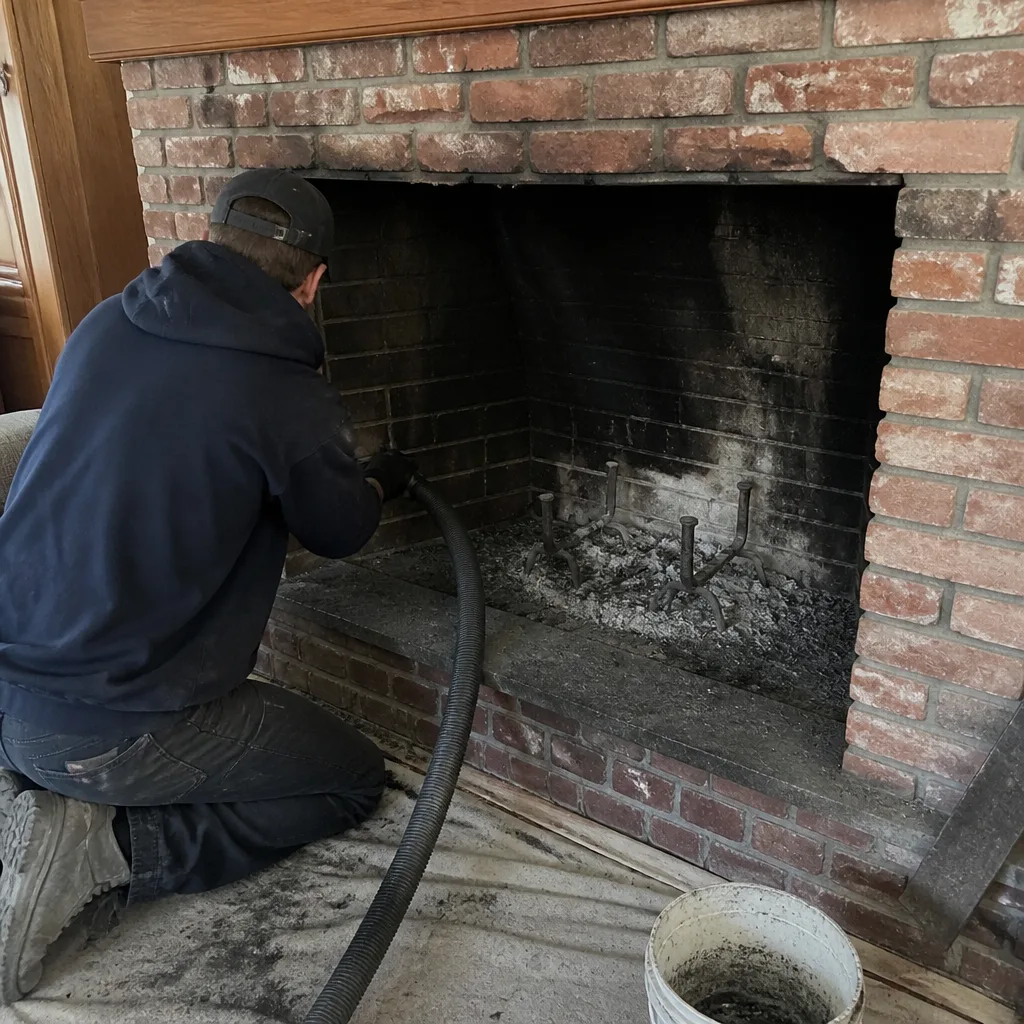 Before
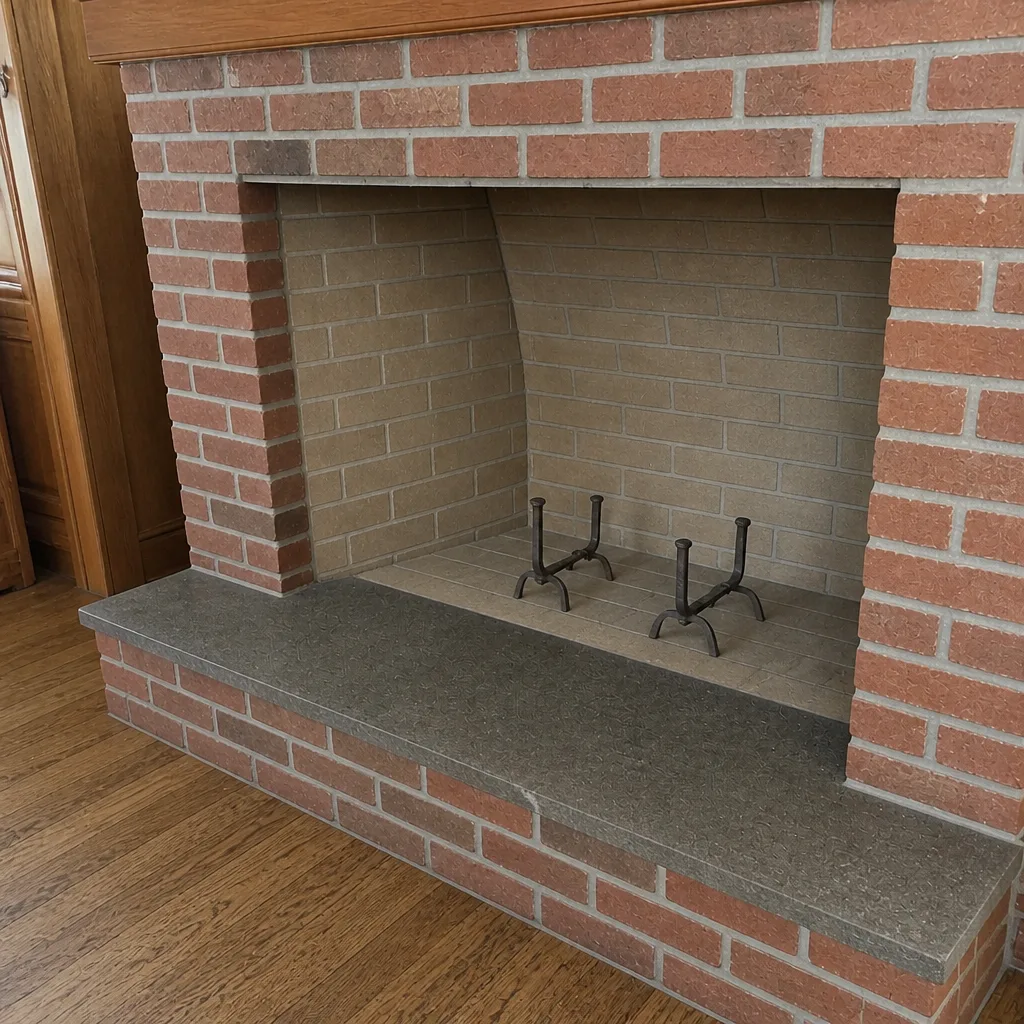 After
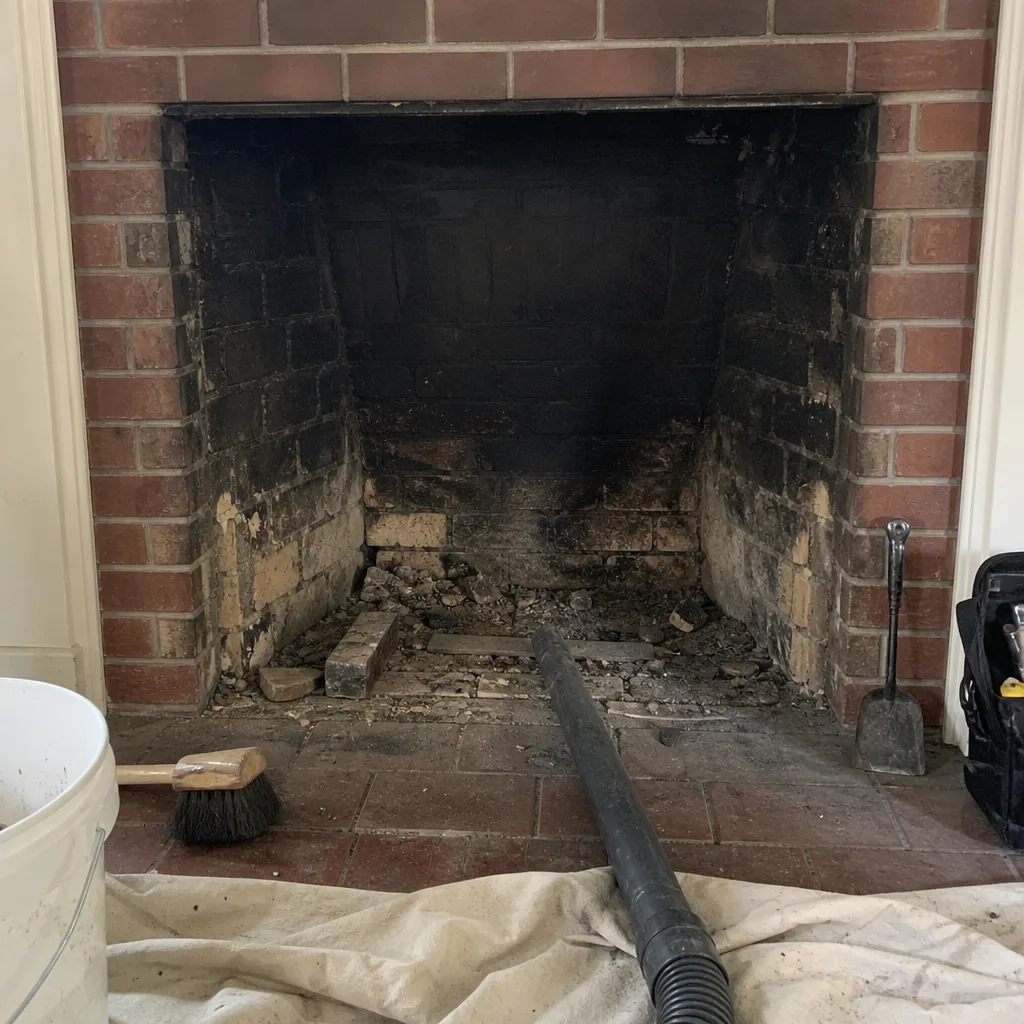 Before
 After
 Before
 After