
Last updated November 25, 2026
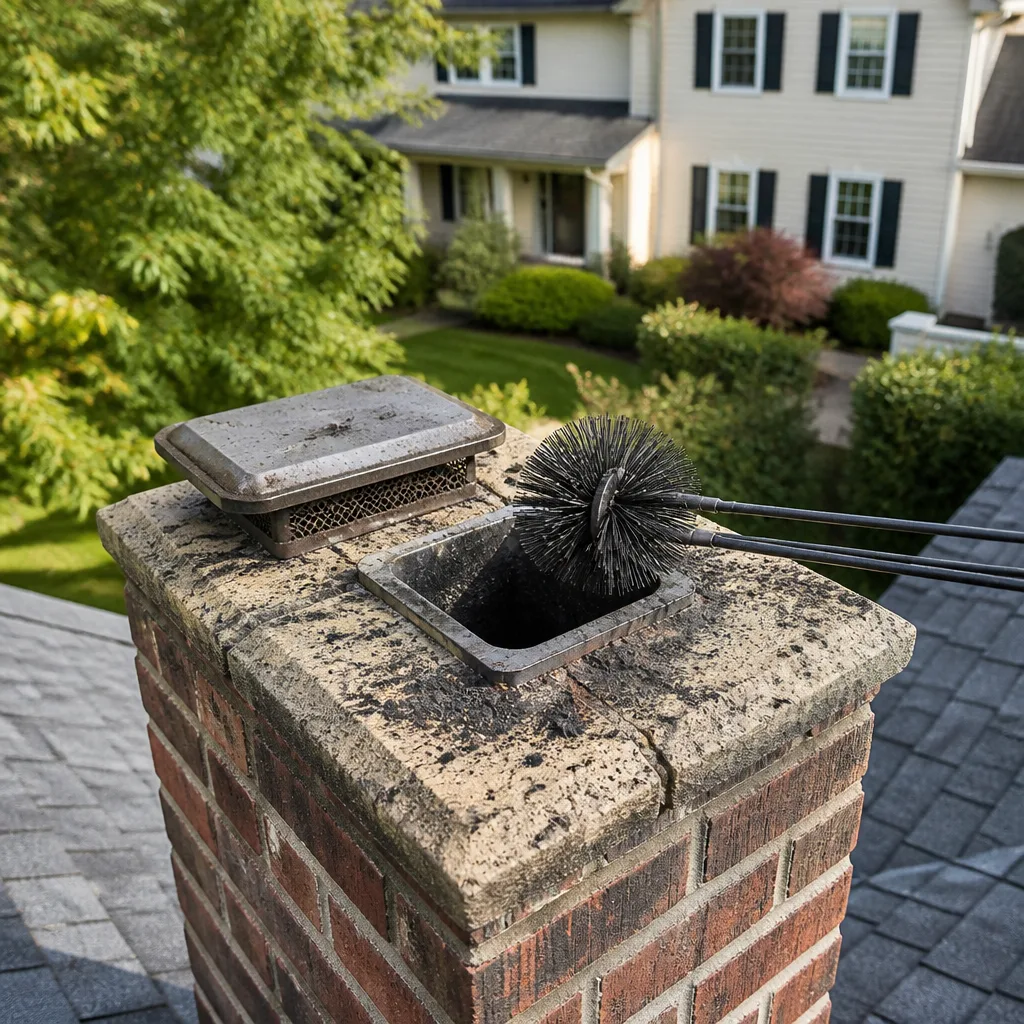 Sweep & inspection
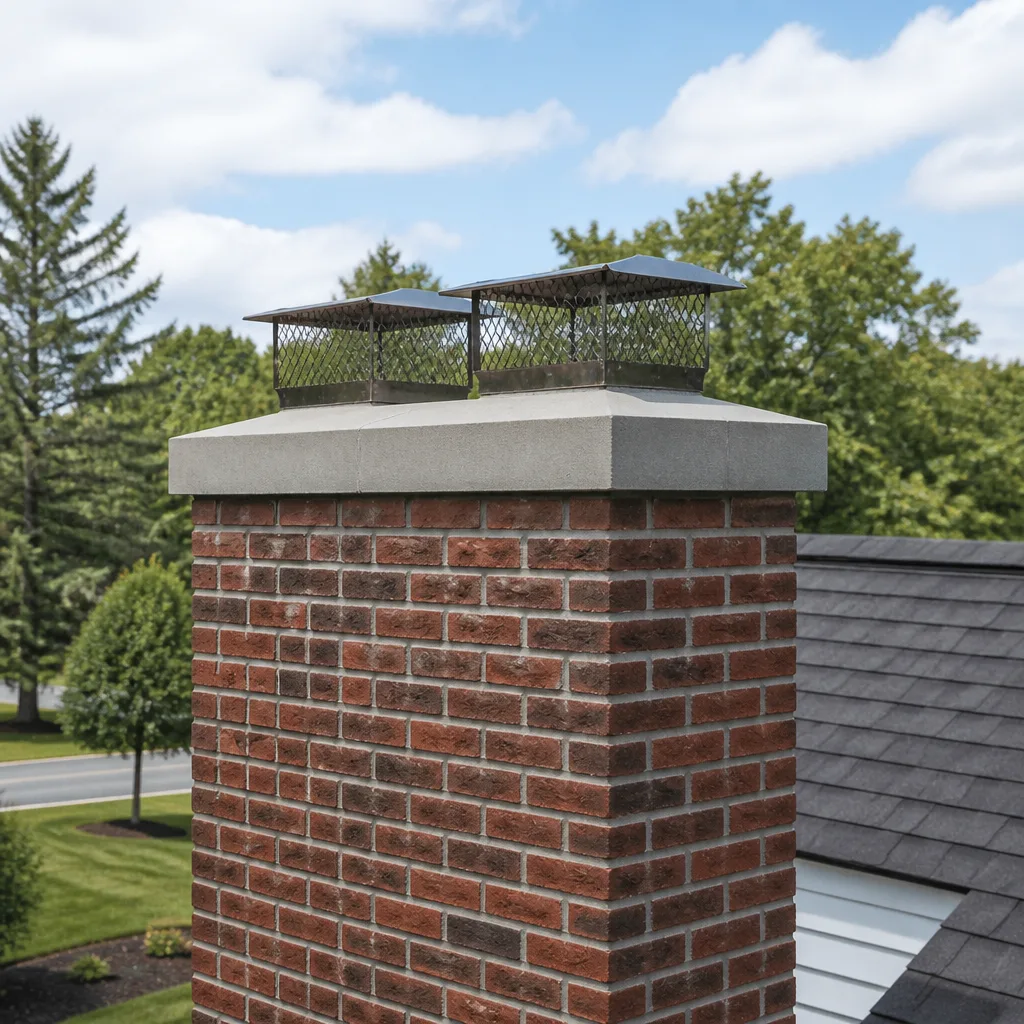 Caps & crowns
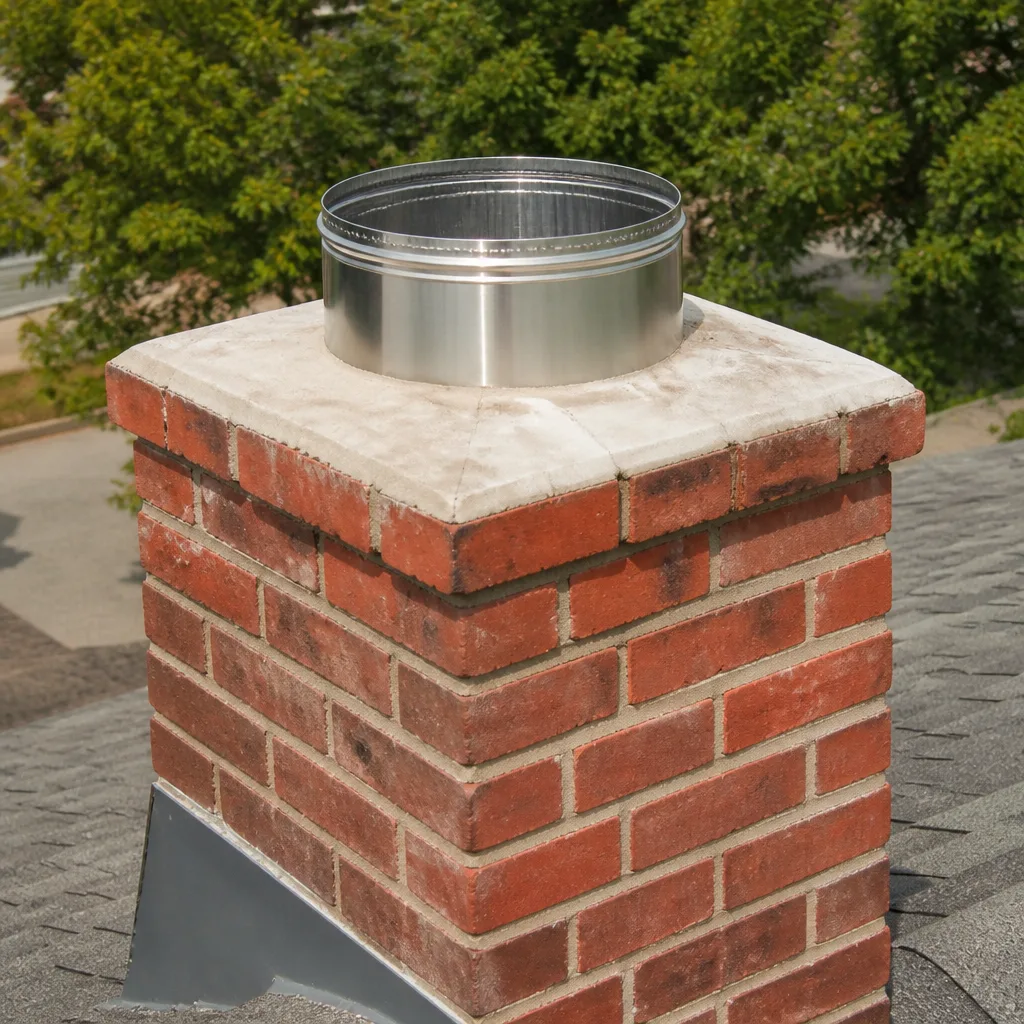 Flue relining
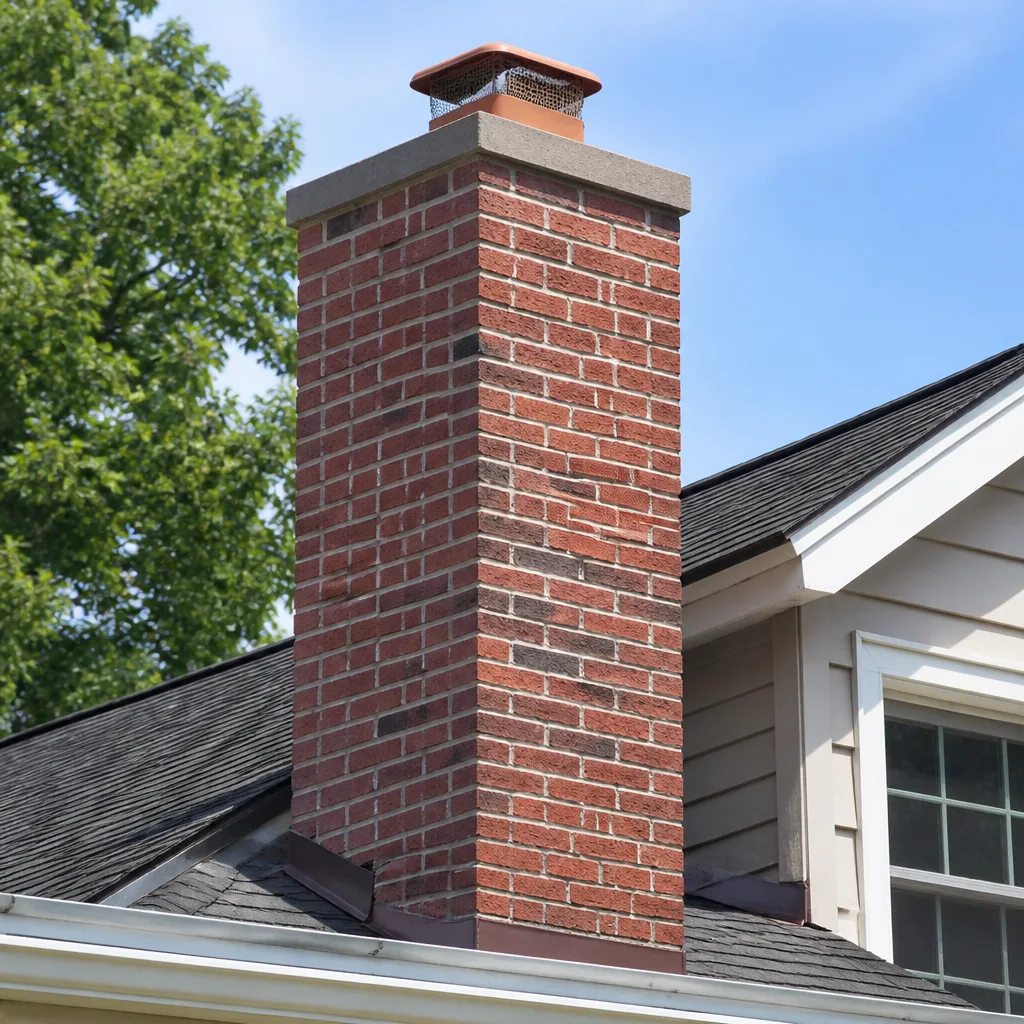 Masonry repair
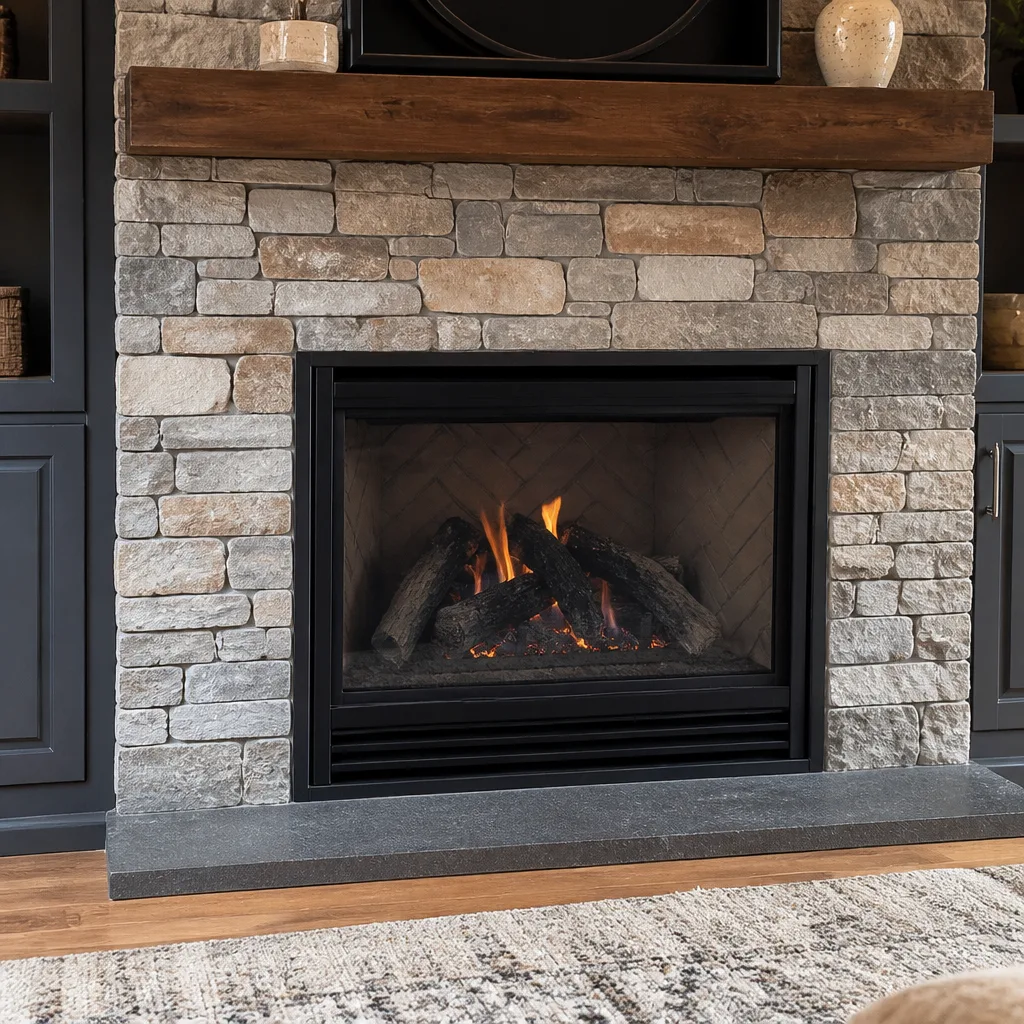 Gas fireplace service
Level 1 sweep and inspection to the NFPA 211 annual standard - flue, crown, cap, and flashing checked and photographed
Chimney sweep logs do not sweep chimneys. They loosen some creosote - which then falls where a brush and vacuum still have to collect it.
Chimney Sweep Maintenance Checklist for Wakefield Homeowners
Most chimney maintenance checklists you’ll find online were written for new construction. They assume a modern stainless liner, a factory-built firebox, and a crown that hasn’t seen thirty winters. Wakefield homes built before 1980 usually have clay tile liners, mortar joints that have been quietly absorbing moisture for decades, and crown conditions that demand a completely different set of checkpoints. That’s why we built this checklist around the housing stock we actually see in Wakefield, not a generic national template. Over the next few sections you’ll learn which jobs you can handle yourself, which ones call for a sweep, and which signals mean a repair is already overdue. It’s a decision tree, not a to-do list.
Quick Answer
A chimney maintenance checklist for a Wakefield homeowner should cover a monthly visual check of the firebox and cap, a full inspection and sweep before the first fall fire, a post-season review after the last burn, and symptom-triggered escalations whenever you notice draft problems, staining, or crumbling mortar. For most wood-burning homes in Wakefield, that means one professional sweep per year of active use, with a camera inspection whenever the fireside view shows trouble. The checklist below separates what you can do from what needs a trained specialist.
Styles & brands we work with
- Sweep & inspection
- Caps & crowns
- Flue relining
- Masonry repair
- Gas fireplace service
Table of Contents
- Why a Wakefield Checklist Looks Different From National Advice
- Monthly Checks You Can Do Without Tools
- Before the First Fall Fire: The Pre-Season Checklist
- After the Last Burn: The Post-Season Checklist
- Reading Your Firebox and Smoke Chamber From the Fireside
- Crown and Cap Checks for Brick Chimneys in Freeze-Thaw Weather
- Building a Flue-Use Log for Better Diagnostics
- When a Flagged Item Escalates From a Sweep to a Structural Inspection
Why a Wakefield Checklist Looks Different From National Advice
Wakefield sits in Westchester County, where winters swing hard between freezing nights and milder days. That freeze-thaw cycle is the single biggest factor in how a brick chimney ages here. Water gets into a mortar joint or a hairline crown crack, freezes overnight, expands, and pries the masonry a fraction wider. It thaws the next afternoon. Repeat that a few hundred times and you get spalling brick, loose mortar, and a crown that’s cracked in more places than one. Generic checklists written in mild climates don’t account for this, and they miss the whole category of water-driven damage that defines chimney upkeep in Wakefield.
Then there’s the age of the housing stock. Many Wakefield homes still carry their original clay tile liners. Clay tile does exactly one thing well: it contains heat and combustion gases when the joints are intact. It does not tolerate moisture or sudden temperature shock, and it doesn’t flex. Over the years, the mortar between tiles can erode, tiles can crack, and gaps open up. A checklist built for a modern home with a stainless liner won’t tell you to look for those gaps. Ours does.
Finally, the construction itself matters. Brick chimneys on older Wakefield homes were often built with fewer clearances and simpler crowns. They need more regular observation than a newer chimney, and the observations are different. A monthly fireside check on a pre-1980 chimney tells you more than a monthly check on a 2010 build, because the older chimney has more ways to fail. For a fuller picture of what a proper professional sweep actually covers, our chimney sweep page walks through the whole visit from inspection to cleaning. This guide focuses on what you do between those visits.
Monthly Checks You Can Do Without Tools
The monthly check is about catching change early. You’re not fixing anything. You’re watching for shifts: a new crack, a new stain, a draft that used to pull well and now doesn’t. All of it takes about ten minutes with a flashlight, and it gives you real data to hand a technician later.
Run through these each month during the burning season:
- Look up the flue with a flashlight. You’ll see the inside of the liner. Note any heavy soot, shiny glaze, or a surface that looks flaky. If you can see a hairline gap between tiles, remember where it is.
- Check the firebox walls and floor. Brick should look uniform. New spiderweb cracks in the firebrick or a dark stain that grows month to month is worth a call.
- Inspect the smoke shelf and damper. With the damper open, look for debris that doesn’t belong: bird nesting material, fallen mortar, or leaves. The damper should swing freely without grit or scraping.
- Open the cleanout door. How much ash and soot is sitting there, and is it dry? Wet material in the cleanout points to water coming down the flue.
- Do the smoke-and-draft test. Light a small piece of paper near the open damper on a cold morning and watch the smoke. A strong, even pull is good. A lazy drift or smoke spilling into the room is a signal.
- Look at the chimney’s exterior from the ground. Use binoculars if you have them. Look at the crown, the cap, and the brick edges for anything new.
None of these checks replace a sweep. What they do is give you a baseline. Once you know what your firebox looks like when it’s healthy, you’ll spot a change fast. Keep notes. A short phone photo every month builds a record you can show a technician.
Before the First Fall Fire: The Pre-Season Checklist
This is the most important pass of the year in Wakefield. It happens in late summer or early fall, before the first fire, and it’s the one the professional sweep should be part of. Do it in this order so you’re not paying for a sweep before you know whether the chimney can take a fire at all.
- Book the annual inspection and sweep first. A complete chimney sweep before the season catches soot buildup, animal nests, and minor defects before they become a fire hazard. Spring and late summer book fastest.
- Have the technician do a camera inspection of the flue. Ask to see the photos. Any technician should be willing to sit with you and walk through what the camera found. That inspection is the honest starting point for every recommendation afterward, so you want it done even on a routine visit.
- Check the cap. A missing or damaged cap is the single most common cause of water and animal problems. A proper stainless cap from a maker like chimney cap & crown specialists install keeps out rain, birds, and debris without blocking draft.
- Check the crown. Look for cracks wider than a hairline, chipped edges, or a crown that’s pulling away from the flue. A cracked crown in a Westchester freeze-thaw winter gets worse every season. A crown made or supplied by Gelco or Olympia Chimney will outlast a generic patch.
- Look at the flashing where the chimney meets the roof. Rusted or lifted flashing means water is getting in at the top and showing up as stains lower down.
- Test the damper and firebox. Confirm the damper opens fully and closes tight, and that the firebox brick is sound. If anything is cracked, stop here and call for repair before the season starts.
- Check your smoke and carbon monoxide detectors. Chimneys and detectors belong to the same safety system. Replace the batteries and test each unit.
- Confirm your firewood is seasoned. Wood with more than a light-seasoning in it burns cool and leads to creosote buildup faster. Store it dry and away from the house.
Do the sequence in order. If the camera inspection turns up a problem, you have time to fix it in the off-season rather than finding out on the first cold night.
After the Last Burn: The Post-Season Checklist
The end-of-season pass is about what the winter left behind. Wakefield’s freeze-thaw already did its work by the time the last fire dies out in spring. This checklist is shorter, but each item is worth doing because it feeds directly into next year’s pre-season decisions.
- Do a sweep after the last burn, not in the fall. Waiting until fall means a summer of humid soot sitting in a flue. Soot left wet for months becomes acidic and eats at the mortar and clay tile. A spring or early-summer sweep is the kinder choice for the chimney.
- Re-check the crown and cap. Winter is when cracks appear. Look for new cracks, popped mortar, or cap fasteners that have worked loose.
- Look at the exterior brick for spalling. Spalling is when the face of the brick flakes off or crumbles. It’s a freeze-thaw signature in Wakefield, and it means water is getting into the masonry.
- Check the attic for staining along the chimney. A brown ring where the chimney passes through the attic floor or roofline is water. It usually means crown or flashing repair is needed. Our chimney repair page is a good place to start if you find it.
- Seal the firebox for summer. Close the damper and, if you want, place a small note in the fireplace reminding everyone no fire until the inspection.
- Update your flue-use log. Add the fuel type, burn count, and any draft notes from the season. This is what the technician uses next fall.
- Clear the firebox and hearth. Ash left standing through the humid months holds moisture against the firebrick.
The important idea here: post-season maintenance is not about preparing for the next fire. It’s about protecting the chimney during the six months it sits idle.
Reading Your Firebox and Smoke Chamber From the Fireside
You don’t need a ladder or a camera to learn a lot about your chimney. The fireside view, with a strong flashlight, tells you more than most homeowners realize. Over years of doing this, we’ve learned to read discoloration patterns the way a doctor reads a chart, and you can learn the same basics.
Here’s what to look for, and what each pattern usually means:
- Uniform light-gray firebox brick with fine, even cracks. That’s normal aging. Refractory brick develops a fine crack here and there from thermal cycling. Nothing to worry about on its own.
- Dark black staining on the back wall and up into the smoke chamber. This is heavy creosote or soot, and it usually means either insufficient draft, unseasoned wood, or many low, slow, cool-burning fires. Heavy black staining up into the smoke chamber is a flag for a sweep before another burn.
- A white or gray powdery stain on the brick. That’s efflorescence, a sign of water moving through the masonry. It points to a crown, flashing, or liner problem letting moisture in. This is a repair signal, not a cleaning one.
- Dark, glossy, or glossy-black “puffed” soot. This is glazed creosote. It’s hardened and it doesn’t come off with an ordinary brush. It needs professional tools and it’s a fire risk.
- Rust-colored stains. Water meeting iron damper parts or liner hardware. Untreated, it shortens the life of the metal parts.
- Spiderweb cracks in the firebrick that keep growing month to month. Ordinary fine cracks stay the same. Growing cracks mean the brick is failing and heat is getting where it shouldn’t.
- A shiny or flaking smoke shelf. The shelf under the damper collects the same coating as the flue. If it’s glazed, the flue above it likely is too.
The single most useful habit here is to take one clear phone photo of the firebox and smoke chamber a few times a season, from the same angle. Compare the shots. It’s the easiest way to spot change you’d otherwise miss, and it’s exactly the kind of evidence a technician can use to decide what a job actually needs.
Crown and Cap Checks for Brick Chimneys in Freeze-Thaw Weather
The crown is the concrete or mortar cap at the very top of the chimney, and on a brick chimney in Westchester County, it’s the most weather-exposed part of the whole system. Its job is simple: shed water away from the flue and away from the brick below. When it fails, every layer underneath suffers. A correct crown check has three parts.
- Look at the surface for cracks. A hairline crack that stays a hairline is fine. A crack that’s widening, or several that run from the flue out to the edge, means the crown has failed. Water gets into those cracks, freezes overnight, and pries them wider every winter.
- Look at how the crown meets the flue. There should be a clean join. If the crown is pulling away from the flue tile, or if you can see a gap the size of a pencil, the crown needs repair.
- Look at the edges and the drip line. The crown should overhang the brick and have a drip groove or drip edge so water sheds past the masonry rather than running down the brick face. A crown that’s flush with the brick, or that’s crumbling at the edge, will let water run down the whole chimney.
The cap is the other part of the top-end check. A good cap keeps water straight out of the flue opening, keeps out birds and squirrels, and lets gases escape. A damaged or missing cap causes a lot of the ground-level problems we see on Wakefield chimneys. If you do need a new one, a stainless cap from a maker like Gelco or Olympia Chimney, matched to your flue size, will hold up far better than generic hardware-store substitutes.
This whole top-end area is why we install caps and crowns from dedicated manufacturers rather than repurposing general building hardware. For a closer look at how the pieces fit, the chimney cap & crown page explains the options in more detail. On a Wakefield brick chimney, a crown and cap that are working properly protect everything underneath.
Building a Flue-Use Log for Better Diagnostics
A flue-use log is a short record of what your chimney actually burned and how it behaved over the season. It’s the single most useful thing you can carry into a sweep appointment. A technician who knows how often you burned, what you burned, and how the draft behaved can diagnose a draft problem much faster than one starting from scratch. Here’s what to log each month of the burning season.
- Fuel type and source. Hardwood, softwood, manufactured logs, or gas. Note where the wood came from and how long it was seasoned.
- Approximate number of fires. Even a rough count works. A dozen fires a season and fifty fires a season need different attention.
- Burn pattern. Did you burn hot, bright fires or do a lot of low, smoldering burns? Low, smoldering fires make more creosote.
- Draft observations. Note any smoke spilling into the room, a fire that starts hard, or a fire that feels sluggish. Note changes from month to month.
- Odor at the top of the season. A sharp, smoky smell in the house when the fire isn’t lit is a draft or backdraft signal.
- Weather conditions that made a difference. Windy days, damp days, or a house at negative pressure. This is data.
- Detector events. Any time a carbon monoxide or smoke alarm sounded, note it and act on it. That’s not a note-to-self, it’s a call.
You don’t need a spreadsheet. A page in a notebook on the mantel is enough. The value is that next fall, you hand the technician a real record of how your chimney behaves. It shortens diagnosis and it means fewer guesses. We’ve found that homeowners with a log tend to get clearer answers about what actually needs work and what can safely wait.
When a Flagged Item Escalates From a Sweep to a Structural Inspection
Most checklist flags lead to a sweep. A few of them always escalate to a structural inspection, and this is the part of the decision tree that matters most for safety. Get this right and you’ll avoid both types of mistake: ignoring a real structural problem, and paying for major work that wasn’t needed.
The following items should always trigger a structural inspection, not just a cleaning appointment:
- Any gap or crack visible in the clay tile liner on camera. A cracked or gapped tile lets heat and carbon monoxide reach the surrounding framing. Liner repair follows, often with a HeatShield resurfacing system applied by a trained technician, or a replacement stainless DuraFlex liner if the tile can’t be restored.
- Efflorescence on the brick, inside or outside, combined with damp spots in the attic. Water movement through masonry points to a structural or crown repair, not a sweep.
- Spalling brick on the exterior face in more than a small patch. Brick faces flaking off is a freeze-thaw failure in the masonry and means repair before the next winter.
- A crown that’s cracked through, pulling away from the flue, or crumbling at the edge. Crown repair is a structural job and needs the right materials.
- A firebox with cracks that are widening over time, or a firebox floor that’s crumbling. Firebrick failure lets heat reach the surrounding structure.
- A damaged or offset smoke chamber, or a smoke shelf that’s fallen or crumbling. This is a job for a chimney specialist who carries the right repair system, not a general handyman.
- Any sign of a previous chimney fire. Puffy, glazed creosote is one; a distorted or warped damper is another. Even if the fire went unmentioned at the time, the evidence means a full inspection.
The reason these escalate is simple. A sweep is a cleaning job. A structural inspection is the checkpoint that decides whether the chimney is safe to use. Every one of our visits starts with the inspection and the camera evidence, so you see what the technician sees. If the chimney is fine, we say so and you book a sweep. If it needs repair, you get an honest read, not a sales pitch.
Common Mistakes to Avoid
- Waiting for fall to sweep. Soot and creosote sitting in a humid flue for six months get acidic. A spring sweep is gentler on the mortar and clay tile than a fall one, and it gives you time to address problems before the season.
- Skipping the cap to save a little. A missing cap is the most common cause of water and animal problems we see on Wakefield chimneys. A proper stainless cap from a maker like Gelco costs less than repairing the damage a missing one causes.
- Treating a moisture stain as “just a stain.” Efflorescence on brick or a brown ring in the attic is a repair signal, not a cosmetic one. Every month you ignore it, the freeze-thaw cycle makes it worse.
- Assuming a newer gas insert needs no maintenance. Gas fireplaces still need annual inspection. The flue, venting, and firebox condition all matter even without wood smoke.
- Using a generic hardware-store cap. Generic caps rust, fit loosely, and block draft. A cap matched to your flue size from a dedicated maker will outlast three of them.
- Reading discoloration as “just soot.” Glazed creosote, white efflorescence, and rust stains each mean something different, and each calls for a different response. Reading them wrong leads to the wrong decision.
- Hiring a generalist. A chimney is not a roof and not a plumbing job. A specialist who works on chimneys full-time reads the signs correctly, and the difference matters when the safe answer isn’t obvious.
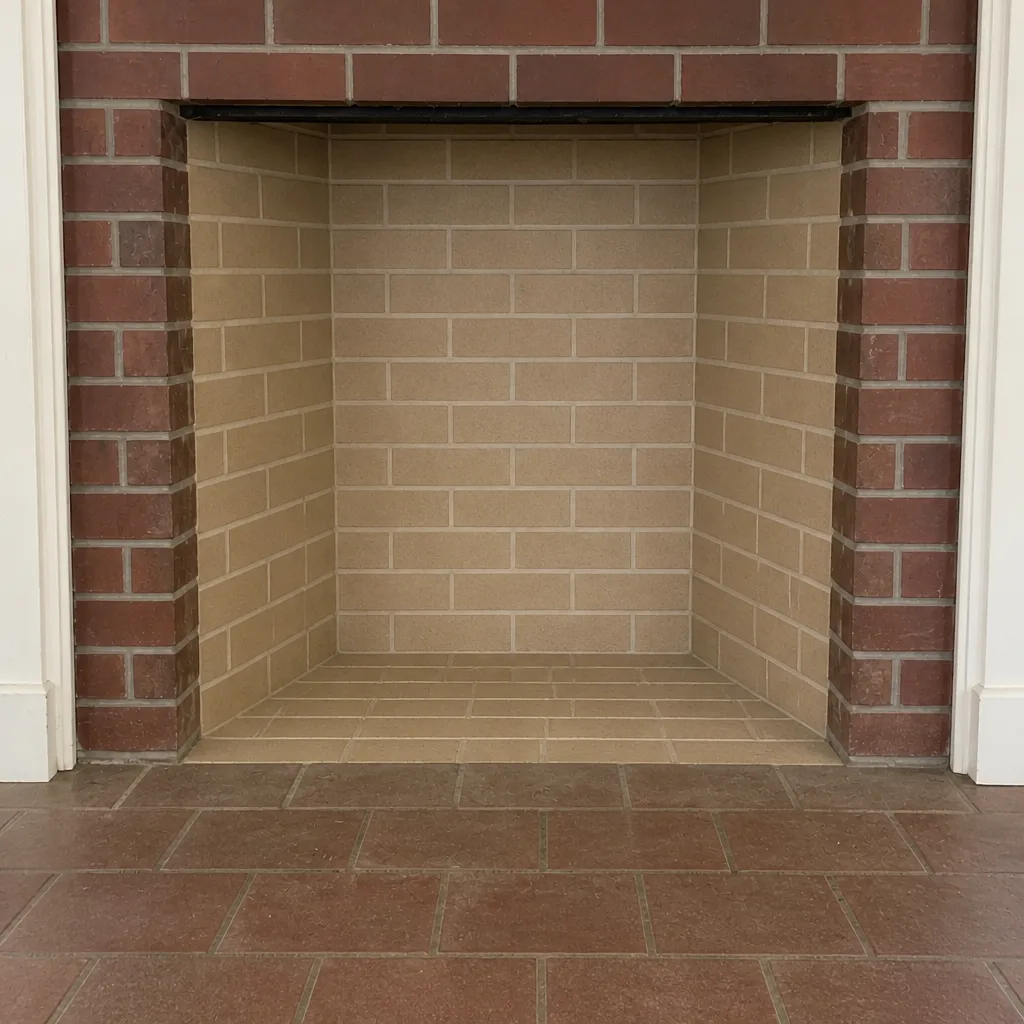
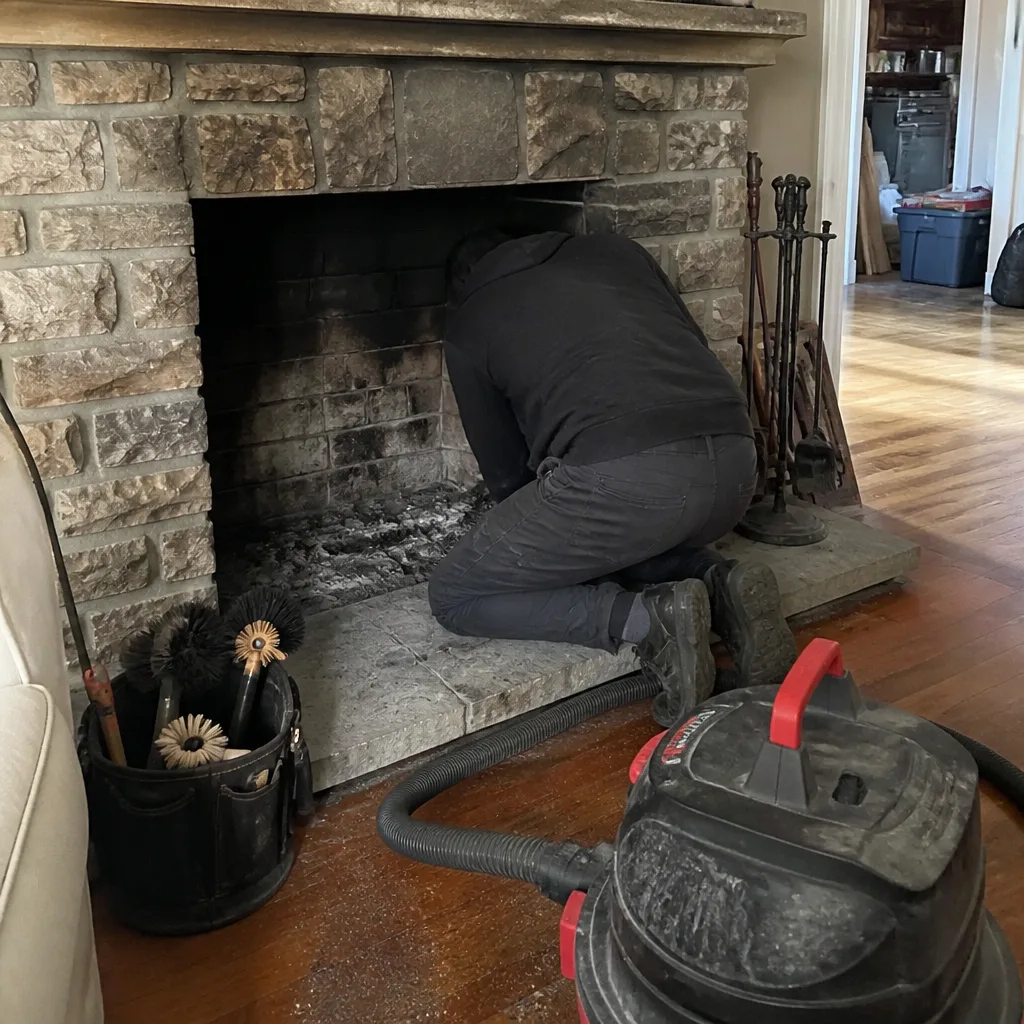
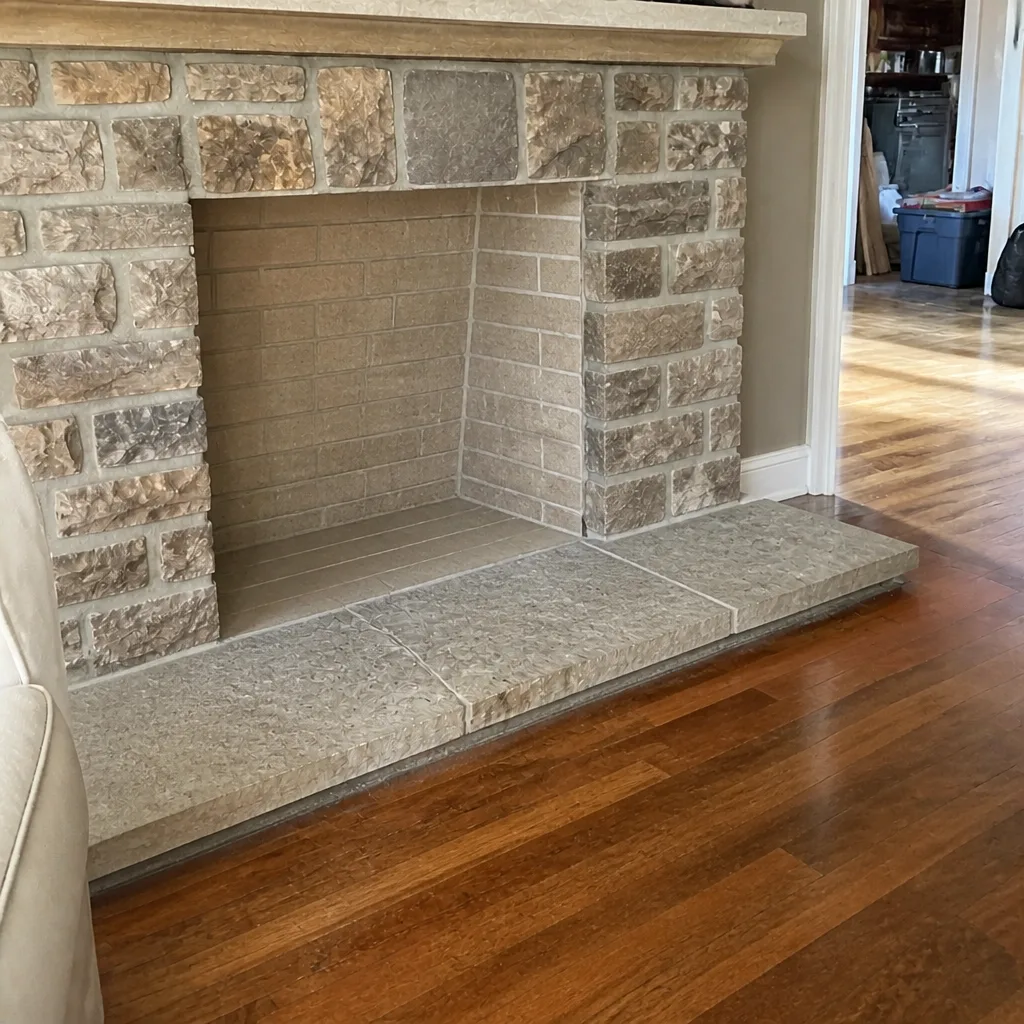
See the difference
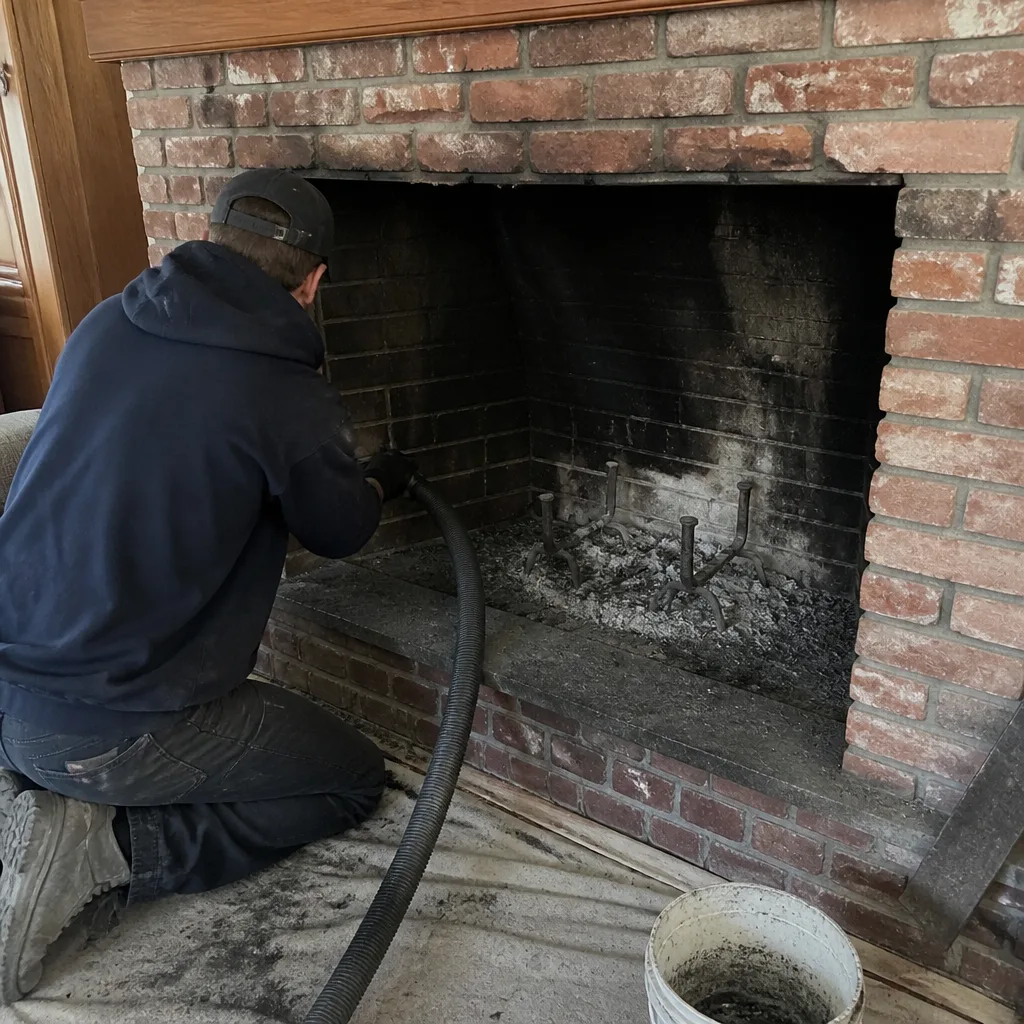 Before
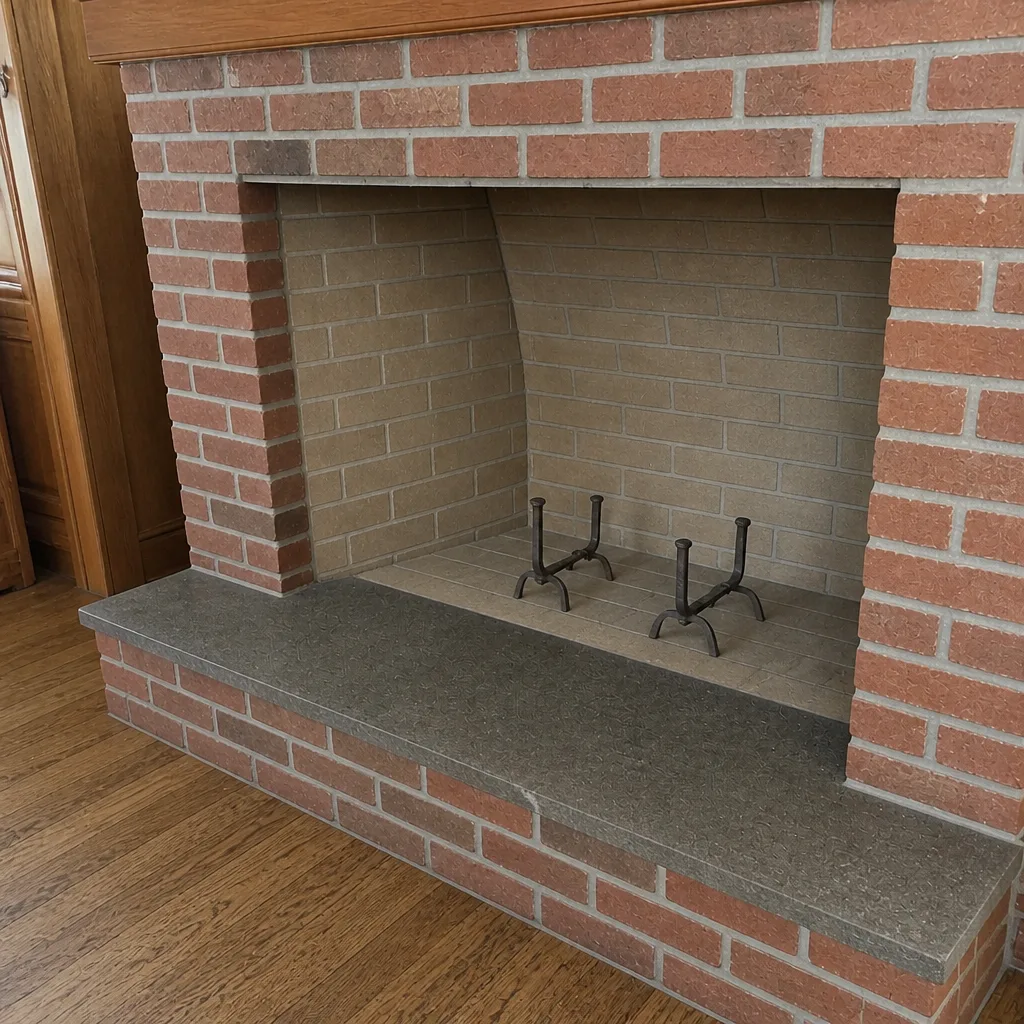 After
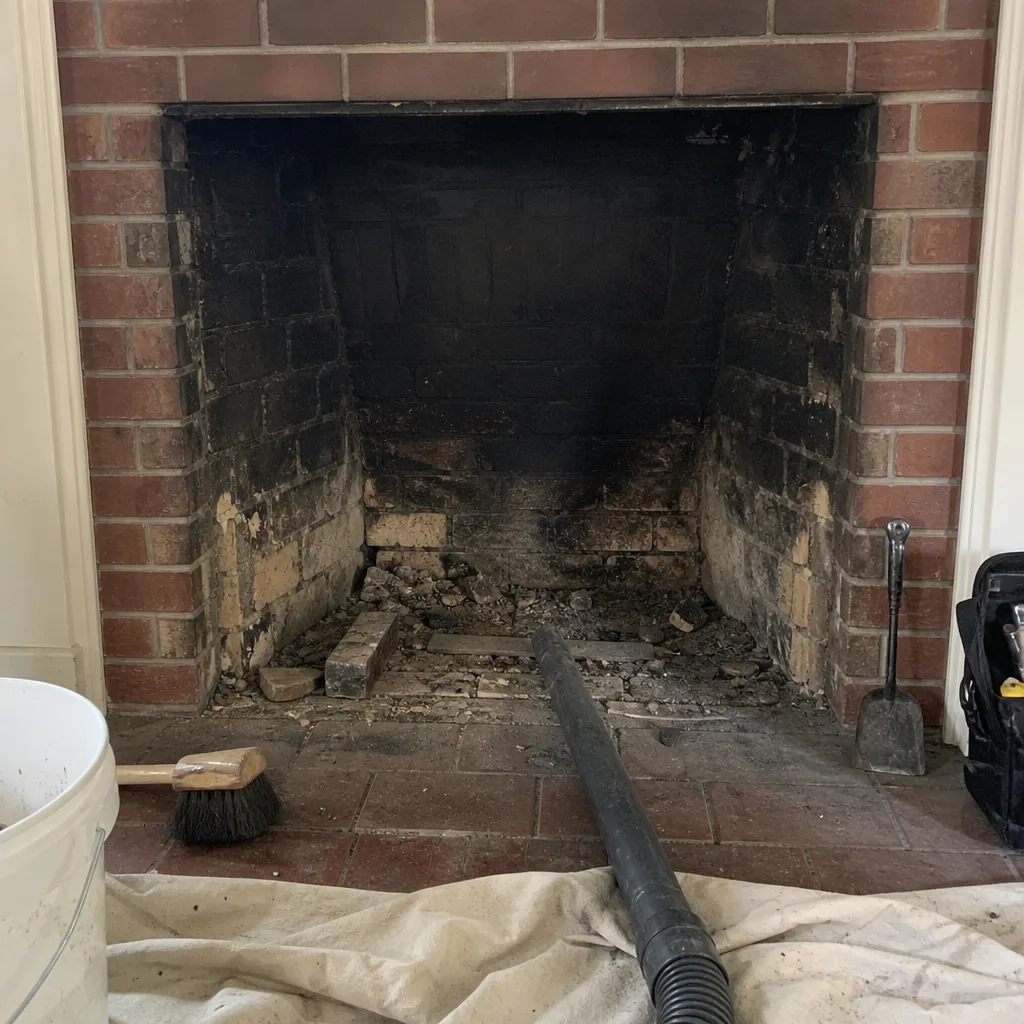 Before
 After
 Before
 After
When to Call a Professional
Book a professional visit when you find any of the following: a crack or gap in the flue tile, efflorescence on the brick, a widening crack in the firebox, glazed or puffy creosote on the smoke shelf or flue, smoke spilling into the room during a burn, a carbon monoxide alarm going off, obvious crown or flashing damage, or a cap that’s missing or broken. Book an annual sweep for any wood-burning or gas fireplace in active use, and make the inspection part of that visit, not an optional add-on. If you’re unsure whether a flagged item is serious, a free estimate is the easiest way to find out. Wakefield Chimney Sweep Pros offers free estimates in Wakefield. Call (855) 337-2076. We answer 24/7, with fast dispatch from 7am to 7pm, Sunday through Friday. Our technicians have up to 11 years of experience, and we work with professional-grade product lines including DuraFlex, HeatShield, Gelco, and Olympia Chimney.
Frequently Asked Questions
Once a year during active use is the standard for a wood-burning fireplace in Wakefield. If you burn many fires a season or burn a lot of softwood, you may need a mid-season sweep. For gas inserts, an annual inspection is still the rule even when a full sweep isn’t needed. Call (855) 337-2076 for an exact estimate.
The monthly checklist is deliberately built to be done by you, with a flashlight and no tools. It’s about spotting change, not fixing anything. Any flag from that list (a growing crack, efflorescence, glazed creosote) triggers a professional visit. Call (855) 337-2076 and we’ll help you decide which type of visit you need.
A failing crown lets water straight into the top of the chimney, which sets off a freeze-thaw cycle that cracks and spalls the brick below. Left alone, the water finds its way into the liner and eventually the framing. Crown repair from a dedicated maker like Gelco or Olympia Chimney stops the problem at the source. Call (855) 337-2076 for a written estimate.
Uniform, fine cracks that stay the same size are normal aging on firebrick and not an emergency. A crack that’s widening, or that has opened through the firebox floor, is a repair signal and should be inspected. If you’re unsure, a professional inspection is the honest way to tell the difference. Call (855) 337-2076 for a free estimate.
Many clay tile liners can be restored with HeatShield, a professional resurfacing system applied by a trained technician, rather than replaced. If the tile is too far gone to restore, a DuraFlex stainless liner is the usual replacement. Nothing is recommended without camera evidence you can see for yourself. Call (855) 337-2076.
Skipping the checklist usually means creosote buildup and unnoticed water damage, which together raise the risk of a chimney fire and carbon monoxide entering the home. It also means small repairs become structural ones. It’s cheaper to catch problems early than to fix them later. Call (855) 337-2076 to book an inspection.
The Bottom Line
A chimney maintenance checklist for a Wakefield home is really a decision tree. The monthly pass is yours to do, and it’s about spotting change. The pre-season and post-season passes should involve a professional sweep, a camera inspection, and a look at the crown and cap. The flagged items (gaps in the tile, efflorescence, widening firebox cracks, glazed creosote, a failed crown) escalate to a structural inspection and repair. Build the flue-use log, take monthly photos, and inspect first before you decide on any repair. That’s how a chimney in Wakefield’s older housing stock stays safe season after season. If you want a professional to walk the checklist with you, Wakefield Chimney Sweep Pros handles the whole loop from a single call: sweep, inspection, cap and crown, repair, and fireplace work, using professional-grade product lines like DuraFlex, HeatShield, Gelco, and Olympia Chimney. To see our full range, start with the Wakefield Chimney Sweep Pros homepage, then reach out for a free estimate. Call (855) 337-2076. We answer 24/7. Fast dispatch from 7am to 7pm, Sunday through Friday.
Written by the team at Wakefield Chimney Sweep Pros.